 MapUrbex
A clear urban exploration guide for beginners: legality, safety, planning, gear, and responsible urbex best practices.
Urban Exploration Guide: How to Start Urbex Responsibly
Urban exploration can be rewarding, but it is not casual sightseeing. A good urban exploration guide helps you understand risk, legality, preparation, and site preservation before you ever approach a location.
This guide explains how beginners can approach urbex responsibly. It focuses on safety, legality, research, and low-impact behavior, in line with MapUrbex's preservation-first approach and verified location standards.
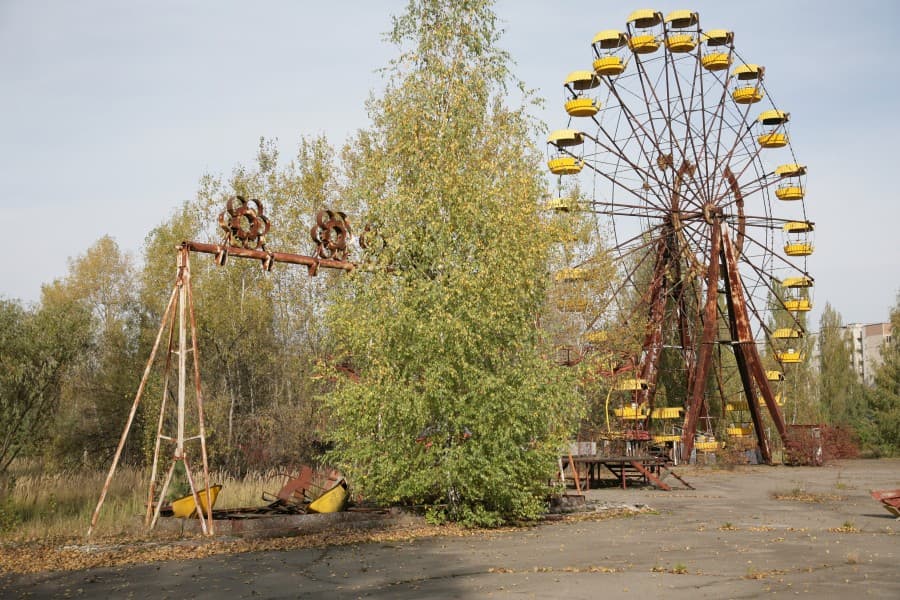
What is an urban exploration guide and how should beginners use one?
An urban exploration guide is a practical framework for visiting abandoned or disused places responsibly. For beginners, it should answer five questions clearly: is the location legal to access, is it safe enough to approach, what equipment is necessary, how should you plan the visit, and how do you leave the site exactly as you found it.
Quick summary
- Urbex means exploring disused or abandoned places, not forcing entry or ignoring property law.
- The best beginners' habit is research: ownership, access rules, structural condition, and local risks.
- Safety matters more than photos. If a site looks unstable, contaminated, or active, do not enter.
- Responsible urbex follows a preservation-first rule: take nothing, move nothing, damage nothing.
- Legal rules vary by country and property type, so check local law before any visit.
- Curated and verified maps reduce wasted time and help you plan with fewer unknowns.
Quick facts
- Primary keyword: urban exploration guide
- Topic: urbex basics for beginners
- Intent: informational
- Best for: first-time explorers, photographers, and trip planners
- Core principles: legality, safety, planning, preservation
- MapUrbex approach: verified locations, curated maps, responsible exploration
What should you know before your first urbex trip?
Before your first urbex trip, you should know that curiosity does not remove legal or physical risk. Abandoned does not mean public, safe, or permitted.
A beginner should treat every location as a risk assessment problem. The outside condition of a building tells only part of the story. Floors may be rotten, roofs may be unstable, and air quality may be poor even when the site looks calm.
You should also separate three different questions:
- Can you find the place?
- Can you legally access the place?
- Can you safely approach the place?
Those questions are not interchangeable. Many newcomers solve only the first one.
If you want a location overview before planning, you can Browse all urbex maps or use the free starting point below.
How do you assess legality before visiting a site?
You assess legality by checking ownership, access restrictions, signage, fencing, local trespass rules, and any site-specific regulations. If legal access is unclear, do not assume permission.
The simplest rule is this: urbex is not a legal exception to private property law. Many abandoned places are still owned, monitored, insured, or awaiting redevelopment.
Check for these signals before any visit:
- no-trespassing signs
- locked or secured access points
- active businesses nearby
- cameras, alarms, or security patrols
- local laws on trespass, rail property, military zones, or industrial hazards
For a detailed overview, read Is Urbex Legal? A Clear Guide to Urban Exploration Laws.
If you do not have permission and access is prohibited, the responsible decision is to leave.
What safety risks matter most in urbex?
The main urbex risks are structural failure, falls, hazardous materials, water, sharp debris, poor air, and unexpected human activity. These risks exist even in sites that look quiet or photogenic.
Beginners often underestimate routine hazards. A broken staircase is obvious. A weak floor, hidden shaft, or contaminated dust is not.
The table below summarizes the most common risk areas.
| Risk area | Why it matters | Safer response |
|---|---|---|
| Weak floors and stairs | Collapse can happen without warning | Do not test uncertain surfaces with full weight |
| Roofs and upper levels | Fall risk is high and rescue is difficult | Avoid exposed edges and unstable climbs |
| Hazardous dust or air | Mold, asbestos, and poor ventilation can harm you | Leave immediately if air quality feels unsafe |
| Water, pits, and shafts | Hidden depth and slippery surfaces increase injury risk | Use a light, move slowly, and avoid unknown footing |
| Debris and metal | Cuts and puncture wounds are common | Wear solid footwear and gloves when appropriate |
| Other people on site | Unpredictable encounters can escalate risk | Stay calm, do not argue, and leave if needed |
For a deeper checklist, see Urbex Safety Guide: How to Explore Abandoned Places Without Risk.
What gear is actually useful for urban exploration?
Useful urbex gear is simple, practical, and safety-focused. You do not need tactical-looking equipment. You need reliable basics that reduce avoidable mistakes.
A sensible beginner kit often includes:
- charged phone
- offline map or saved route
- flashlight with spare battery
- sturdy boots with grip
- weather-appropriate clothing
- water
- basic first-aid supplies
- identification, where appropriate
Optional gear depends on the location and conditions. Photography equipment can be useful, but it should never distract from situational awareness.
Avoid carrying tools that suggest forced entry. Responsible urbex does not involve breaking locks, cutting fences, or bypassing barriers.
How do you research and plan responsibly?
Responsible planning means learning as much as possible before you travel, then setting clear limits for the visit. Good planning prevents most beginner errors.
Start with the basics:
- confirm the location and route
- study recent reports, if available
- check weather, daylight, and local activity
- identify safe stopping points and exit routes
- tell a trusted person where you are going
- decide in advance when you will turn back
Map quality matters. Random coordinates from social media can be outdated, inaccurate, or intentionally misleading. Verified and curated resources are more useful because they reduce guesswork.
If you want to build a shortlist, start with Browse all urbex maps. If you want an easy entry point, use the CTA at the end of this guide.
How should you behave at the location?
You should behave quietly, cautiously, and with minimal impact. The correct standard is simple: leave the site as you found it, or better, leave no visible trace that you were there.
That means:
- do not force entry
- do not break, move, or take objects
- do not publish sensitive details that increase site damage
- do not disturb neighbors, workers, wildlife, or security staff
- do not treat the site as a playground
This is where urbex ethics matter. Preservation-first behavior protects locations from vandalism, theft, fire, and copycat traffic.
If your goal is discretion and respectful conduct, read How to Do Urbex Without Drawing Attention.
How can beginners document a site without causing damage?
Beginners can document a site well by keeping their process simple: observe first, shoot second, and never change the environment for a better image.
Good documentation practices include:
- stay on stable paths
- use available light when possible
- avoid dragging objects into frame
- do not open sealed areas for photos
- record context, not only dramatic details
- leave immediately if conditions become unsafe
A strong urbex photo or note set is valuable because it preserves memory and context. It is not valuable if it required damage, trespass escalation, or unnecessary risk.
Why do verified maps help with responsible urbex?
Verified maps help because they reduce uncertainty. A curated map cannot remove all risk, but it can improve trip planning, reduce false leads, and support a more deliberate approach.
MapUrbex focuses on verified locations, responsible urbex, and preservation-first discovery. That matters because beginners often waste time on bad coordinates, overexposed spots, or locations that are no longer relevant.
A better map does not replace judgment. It helps you make better judgments sooner.
FAQ
Is urbex legal if a building looks abandoned?
No. A neglected appearance does not create public access rights. You still need to consider ownership, posted restrictions, and local law.
What is the most important urbex safety rule?
The most important rule is to leave when conditions are unclear or unsafe. No photo or visit is worth structural collapse, toxic exposure, or confrontation.
Should beginners explore alone?
Beginners should generally avoid exploring alone. If something goes wrong, a second person can help, observe hazards, or call for assistance.
Do you need expensive gear for urban exploration?
No. Most beginners need practical basics, not expensive equipment. Good planning, lighting, footwear, and judgment matter more.
Should you share exact urbex locations publicly?
Not usually. Publicly broadcasting precise locations can increase vandalism, theft, and unsafe traffic. Responsible sharing protects places.
Conclusion
A useful urban exploration guide does not just tell you where to go. It teaches you how to think. The best urbex habits are legality checks, realistic safety assessment, careful planning, and respect for the site.
If you remember one principle, make it this: responsible urbex is preservation-first. If access is illegal, conditions are unsafe, or your presence would damage the location, do not proceed.
Access the free urbex map
