 MapUrbex
Discover 10 unusual urbex spot types, from stranded submarines to abandoned airplanes and forgotten basements, and learn how to find them responsibly with MapUrbex.
Unusual Urbex: 10 Abandoned Places You Would Never Guess Exist
Unusual urbex is not just about finding a building that is empty. It is about finding places that feel improbable: a stranded submarine, an abandoned airplane, forgotten basements, hidden platforms, or industrial spaces that look unreal.
That is exactly why this niche attracts so much attention. The best unusual abandoned places combine visual shock, historical interest, and rarity. They are memorable because they break the usual image of a warehouse, school, or factory.
MapUrbex approaches this category carefully. Rare places often come with higher legal limits, tighter security, or serious hazards. Responsible research matters more here than anywhere else.
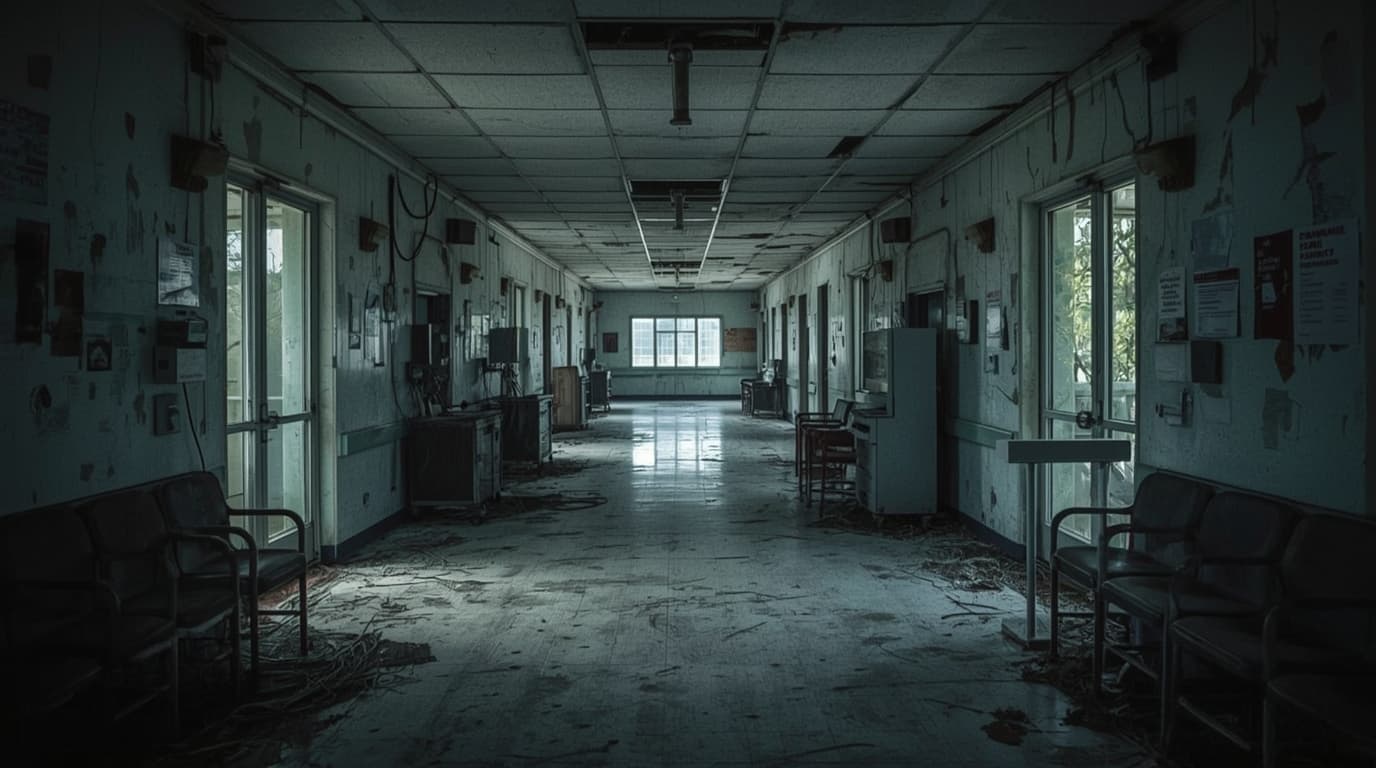
What counts as unusual urbex?
Unusual urbex means abandoned places that stand out because of their form, setting, or story. A stranded submarine, an abandoned airplane, and forgotten underground spaces all fit because they are rare, visually distinctive, and often harder to document than standard industrial ruins. In practice, unusual urbex is defined by rarity plus context, not just decay.
Quick summary
- Unusual urbex focuses on rare and visually unexpected abandoned places.
- The most searched examples include stranded submarines, abandoned airplanes, and forgotten basements.
- Many atypical urbex locations are harder to access legally and more dangerous physically.
- Underground and maritime sites usually carry the highest safety risk.
- Verified research is more useful than random social media posts when looking for these places.
- MapUrbex is built around responsible urbex, preservation-first behavior, and curated maps.
Quick facts
| Type of place | Why it feels unusual | Main risk | Best approach |
|---|---|---|---|
| Stranded submarine | Extremely rare object in an unexpected setting | Restricted zones, contamination, sharp metal | Research ownership and view legally if possible |
| Abandoned airplane | Strong visual impact and aviation history | Private property, unstable interiors | Prioritize legal exterior access or organized permission |
| Forgotten basements | Hidden below ordinary streets or buildings | Flooding, low oxygen, falls | Treat as high-risk and avoid unauthorized entry |
| Abandoned tunnel station | Urban mystery and transport history | Rail danger, surveillance, unsafe footing | Use public history sources and legal access only |
| Sea fort or offshore structure | Isolation and military atmosphere | Tides, weather, structural collapse | Consider remote viewing rather than direct exploration |
Which 10 unusual abandoned places belong on this list?
The best unusual urbex list mixes rarity, atmosphere, and recognizability. These ten categories are the ones people search for most often because they feel almost impossible to find in real life.
-
Stranded submarines A beached or decommissioned submarine is one of the clearest examples of unusual urbex. It combines military history, scale, and total visual surprise.
-
Abandoned airplanes A grounded aircraft in a field, hangar, or training site creates instant contrast. Few abandoned objects look as cinematic as a plane that will never fly again.
-
Forgotten basements These are among the most intriguing hidden spaces because they can exist below ordinary streets, hospitals, hotels, or civic buildings. Their appeal comes from secrecy rather than size.
-
Disused underground reservoirs Old water chambers and cisterns often feel monumental. Their repetition, reflections, and acoustics make them some of the most visually distinctive underground sites.
-
Abandoned metro platforms Disused stations and sealed platforms fascinate people because they sit next to active city life while remaining invisible to most residents.
-
Derelict sea forts Offshore forts and coastal defense structures feel detached from normal geography. They are unusual because they combine abandonment with exposure to water and weather.
-
Radar domes and listening stations These sites stand out for their shapes. Large spheres, antennas, and military infrastructure turn them into some of the most recognizable atypical urbex locations.
-
Cooling towers and giant industrial shells Massive power infrastructure can feel surreal when empty. The scale alone makes these sites unusual, even when the architecture is simple.
-
Abandoned observatories An empty observatory carries both scientific history and strong visual identity. Even small ones feel special because the purpose of the building is so specific.
-
Closed amusement attractions An abandoned ride, funhouse, or themed attraction is memorable because it was designed for excitement. Once closed, that same design often feels uncanny.
Why do stranded submarines and abandoned airplanes attract so much attention?
Stranded submarines and abandoned airplanes attract attention because they are both rare and immediately legible. Anyone can recognize them in one second, and that instant recognition makes the image powerful.
They also represent machines built for movement that are now permanently still. That contrast is why a submarine on land or a plane left to decay becomes so memorable in photos, videos, and search results.
From a responsible urbex perspective, these are often poor beginner targets. They may sit on military, industrial, airport, or private land. Some are monitored, fenced, contaminated, or structurally unsafe. In many cases, legal exterior viewpoints or archival research are the best options.
How should you approach forgotten basements and underground sites responsibly?
Forgotten basements and other underground spaces should be treated as high-risk locations. They can flood suddenly, contain low oxygen, hide open drops, or trap dust, mold, and asbestos in concentrated areas.
That is why responsible urbex starts with legality and hazard research, not curiosity alone. If access is not clearly authorized, do not force entry and do not improvise. Underground sites leave less margin for error than surface ruins.
A practical starting point is to learn better research habits before planning any visit. Read How to Use Google Maps to Find Abandoned Places Responsibly if you want a safer way to screen places before you travel.
How can you find unusual urbex locations without guessing?
The most reliable way to find unusual urbex locations is to use curated sources instead of chasing vague social posts. Rare places generate rumors, reposted coordinates, and outdated information faster than ordinary abandoned buildings.
MapUrbex is designed for that problem. The platform focuses on verified locations, responsible exploration, and preservation-first context. That means less time guessing and more time checking whether a place is real, current, and worth your effort.
If you want to compare tools first, read Top 5 Best Urbex Maps in 2026: Which One Is Actually Worth Using?. If you are ready to search directly, you can Browse all urbex maps.
Why does responsible urbex matter even more for atypical places?
Responsible urbex matters more for atypical places because rare sites are easier to damage and harder to replace. A forgotten basement under a historic building or a decaying aircraft fuselage can deteriorate quickly after only a few irresponsible visits.
The basic rules remain simple: no trespassing, no forced entry, no theft, no vandalism, and no location sharing that increases harm. Preservation-first behavior is not a slogan here. It is the only reason some unusual places remain documentable at all.
FAQ
Is unusual urbex always harder to access?
Not always, but it is usually harder to access legally and safely. The rarer the site, the more likely it is to be restricted, hidden, or structurally compromised.
Are abandoned submarines or airplanes good beginner sites?
Usually no. They are visually famous, but they often involve stricter ownership issues, surveillance, contamination, or unstable metal structures.
What makes a place atypical instead of simply abandoned?
Atypical urbex locations are defined by rarity, setting, or purpose. A hospital may be abandoned, but a submarine, radar dome, or underground reservoir feels atypical because it is less common and more visually distinctive.
Can you find unusual abandoned places with Google Maps alone?
Google Maps can help with research, but it is not enough on its own. Satellite images rarely confirm legal status, current closure, or on-site hazards.
Should you share the exact location of a rare site publicly?
Usually no. Publicly exposing a fragile site can increase trespassing, vandalism, and theft. Responsible communities protect sensitive locations.
Conclusion
Unusual urbex is compelling because it shows abandonment in forms most people never expect. A stranded submarine, an abandoned airplane, or forgotten basements create a stronger sense of discovery than standard ruins because they feel rare before you even arrive.
The same rarity is also why careful research matters. If you want unusual abandoned places that are worth your time, use verified information, respect access rules, and choose preservation over impulse.
Access the free urbex map
