 MapUrbex
Discover the top 50 abandoned places in France in 2026, organized by type and region, with a preservation-first approach and a verified urbex map.
Top 50 Abandoned Places in France in 2026: Verified Urbex Guide and Map
Abandoned places in France attract castle lovers, industrial history fans, photographers, and experienced urbex explorers. But a useful guide in 2026 should do more than list names. It should help readers understand what kinds of sites exist, where the strongest regions are, and how to explore responsibly.
This article gives a practical top 50 framework for abandoned places in France without publishing sensitive access details. That approach fits MapUrbex: verified locations, curated maps, and preservation-first exploration.
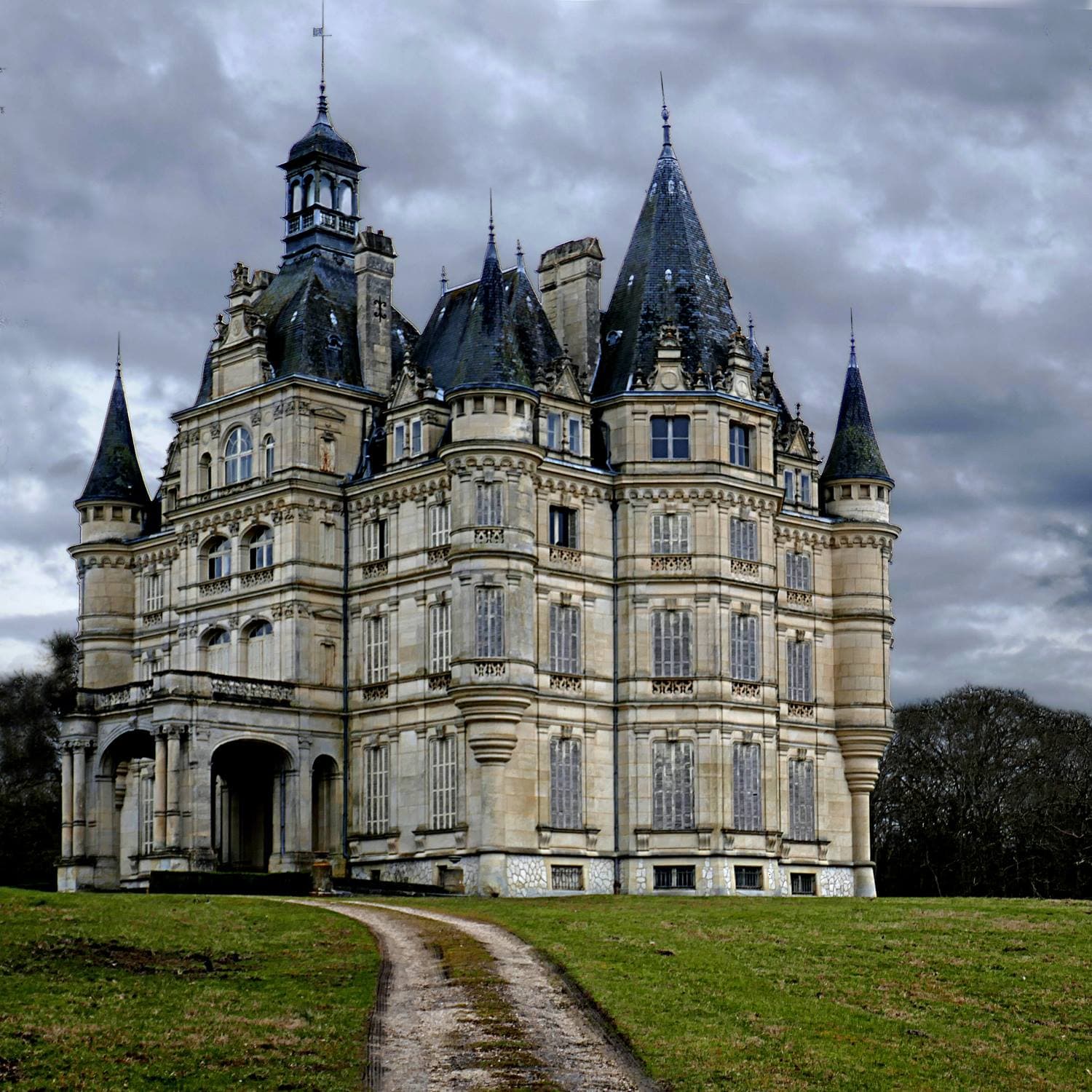
What are the best abandoned places in France in 2026?
The best abandoned places in France in 2026 are usually found in five groups: castles and manor houses, industrial sites, medical or institutional buildings, transport or military infrastructure, and abandoned villas or hotels. The most useful top 50 is not a public dump of sensitive addresses. It is a verified, region-aware selection that helps people identify the right type of site and assess legal and safety constraints first.
Quick summary
- France offers one of the widest varieties of urbex sites in Europe, from châteaux to factories and bunkers.
- A good top 50 list should classify sites by type and region, not expose fragile access points.
- The strongest search demand centers on castles, industrial ruins, hospitals, villas, and transport sites.
- A curated Browse all urbex maps workflow is more useful than scattered forum posts.
- Legal status matters: start with Is Urbex Legal in France in 2026? before planning any trip.
- Preservation-first exploration means no forced entry, no vandalism, and no public sharing of vulnerable details.
Quick facts
| Item | Details |
|---|---|
| Country scope | France |
| Year covered | 2026 |
| Search intent | Transactional |
| Best use | Finding a verified urbex map and narrowing down site types |
| Main categories | Castles, industry, hospitals, transport, villas and leisure sites |
| Safety baseline | No trespassing, no forced entry, no solo risk-taking |
Why is a verified map better than a public address dump?
A verified map is better because it helps filter abandoned places in France by relevance, region, and condition without turning fragile sites into easy targets. Public address dumps age badly, spread false information, and often accelerate vandalism or closure.
MapUrbex focuses on curated data rather than reckless exposure. If you want a broader overview, start with Browse all urbex maps. If you are comparing options, Top 5 Best Urbex Maps in France in 2026 gives useful context. For legal background, see Is Urbex Legal in France in 2026? Law, Risks and Official Texts.
Which abandoned castles and manor houses belong in a top 50 of France?
Castles and manor houses belong in any top 50 because they combine visual impact, regional history, and strong search demand. In France, they are especially sought after in the Loire Valley, Normandy, Burgundy, Brittany, Provence, and old estate regions.
- Loire Valley château estate — Large rooms, staircases, and formal grounds make this the classic French urbex image.
- Normandy seaside manor — Coastal weathering, sea views, and Belle Époque architecture create strong photographic appeal.
- Burgundy hunting lodge — Smaller than a château but often rich in woodwork, outbuildings, and parkland.
- Champagne family château — Typical targets include shuttered residences with chapels, stables, or service wings.
- Provence hilltop bastide — Dry southern light and isolated settings make these sites visually distinctive.
- Gascony manor house — Often mixed with farm structures, courtyards, and partially collapsed wings.
- Brittany fortified residence — Granite walls, towers, and weather exposure give these sites a different atmosphere from central France.
- Île-de-France petit château — Frequently searched because they sit near dense population centers.
- Occitanie monastic estate — Former religious properties with residential wings, gardens, or cloisters remain highly requested.
- Auvergne mountain manor — Remote settings and harsh winters make these locations impressive but more risk-sensitive.
Which industrial abandoned places are most searched in France?
Industrial abandoned places are among the most searched because they are numerous, regionally diverse, and historically legible. France urbex searches often focus on factories, depots, mills, and warehouses linked to textiles, steel, chemicals, mining, and river transport.
- Northern textile mill — The north remains one of the strongest zones for large-scale industrial ruins.
- Lorraine steel workshop — Heavy industry sites stand out for scale, machinery halls, and labor history.
- Saint-Étienne machinery plant — Central-eastern France offers classic workshops and production buildings.
- Lyon outskirts chemical warehouse — Large shells and service blocks are common, but contamination risk can be serious.
- Marseille dockside warehouse — Port-related structures are visually strong but often legally sensitive.
- Bordeaux wine warehouse — Storage halls and old trade buildings appeal to architecture-focused visitors.
- Alsace brewery complex — Brewing infrastructure adds tanks, cellars, and branded industrial heritage.
- Jura paper mill — Water-linked ruins often combine mills, channels, and worker housing.
- Alpine hydro-industrial site — Turbine buildings and mountain infrastructure create unusual exploration profiles.
- Limousin ceramics factory — Medium-sized regional industry often survives in fragmented but photogenic condition.
Which hospitals, religious sites, and institutions stand out in France?
Medical and institutional sites stand out because they are emotionally charged, architecturally varied, and often central to local memory. They also require extra caution because structural decay, sensitive history, and legal restrictions are common.
- Mountain sanatorium — High-altitude medical sites are among the most iconic abandoned places in France.
- Psychiatric hospital pavilion — Pavilion systems create large campuses but often involve serious hazards.
- Seaside convalescent clinic — Coastal care buildings are widely searched for their location and faded interiors.
- Abandoned maternity clinic — Smaller healthcare sites are common in suburban or secondary urban areas.
- Rural orphanage — Institutional layouts and long closures make these places frequent map requests.
- Monastic boarding school — Former education sites mix classrooms, dormitories, and chapels.
- Abandoned seminary — Large religious education compounds often have strong heritage value.
- Convent and chapel complex — These sites interest both architecture and history audiences.
- Municipal bathhouse — Former public hygiene buildings are rarer but often visually memorable.
- Retirement home on the edge of town — Modern abandonment can be less spectacular, but highly relevant in map searches.
Which transport, military, and infrastructure sites complete the list?
Transport and military sites complete the list because they diversify the map beyond mansions and hospitals. They are especially important for users searching a carte urbex France by network logic: rail lines, coastlines, defense belts, quarries, and canals.
- Disused railway station — Small and medium stations remain among the easiest site types to identify historically.
- Freight depot — Warehouses, loading platforms, and service yards create broad industrial-transport ensembles.
- Roundhouse and locomotive shed — Rail fans consistently rank these among the best abandoned places in France.
- Disused tunnel entrance — Photogenic, but also one of the highest-risk categories.
- Canal lock keeper house cluster — Waterway heritage creates quieter but historically rich exploration targets.
- Coastal artillery battery — Atlantic and Mediterranean defense remnants are major draws.
- Cold War bunker — Later military layers are less decorative but highly searched.
- Abandoned barracks — Large compounds can include dormitories, mess halls, and training spaces.
- Radar or observation post — Strategic hilltops or coastlines often host these exposed structures.
- Quarry conveyor infrastructure — Conveyors, crushers, and extraction pits add a different industrial landscape.
Which villas, hotels, schools, and leisure sites round out the top 50?
Villas, hotels, schools, and leisure sites round out the top 50 because they are easier for users to imagine, compare, and photograph. They also cover many of the abandoned places in France that attract first-time map searches.
- Belle Époque hotel — Grand façades and reception spaces remain highly popular.
- Mountain resort chalet — Former tourism infrastructure gives strong seasonal atmosphere.
- Spa casino building — Thermal towns often contain neglected prestige architecture.
- Holiday camp — Dormitory blocks and shared facilities create large but repetitive compounds.
- Lakeside villa — Smaller residential sites often survive with good exterior composition.
- Suburban mansion — Frequently searched because they sit near major metropolitan areas.
- Disused cinema or theater — Stages, seats, and projection rooms create memorable interiors.
- Abandoned school — Classrooms and gymnasiums remain staple entries in any urbex France search.
- Empty farmhouse estate — Agricultural abandonment is widespread and often overlooked.
- Amusement park or fairground structure — Less common, but highly visible in search behavior.
How should you prepare for urbex in France responsibly in 2026?
Responsible preparation starts with legality, site status, and risk review. The correct approach is to verify location data, avoid trespassing, respect closures, and never force access.
Use this checklist before any outing:
- Read the legal overview in Is Urbex Legal in France in 2026?.
- Prefer curated sources over random forums and screenshots.
- Check whether the site is on private property or under active redevelopment.
- Do not climb unstable floors, roofs, shafts, or waterlogged basements.
- Go with another adult, carry lighting, and keep an exit plan.
- Do not remove objects, break barriers, or publish vulnerable entry details.
FAQ
Is urbex legal in France in 2026?
Urbex itself is not a simple yes-or-no category under French law. The main issues are trespassing, private property, safety, and potential damage. That is why legal context matters more than aesthetics. Start with Is Urbex Legal in France in 2026? Law, Risks and Official Texts.
Why does this article avoid publishing sensitive addresses?
It avoids sensitive addresses because open publication can lead to theft, vandalism, dangerous visits, and rapid site closure. A preservation-first map is more responsible and more useful over time.
What is the best urbex map France users can start with?
The best starting point is a curated map that filters by region and site type instead of a raw address list. That reduces noise and helps users compare abandoned places in France more efficiently.
Are abandoned places in France safe to enter?
Many are not. Common risks include rotten floors, asbestos, chemical residues, open shafts, broken glass, and unstable stairs. A visually quiet site can still be structurally unsafe.
How do you choose the best abandoned places in France?
Choose by objective: architecture, scale, history, accessibility of the surrounding area, and legal clarity. Castle seekers, industrial photographers, and rail-history enthusiasts do not need the same map filters.
Conclusion
A useful guide to the top 50 abandoned places in France in 2026 should help readers sort the landscape, not expose fragile sites. France stands out for the depth of its castles, industrial ruins, institutions, rail sites, villas, and leisure buildings. But the smartest way to explore them is with verified data, legal awareness, and a preservation-first mindset.
Access the free urbex map
