 MapUrbex
A practical guide to the best-known abandoned places in Fukushima, from evacuated town centers to tsunami ruins, with legal access and safety context.
Top 10 Abandoned Places in Fukushima
Fukushima is one of the most searched places in Japan for abandoned landscapes, but it is not a typical urbex destination. The best-known sites are tied to the 2011 earthquake, tsunami, and nuclear disaster, so they carry historical and legal context that matters as much as the visuals.
Most searches for abandoned places in Fukushima actually refer to the wider Fukushima Prefecture and the former evacuation zone, not only central Fukushima City. For MapUrbex, that distinction matters because verified access, safety, and preservation always come before photography.
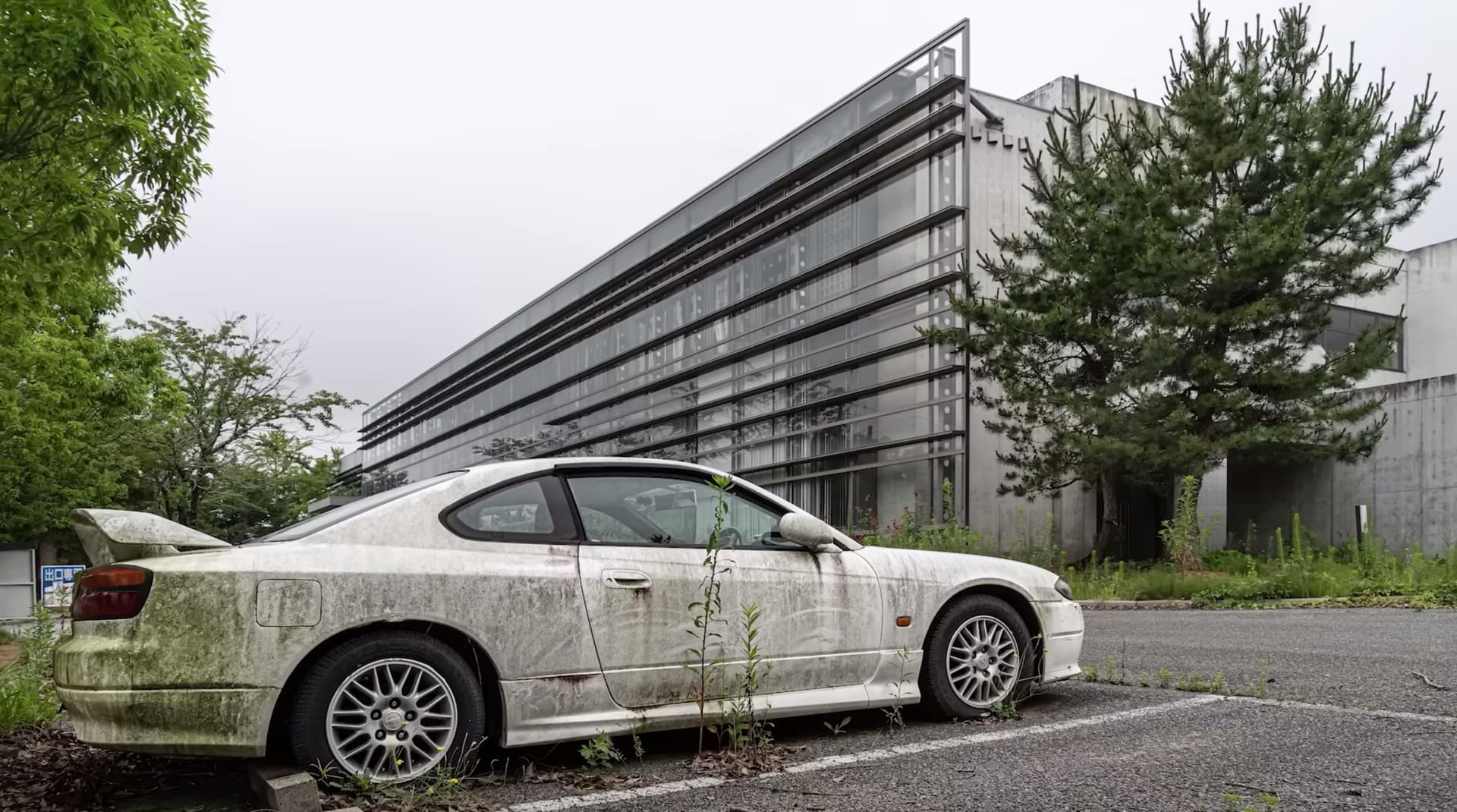
Where are the most notable abandoned places in Fukushima?
The most notable abandoned places in Fukushima are the evacuated town centers, schools, roadside businesses, and coastal ruins in and around Namie, Futaba, Okuma, Tomioka, and nearby districts affected by the Fukushima Daiichi disaster. Many of these places are not open-access urbex sites, so the responsible approach is to use legal public routes, memorial spaces, and verified research.
Quick summary
- Fukushima's best-known abandoned places are concentrated in the former evacuation zone rather than in central Fukushima City.
- The most significant sites include Namie, Futaba, Okuma, Tomioka, Yonomori, and tsunami-damaged coastal districts.
- Many abandoned buildings in Fukushima remain restricted, monitored, or only viewable from public roads.
- Some locations, such as Ukedo Elementary School, are preserved as disaster heritage rather than treated as free-entry ruins.
- Responsible urbex in Fukushima means no trespassing, no barrier crossing, and no entry into unsafe structures.
- For broader research, you can Browse all urbex maps and compare verified areas before planning.
What are the quick facts about abandoned places in Fukushima?
- Location: Fukushima Prefecture, Japan, especially the former evacuation corridor northeast of Fukushima City.
- Type of sites: Evacuated town centers, homes, schools, shops, stations, and roadside facilities.
- Historical context: The 2011 Tohoku earthquake, tsunami, and Fukushima Daiichi nuclear disaster.
- Typical condition: Partially reopened districts mixed with vacant streets, sealed buildings, and memorial ruins.
- Access situation: Rules vary by municipality, road, and property status.
- Safety reminder: Never enter restricted areas, damaged buildings, or private property without authorization.
Access the free urbex map
Which Fukushima areas matter most for abandoned-place exploration?
The key Fukushima urbex areas are the municipalities shaped by evacuation, partial reopening, and disaster preservation. In practice, that means places like Namie, Futaba, Okuma, Tomioka, Odaka, and Iitate, where the landscape still shows the long-term effects of displacement.
If you want a repeatable method for researching legal locations, read How to Find Real Abandoned Places Near You in 2026 (Without Wasting Time). It is especially useful in Japan, where access rules and municipal boundaries can change faster than old forum posts.
| Area | What makes it notable | Access context |
|---|---|---|
| Namie | Large evacuated center, shops, houses, civic buildings | Mixed reopening; many areas require careful legal verification |
| Futaba | Strong ghost-town atmosphere near the station area | Sensitive area with strict property limits |
| Okuma | Residential and commercial streets near the former exclusion zone | Partial reopening, not free-entry urbex |
| Tomioka | Station district, shopping streets, coastal damage legacy | Some public access, building entry still restricted |
| Yonomori | Residential streets and famous cherry avenue in an evacuated district | Primarily public-road viewing |
| Iitate | Rural homes, farms, and scattered vacant hamlets | Wide area, access varies by property and route |
What are the top 10 abandoned places in Fukushima?
These ten places stand out because they are visually distinctive, historically important, or frequently cited in discussions about Fukushima urbex. They are best understood as disaster-affected urban landscapes, not as invitation-only ruins to enter freely.
1. Namie town center
Namie town center is one of the clearest examples of a Fukushima ghost-town landscape. Streets, shopfronts, homes, and civic buildings remained frozen for years after the evacuation order, making Namie central to almost every discussion of abandoned places in Fukushima.
Today, Namie is not a uniform ruin. Some parts have reopened, while others still show vacancy, decay, and disaster-era absence. For responsible exploration, stick to legal roads and updated municipal guidance rather than outdated urbex coordinates.
2. Ukedo district in Namie
The Ukedo district is one of the most haunting coastal areas in Fukushima because it combines tsunami destruction with evacuation history. The atmosphere is less about one abandoned building and more about an erased neighborhood landscape.
This area matters because it shows how coastal abandonment differs from inland vacancy. Instead of intact streets of empty houses, you often see open lots, remnants, rebuilt infrastructure, and a strong sense of loss tied to the sea.
3. Tsushima district of Namie
Tsushima is one of the most emblematic inland evacuation districts in Fukushima. It became known for houses, shops, and roadside buildings left behind in a wooded, rural setting far from the coast.
For photographers and researchers, Tsushima represents the quieter side of Fukushima abandonment. The visual story is not tsunami damage but long-term displacement, overgrowth, and the slow aging of homes and everyday structures in a depopulated landscape.
4. Futaba station area
The Futaba station area is among the best-known abandoned urban scenes in Fukushima. Around the station, empty commercial buildings, quiet streets, and halted routines created one of the strongest images of post-evacuation Japan.
Futaba is also a reminder that these are not neutral ruins. The area is closely tied to the nuclear disaster, public recovery efforts, and changing municipal access rules. That makes legal status more important here than in many ordinary urbex destinations.
5. Okuma town center
Okuma town center is notable because it sits so close to the history of the Fukushima Daiichi accident. Vacant residences, businesses, and public buildings gave the area a stark and highly documented abandoned character.
As with Futaba, Okuma is best approached as a regulated post-disaster landscape. Some areas have changed significantly in recent years, so anyone researching abandoned buildings in Fukushima should verify current conditions instead of relying on pre-reopening photos.
6. Yonomori district
Yonomori is one of the most recognizable districts in the Fukushima evacuation zone. It is known for residential streets, empty structures, and the contrast between ordinary suburban life and long-term absence.
The district is especially striking because it looks familiar rather than spectacular. In urbex terms, that makes it powerful: the abandonment is visible in homes, storefronts, and neighborhood details instead of in oversized industrial ruins.
7. Tomioka station and shopping streets
Tomioka combines transport infrastructure, retail streets, and nearby coastal disaster memory in one of Fukushima's most documented townscapes. The station area and surrounding commercial streets became widely known for shuttered businesses and silent public space.
Tomioka has seen reopening and reconstruction, so it should not be described as fully abandoned today. Still, it remains one of the most important reference points for anyone studying Fukushima urbex or broader abandoned places in Japan.
8. Ukedo Elementary School
Ukedo Elementary School is not a classic urbex site, but it is one of the most important abandoned-looking places in Fukushima. The tsunami-damaged school has been preserved as a disaster memorial, which gives it exceptional documentary value.
That distinction matters. It is a site for remembrance and public history, not a place for reckless exploration. For many visitors, it is the most ethical and informative way to understand Fukushima's built aftermath without crossing legal or safety boundaries.
9. Odaka's old shopping streets
Odaka, in Minamisoma, is better described as partially emptied than fully abandoned, but its older commercial streets still belong in this list. Some storefronts remained shut for long periods after evacuation, creating a layered landscape of return, vacancy, and slow recovery.
Odaka is useful for understanding that Fukushima abandonment exists on a spectrum. Not every place is a sealed ghost town. In some districts, reopened life and empty buildings stand side by side, which is historically important and visually distinctive.
10. Iitate's evacuated hamlets
Iitate is one of the most significant rural abandonment landscapes in Fukushima. Farmhouses, sheds, local roads, and scattered settlements show how the disaster affected inland villages that were not destroyed by the tsunami but were still deeply altered by contamination and evacuation.
For people researching abandoned places in Fukushima, Iitate adds a crucial rural dimension. It shows that Fukushima urbex is not only about town centers near the plant. It is also about long-term vacancy across fields, hills, and everyday village infrastructure.
Is Fukushima safe and legal for urbex?
Fukushima is not a place where you should improvise entry. Many locations are private property, some areas remain regulated, and damaged structures can still present physical and environmental risks even where evacuation orders have changed.
The responsible rule is simple: do not cross barriers, do not force entry, and do not treat disaster sites as playgrounds. Use public viewpoints, official memorials, updated municipal information, and verified mapping resources. If you are building your broader Japan research list, start with Browse all urbex maps and compare places that are easier to access lawfully.
Safety reminder: responsible urbex in Fukushima means preservation first, legal access only, and zero tolerance for trespassing.
FAQ
Is Fukushima City itself full of abandoned places?
No. Most people searching for abandoned places in Fukushima actually mean the wider prefecture and the former evacuation zone. Central Fukushima City is an active urban area, not a large ghost city.
Can you legally enter abandoned buildings in Fukushima?
Usually not without permission. Many structures are private property, sealed, unsafe, or located in sensitive post-disaster areas. The safest approach is external observation from public space or visits to official memorial sites.
What is the most famous abandoned place in Fukushima?
Namie is one of the most famous names because its town center became a widely recognized symbol of evacuation. Futaba, Okuma, Tomioka, and Ukedo are also major reference points.
Why is Fukushima different from typical urbex spots?
Fukushima is different because many sites are tied to disaster history, evacuation, and recovery rather than industrial decline alone. That gives the area legal, ethical, and memorial dimensions that standard urbex guides often miss.
Are Fukushima sites still changing?
Yes. Reopening, demolition, reconstruction, and memorial preservation continue to change the landscape. That is why current verification matters more than old coordinates or decade-old photo reports.
Conclusion
The most important abandoned places in Fukushima are not just photogenic ruins. They are evacuated streets, damaged schools, and half-empty districts that document one of the defining disasters of modern Japan.
For that reason, the best Fukushima urbex approach is careful, verified, and preservation-first. Use public access, respect restrictions, and build your route from reliable sources rather than rumor.
Browse all urbex maps
