 MapUrbex
A visual guide to the most beautiful abandoned castles in France, with key facts, legal context, and a responsible urbex approach.
The Most Beautiful Abandoned Castles in France: 5 Ruined Chateaux Worth Knowing
France has no shortage of castles, but only a small number of abandoned or ruined chateau sites combine strong visual appeal, historical depth, and real recognition among heritage fans. That is why the best examples keep appearing in articles, photo essays, and urbex discussions.
This selection focuses on five French castle sites that stand out for their atmosphere, architecture, and historical visibility. It is not a guide to illegal entry. It is a reference article for readers looking for documented places, legal context, and a preservation-first approach.
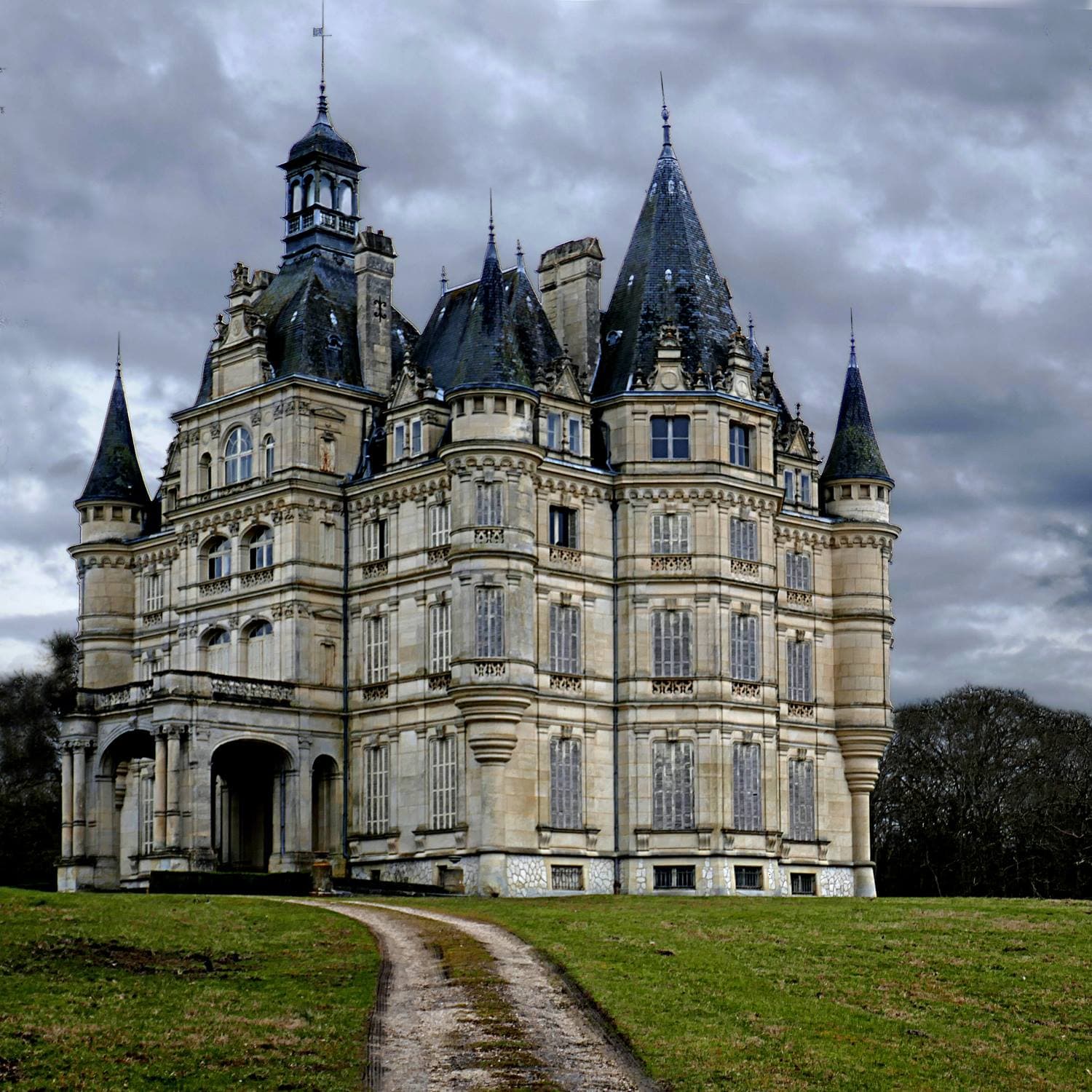
Which abandoned castles in France are the most beautiful?
The most beautiful abandoned castle sites in France are generally considered Château de la Mothe-Chandeniers, Château de la Ferté-Vidame, Château de Machecoul, Château de Domeyrat, and Château de Lagarde. Together, they represent the main images people associate with castle exploration in France: ivy-covered ruins, monumental shells, medieval remains, and romantic decay.
Quick summary
- France's best-known abandoned castle sites are usually ruined chateaux or partially preserved estates, not open-access urbex targets.
- Château de la Mothe-Chandeniers is the most iconic for its overgrown romantic look.
- Château de la Ferté-Vidame stands out for scale, symmetry, and monumental 18th-century ruins.
- Several sites in this list are managed heritage locations, which makes them better for legal viewing than secret trespass-based exploration.
- If you are researching castle urbex in France, legal status and ownership matter as much as aesthetics.
- MapUrbex recommends documented, preservation-first visits and verified research before any trip.
Quick facts
- Country: France
- Topic type: Abandoned castles, ruined chateaux, and castle exploration
- Search intent: Informational
- Best-known visual style: Ivy-covered masonry, collapsed interiors, towers, and roofless ceremonial facades
- Access reality: Many sites are private, protected, stabilized, or viewable only from legal routes
- Safety reminder: Never force entry, bypass barriers, or enter unstable ruins
Access the free urbex map
Why do abandoned castles in France attract so much attention?
Abandoned castles in France attract attention because they combine architecture, landscape, and visible historical decline in one image. A ruined chateau can show aristocratic ambition, fire damage, war damage, neglect, and vegetation takeover all at once.
They are also highly shareable visually. Towers, staircases, mirrors of water, open roofs, and tree growth create strong contrast in photographs. That is why the phrase abandoned castle France appears so often in image search, travel content, and urbex discussions.
The important nuance is that many famous French sites are not abandoned in the same way as an empty factory. Some are protected ruins, some are under restoration, and some remain private estates with restricted access. For that reason, a responsible list should focus on documented significance rather than on secret entry points.
| Site | Region | Current condition | Why it stands out | Access note |
|---|---|---|---|---|
| Château de la Mothe-Chandeniers | Vienne | Ruined and overgrown | Water reflections and tree-covered walls | Preservation project, check current rules |
| Château de la Ferté-Vidame | Eure-et-Loir | Monumental ruin | Huge 18th-century facade remains | Managed heritage context |
| Château de Machecoul | Loire-Atlantique | Medieval ruins | Strong historic atmosphere | Visit only by legal public access |
| Château de Domeyrat | Haute-Loire | Hilltop ruin | Dramatic defensive silhouette | Access conditions can change |
| Château de Lagarde | Ariège | Vast ruined chateau | Panoramic and highly photogenic masonry | Stay within authorized areas |
Which abandoned castles in France stand out the most?
The abandoned castle sites that stand out the most in France are the ones with a clear visual identity and a well-documented history. The five below are not just attractive ruins. They are the names most often cited when readers look for the most beautiful abandoned chateaux in France.
1. Château de la Mothe-Chandeniers, Vienne
Château de la Mothe-Chandeniers is the most iconic abandoned chateau in France. It is famous for its romantic silhouette, its reflection in surrounding water, and the way vegetation has merged with the stone structure.
The site became especially well known after the 1932 fire that destroyed much of the interior. Over time, the castle turned into a striking ruin, often described as one of the most photogenic examples of architectural decay in the country. Its image fits exactly what many people imagine when they search for abandoned castle France.
It is also an important example of why details matter. Mothe-Chandeniers is no longer just a forgotten ruin. It became the focus of a major preservation effort, which means it is better understood today as a heritage recovery project than as a free-entry urbex spot.
2. Château de la Ferté-Vidame, Eure-et-Loir
Château de la Ferté-Vidame stands out because of scale. Even in ruin, the remains communicate the size and ambition of an 18th-century aristocratic residence.
Unlike ivy-heavy romantic ruins, this site impresses through geometry and emptiness. The surviving shell, terraces, and grand perspective make it visually powerful in a different way. It feels less like a hidden place and more like the exposed skeleton of a major political and social world that disappeared.
For researchers and photographers, La Ferté-Vidame is useful because it shows how a ruined chateau can remain monumental without being fully enclosed by vegetation. It is one of the clearest examples of a French castle site that is memorable from lawful exterior viewing alone.
3. Château de Machecoul, Loire-Atlantique
Château de Machecoul stands out for atmosphere and historical resonance. Its ruins are older in character than the romantic 19th-century chateau style, which gives the site a harsher and more medieval visual identity.
The remains are closely associated with the long history of the town and, in popular memory, with Gilles de Rais. That historical layer gives the site unusual symbolic weight. When people talk about exploration chateau experiences that feel atmospheric rather than decorative, Machecoul is often the kind of place they mean.
It is not the most elaborate ruin on this list, but it is one of the most evocative. Broken walls, open sky, and surviving defensive elements create a direct, readable image of historical fragmentation.
4. Château de Domeyrat, Haute-Loire
Château de Domeyrat is one of the most visually dramatic ruined castles in central France. Its hilltop position and defensive profile make it immediately readable as a fortress-like site rather than a pleasure residence.
That setting matters. A castle ruin on elevated ground produces a different experience from a parkland chateau. The landscape becomes part of the architecture, and the ruin feels connected to strategy, surveillance, and territorial control. This makes Domeyrat especially interesting for readers who want more than just a picturesque facade.
The site also illustrates a broader point about urbex chateau France searches: some of the strongest places are not hidden interiors but exposed ruins whose visual power comes from structure, altitude, and context. Exterior documentation can already be rewarding when the site is this legible.
5. Château de Lagarde, Ariège
Château de Lagarde is one of the grandest ruined chateau sites in southern France. Its scale, damaged walls, and open volumes still suggest the former prestige that once earned it a reputation as a major aristocratic residence.
What makes Lagarde especially memorable is the combination of breadth and fragility. The ruin reads almost like a cross-section of a lost palace. You can understand the former arrangement of rooms and facades precisely because so much has been stripped away.
For visual ranking, Lagarde deserves a place on any shortlist of the most beautiful abandoned castles in France. It offers drama without needing hidden access, and it reminds readers that decay can reveal architecture as much as it destroys it.
Can you legally explore an abandoned chateau in France?
No, you cannot assume an abandoned chateau in France is legal to enter just because it looks unused. Ownership, monument protection, municipal regulation, and safety restrictions all matter.
Before any trip, read Is Urbex Legal in France in 2026? or the more detailed Is Urbex Legal in France in 2026? Law, Risks and Official Texts. These explain why trespassing, forced access, and entry into dangerous structures can create legal and personal risk.
If you are still researching where documented places exist, start with How to Find Abandoned Places in France??. The right approach is research first, legal verification second, and only then a trip planned around public or authorized access.
How should you plan responsible castle exploration in France?
You should plan responsible castle exploration in France by prioritizing verified information, lawful viewpoints, and preservation-first behavior. In practice, that means no forced entry, no climbing unstable masonry, no removing objects, and no publishing details that could increase vandalism.
Use curated resources instead of random social posts. You can Browse all urbex maps to compare regions, or Explore abandoned places in France if you want a broader country-level research starting point.
This approach is also better for heritage. Castle sites are often structurally weak, historically protected, or located on private land. The most responsible visitor leaves no trace, respects closures, and accepts that sometimes the best visit is an exterior one.
Explore abandoned places in France
FAQ
What is the difference between an abandoned chateau and a castle ruin in France?
An abandoned chateau usually refers to a once-inhabited residence that fell out of use, while a castle ruin is a broader term for a damaged or partial historic structure. In France, the two categories often overlap. Many visually famous sites are better described as managed ruins than as freely abandoned buildings.
Which abandoned castle in France is the most photogenic?
Château de la Mothe-Chandeniers is usually the most cited answer. Its water setting, vegetation growth, and broken romantic silhouette make it unusually recognizable in photos. It is one of the rare French chateau ruins that people remember instantly.
Are these castle sites open to visitors?
Some are partly viewable, managed, or occasionally open under specific conditions, but that does not mean unrestricted access. Rules change over time depending on restoration, ownership, and safety. Always verify the current situation before traveling.
Why are so many French chateaux in ruins or disuse?
The main reasons include fire, war, changing inheritance patterns, maintenance cost, and long-term abandonment after the loss of aristocratic or residential use. Large estates are expensive to preserve. Once roofs fail, rapid structural decline usually follows.
What should you bring for a legal exterior visit to a castle ruin?
Bring sturdy footwear, weather protection, water, and a charged phone. A map, a torch for public low-light areas, and basic first-aid supplies can also help, but do not treat that as permission to enter unsafe spaces. If a site is closed or fenced, stay out.
Conclusion
The most beautiful abandoned castles in France are not just attractive ruins. They are places where architecture, history, and visible decline become easy to read. Mothe-Chandeniers, La Ferté-Vidame, Machecoul, Domeyrat, and Lagarde each represent a different version of that appeal.
For readers interested in castle exploration, the best method is clear: focus on documented sites, respect the law, and prioritize preservation over access. That is the only sustainable way to enjoy France's abandoned chateau heritage.
Access the free urbex map
