 MapUrbex
A practical guide to secret urbex locations, hidden abandoned places, and how to use an urbex map responsibly and legally.
Secret Urbex Locations: How to Find Hidden Abandoned Places Responsibly
Secret urbex locations attract attention because they are harder to find, less photographed, and often absent from mainstream travel content. For many explorers, that makes them more interesting than widely known abandoned sites.
The key point is simple: hidden does not mean unrestricted. A responsible search for secret abandoned places starts with research, verification, and respect for property, safety, and preservation.
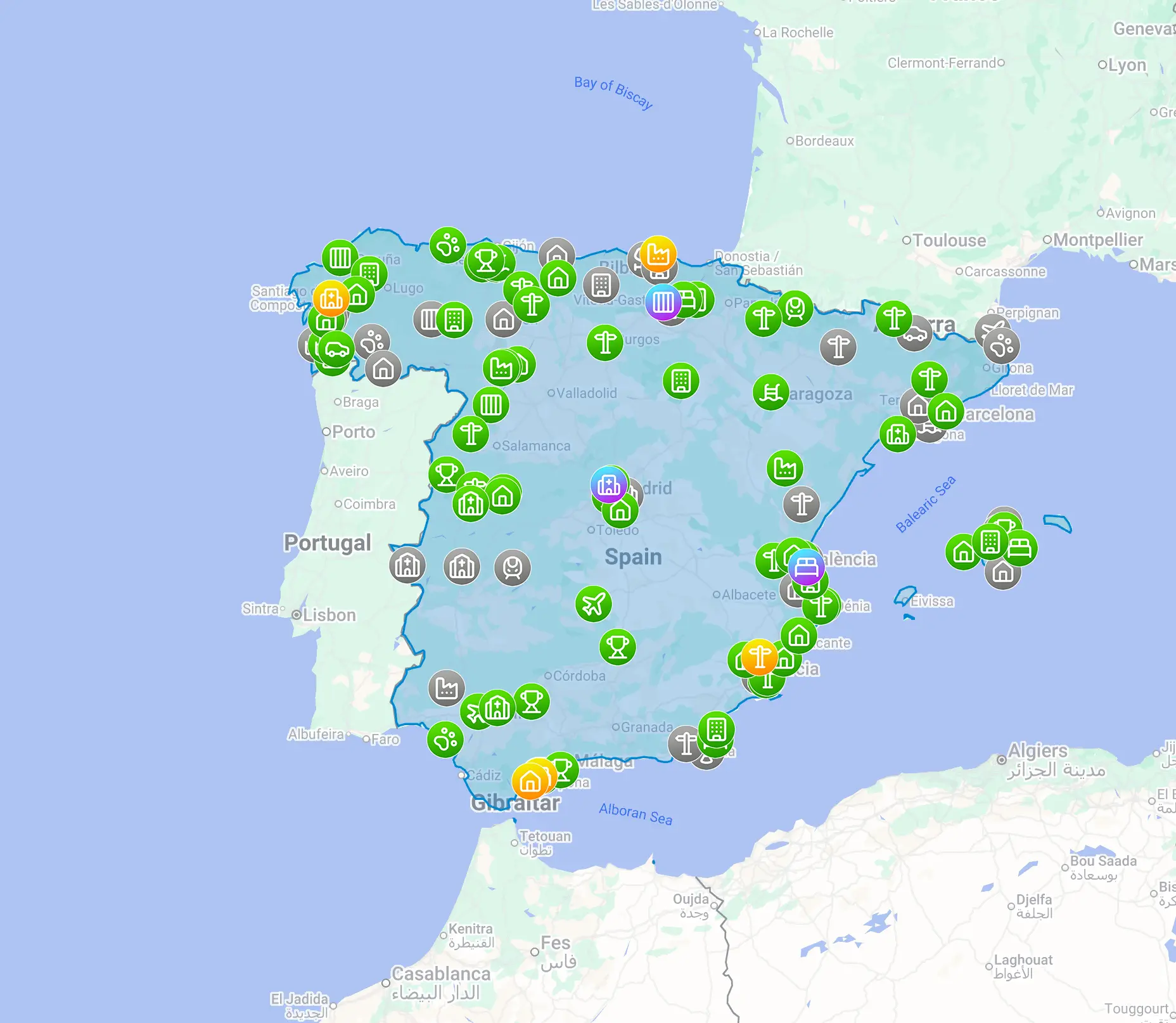
What are secret urbex locations?
Secret urbex locations are abandoned sites that remain relatively unknown because access details are not widely published, local explorers keep them discreet, or public records are fragmented. In practice, the best hidden urbex spots are usually found through map research, archival clues, field verification, and careful respect for legal boundaries rather than viral posts.
Quick summary
- Secret urbex locations are usually hidden by weak public indexing, community discretion, or changing site conditions.
- Reliable discovery methods combine maps, archives, satellite imagery, local history, and on-site verification.
- A curated urbex map is more useful than rumors because it reduces duplicates, false leads, and demolished locations.
- Hidden abandoned places still have owners, legal limits, and safety risks.
- Preservation-first behavior helps keep locations intact and lowers the risk of exposure and vandalism.
- Verified information matters more than dramatic social media content.
Quick facts
| Topic | Key point |
|---|---|
| Best discovery method | Combine maps, archives, and field checks |
| Common problem | Old tips often lead to demolished or sealed sites |
| Main legal issue | Abandoned does not mean public access |
| Main safety issue | Structural instability is often invisible from outside |
| Best tool type | Curated and updated urbex maps |
| Best mindset | Research first, preserve always |
Why do some hidden urbex spots stay unknown?
Secret urbex locations usually stay hidden because they are not easy to index, not easy to verify, or intentionally not promoted. Many abandoned places are buried in industrial zones, rural backroads, or areas with poor signage.
Another reason is community protection. Experienced explorers often avoid posting exact entry details publicly because overexposure can lead to theft, vandalism, fires, or quick closure. A location can remain visually obvious on a satellite view and still be functionally hard to identify.
A third reason is data decay. Old forum posts disappear, coordinates become inaccurate, businesses change, and demolition happens without much notice. That is why a hidden site is not just a place few people know. It is often a place with incomplete, outdated, or fragmented information.
How can you find hidden urbex spots responsibly?
The most reliable method is layered research. Start with satellite imagery, industrial edges, rail corridors, old resorts, military remnants where legally viewable, and rural institutional buildings. Then compare what you see with historical maps, local business records, planning documents, and street-level context.
If you want a structured process, read How to Find Abandoned Places with Google Maps and How to Find Abandoned Places Near Me: A Step-by-Step Urbex Method. Those methods work best when you treat every lead as a hypothesis, not a confirmed location.
A practical workflow looks like this:
- Identify low-activity zones on a map.
- Compare current imagery with older references.
- Check whether the building still exists.
- Look for signs of reuse, renovation, fencing, or demolition.
- Verify the legal context before considering a visit.
- Keep notes on reliability, date, and source quality.
This is also where a curated Browse all urbex maps page can save time. Good maps reduce random searching and help you focus on locations that have already been checked for relevance.
What makes a curated urbex map better than random social posts?
A curated urbex map is better because it prioritizes verification over hype. Random posts often show dramatic interiors without context, date, or legal status. That makes them attractive but unreliable.
A good urbex map helps in four ways:
- It filters out demolished or duplicate sites.
- It groups locations in a usable geographic format.
- It gives explorers a clearer starting point for verification.
- It supports a preservation-first approach instead of viral exposure.
MapUrbex is built around verified locations, responsible exploration, and curated maps. That matters because hidden abandoned places change quickly. A site that was open, empty, or intact last year may now be secured, repurposed, or unsafe.
If you want to start with a broad database, Access the free urbex map or Browse all urbex maps.
How should you verify a secret abandoned place before visiting?
You should verify both the place and the context. A building can look abandoned online and still be active, occupied, monitored, or dangerous.
Use this checklist:
- Confirm the structure still stands.
- Check recent imagery or reports when available.
- Look for evidence of current use such as vehicles, lights, new roofing, or maintained grounds.
- Note barriers, warning signs, or private property markings.
- Review weather, terrain, and daylight conditions.
- Have a backup plan if the site is inaccessible or clearly off-limits.
Verification also means accepting a negative result. If a site appears occupied, heavily secured, or legally restricted, the responsible decision is to leave it alone.
What legal and safety rules matter most for secret abandoned places?
The most important rule is that abandoned does not mean legal to enter. Property law depends on the country, region, and site status. Visible decay is not permission.
Responsible urbex means:
- No forced entry.
- No trespassing.
- No vandalism.
- No theft or souvenir taking.
- No sharing of sensitive access details that could harm the place.
Safety matters just as much. Hidden sites may contain weak floors, broken glass, shafts, unstable roofs, chemicals, or poor air quality. These risks are often invisible in photos.
If you are new to this, How to Start Urbex: A Beginner's Guide to Urban Exploration is the right foundation. Research skills are useful, but judgment is more important.
Which signs suggest a hidden site is not worth pursuing?
A lead is usually not worth pursuing when the data is old, the building has likely been repurposed, or the legal situation is clearly restrictive. Time is better spent on verified and current information.
Common warning signs include:
- Photos with no date or no geographic clues.
- Coordinates copied across multiple low-quality lists.
- Recent redevelopment visible from satellite imagery.
- Obvious residential use nearby.
- Heavy fencing, active cameras, or clear no-entry notices.
Responsible explorers do not treat every rumor as a challenge. They filter aggressively and move on.
FAQ
Are secret urbex locations always better than famous ones?
No. A secret location is not automatically safer, more beautiful, or more rewarding. Some well-known sites are better preserved and easier to assess, while many hidden spots are empty shells or already compromised.
Can Google Maps alone reveal hidden abandoned places?
No. Google Maps is a useful starting layer, but it is not enough on its own. Hidden urbex spots usually require cross-checking with archives, local records, and recent verification.
Is it legal to visit abandoned buildings if they look open?
Not necessarily. An open door, broken fence, or visible ruin does not create legal access rights. You must respect local law, private property, and posted restrictions.
Why do responsible explorers avoid sharing exact entries publicly?
Because exact entry details can accelerate vandalism, theft, unsafe visits, and site closure. Preservation-first sharing protects locations better than open exposure.
Are curated maps useful for beginners?
Yes. Curated maps help beginners avoid false leads and understand where further verification is needed. They do not replace judgment, but they improve research efficiency.
Conclusion
Secret urbex locations are best understood as research problems, not shortcuts. The strongest method is careful map work, verified information, and a clear respect for legal and safety limits.
That approach aligns with the purpose of MapUrbex: verified locations, responsible urbex, preservation-first habits, and curated maps that help explorers search smarter.
Access the free urbex map
