 MapUrbex
A clear guide to the Rayon de soleil abandoned hospital in Belgium, with history context, safety reminders, and responsible urbex research advice.
Rayon de soleil Abandoned Hospital in Belgium: History, Context, and Urbex Facts
The Rayon de soleil abandoned hospital in Belgium is a name that appears regularly in Belgian urbex discussions. It stands out because abandoned medical sites combine visible decay, social history, and a strong emotional atmosphere.
Public information about the site is fragmented. That matters for accuracy. A useful guide should separate repeatable facts from recycled rumors and explain why this abandoned hospital in Belgium keeps attracting attention.
MapUrbex covers the subject with a preservation-first approach. We do not publish risky access advice or encourage trespassing. For broader research, you can also Browse all urbex maps.
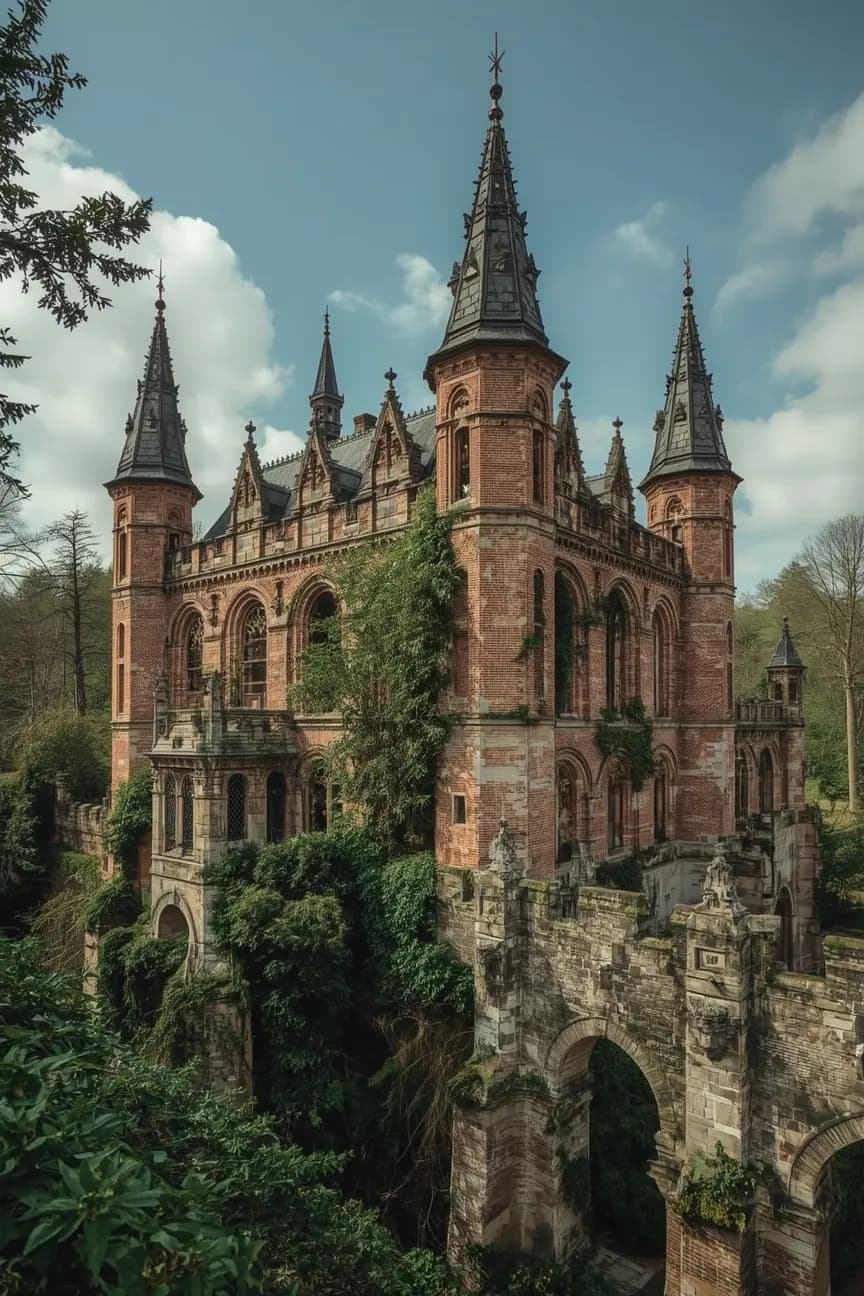
What is the Rayon de soleil abandoned hospital in Belgium?
The Rayon de soleil abandoned hospital is a disused healthcare-related site in Belgium that is widely discussed in urbex circles for its medical setting and abandoned atmosphere. Publicly available documentation is limited, so the most reliable summary is that it is known as an abandoned hospital site, not as a public attraction or a place to enter without authorization.
Quick summary
- The site is commonly referred to as the Rayon de soleil abandoned hospital in Belgium.
- It is known mainly for its abandoned medical atmosphere, not for tourism.
- Publicly verifiable historical details are limited, so many online claims should be treated cautiously.
- Abandoned hospitals carry serious legal, physical, and preservation risks.
- Responsible urbex means permission, restraint, and no sharing of vulnerable coordinates.
- MapUrbex prioritizes verified context and curated maps over sensational rumors.
Quick facts
- Country: Belgium
- Type: Abandoned hospital or former care-related site
- Main interest: Medical architecture, decay, and local memory
- Urbex context: Often cited in discussions about urbex Belgium
- Access status: Not presented as a public attraction; permission is required
- Safety note: Older healthcare ruins may contain unstable floors, broken glass, contaminants, and hidden drops
Why does the Rayon de soleil abandoned hospital attract so much attention in Belgium?
It attracts attention because abandoned hospitals are among the most visually and emotionally distinctive kinds of ruins. Even when stripped or damaged, their original purpose remains easy to read.
In an abandoned hospital Belgium searches often focus on atmosphere as much as architecture. Corridors, treatment spaces, tiled rooms, and institutional layouts create a setting that feels immediately recognizable. That makes these places more memorable than many anonymous industrial shells.
The Rayon de soleil name also persists because medical ruins carry symbolic weight. They are associated with care, vulnerability, and closure. When that kind of site is left empty, the contrast is powerful, which explains why it keeps being mentioned in Belgian urbex conversations.
What is actually known about the history of the Rayon de soleil abandoned hospital?
The cautious answer is that only part of the site's history can be stated confidently from public circulation. The name Rayon de soleil is widely repeated, but detailed institutional chronology is not always documented in open urbex sources.
This is common with abandoned places. Repetition online can look like proof even when several posts all come from the same unsourced claim. For a trustworthy history of abandoned hospital overview, the safest points are its Belgian context, its identification as a healthcare-related ruin, its abandoned status, and its continued visibility in urbex research.
When reviewing site history, these are the points that usually require extra verification:
- the exact closure date
- the complete ownership timeline
- any later reuse or redevelopment plans
- the current legal status of the property
That is why responsible research matters more than copying dramatic stories. If you want a method for separating current information from old trip reports, read How to Find Real Abandoned Places Near You in 2026 (Without Wasting Time).
What makes abandoned hospitals such distinctive urbex sites in Belgium?
Abandoned hospitals stand out because their original function remains visible long after closure. They preserve a clearer link between architecture and human use than many other types of ruins.
The Rayon de soleil abandoned hospital is often cited for exactly that reason. Even when detailed historical records are incomplete, the category itself carries strong visual and documentary interest.
1. Medical architecture keeps its purpose readable
Hospital design is highly functional. Corridors, wards, sanitary zones, waiting areas, and service rooms usually reveal what the building was meant to do.
That legibility matters in urbex. A former warehouse can become visually generic once emptied, but a hospital often remains identifiable even in an advanced state of decay. That helps explain why sites like Rayon de soleil stay memorable in photographs and discussions.
2. Traces of routine often survive longer than in industrial ruins
When any fittings, signs, or room labels remain, they make the site feel closer to its former daily life. Even small remnants can give a healthcare ruin unusually strong documentary value.
This is one reason abandoned hospital Belgium content performs so strongly in search and social media. People are not only looking at a ruined structure. They are reading fragments of a system that once served patients, staff, and local communities.
3. Silence changes the emotional tone of the building
Hospitals are built for constant activity. When they are empty, that absence becomes part of the experience.
The emotional effect is different from a disused factory or an abandoned house. Rayon de soleil is often remembered less as a spectacular ruin and more as a place with a heavy, still atmosphere. That kind of perception helps a site become part of local urbex memory.
4. These sites compress local social history
A closed hospital can reflect changes in public services, demographics, funding, planning, or real-estate strategy. The building becomes a visible record of broader shifts.
That is why abandoned care sites interest more than photographers. They also matter to people documenting local history in Belgium, because closure often says something about the surrounding region as well as the building itself.
5. They raise sharper ethical questions than many other ruins
Medical sites deserve extra restraint. They may relate to illness, death, vulnerable people, or archives that should never be disturbed.
Preservation-first urbex means no staged scenes, no document removal, no damage, and no location dumping. A healthcare ruin is not just an aesthetic backdrop. It is also a sensitive site with legal and ethical boundaries.
Access the free urbex map
How should you assess safety and legality around an abandoned hospital?
You should assume an abandoned hospital is legally restricted and physically unstable unless explicit permission and current safety information show otherwise. That is the safest baseline.
Older medical buildings can contain broken glass, water damage, weak floors, unsecured basements, exposed shafts, mold, and residual contaminants. In some cases, older materials may also raise concerns about asbestos or chemical residues. A medical building is not a medically safe building.
The legal side is just as important. If a property is private, under redevelopment, monitored, or otherwise restricted, unauthorized entry can create legal consequences as well as safety risks. MapUrbex never recommends forced access, trespassing, or bypassing security.
A responsible checklist looks like this:
- verify whether the property is private and restricted
- separate historical interest from access rights
- do not rely on old explorer reports as proof of current conditions
- do not touch records, equipment, or remaining personal material
- leave immediately if the structure appears unstable or occupied
For people researching rather than visiting, that is also why exact coordinates are often withheld. The goal is to reduce vandalism, theft, and unsafe imitation. For broader context, see Urbex Near Me in 2026: How to Find Real Abandoned Places Without Wasting Time and Browse all urbex maps.
How does the Rayon de soleil abandoned hospital fit into the wider abandoned-hospital landscape in Belgium?
It fits as a representative Belgian abandoned hospital case: visually strong, often mentioned, but unevenly documented in public sources. That pattern is common in urbex Belgium, where site names can spread faster than verified history.
| Aspect | Rayon de soleil takeaway | Why it matters |
|---|---|---|
| Type | Abandoned healthcare-related site discussed as a hospital | Explains the recurring interest in medical ruins |
| Documentation | Partial in public sources | Requires careful source checking |
| Access | Not a public attraction | Permission remains essential |
| Urbex value | Atmosphere, architecture, and social memory | Makes the site memorable in Belgian urbex culture |
| Preservation issue | Public overexposure can accelerate damage | Supports a protection-first approach |
This broader pattern explains why many abandoned hospitals in Belgium become famous online yet remain poorly understood offline. The more a site is repeated without sourcing, the easier it becomes for rumor to replace history.
A better method is slower and more verifiable. Compare local archives, current property status, and curated mapping resources instead of relying on copied legends. That is the standard MapUrbex tries to apply.
What is the best way to research the Rayon de soleil abandoned hospital responsibly?
The best method is to verify the current legal status, compare multiple sources, and avoid treating old photo reports as current access information. Responsible research starts with present-day facts.
A practical approach is simple:
- start with recent information, not decade-old posts
- separate site history from access conditions
- assume the ownership and security situation may have changed
- avoid reposting vulnerable coordinates on public platforms
- use curated resources instead of rumor chains
This approach is useful whether you are documenting local history, planning legal photography with permission, or simply trying to understand why a site matters. If you want a broader framework, use Browse all urbex maps alongside How to Find Real Abandoned Places Near You in 2026 (Without Wasting Time).
Browse all urbex maps
FAQ
Is the Rayon de soleil abandoned hospital open to visitors?
No public visitor status is indicated in reliable public discussions. The safe assumption is that it is not open as a tourist site. Any access would require explicit authorization from the relevant owner or manager.
Does MapUrbex publish the exact address of this abandoned hospital?
MapUrbex does not publish vulnerable coordinates simply to drive traffic. That policy helps reduce vandalism, theft, and unsafe entry attempts. Preservation-first coverage is more important than exposure.
Why are abandoned hospitals more sensitive than factories or houses?
Hospitals can involve personal history, medical records, and stronger ethical concerns. They may also present more complex hazards because of layout, materials, and neglected service spaces. That is why caution and restraint are especially important.
Can you photograph an abandoned hospital legally in Belgium?
Photography can be legal only if you have the right to be there and you follow local property rules. Permission matters more than the camera. If entry is unauthorized, taking photos does not make the visit lawful.
What is the safest way to learn about abandoned places in Belgium?
Start with verified resources, current legal information, and documented historical context. Do not rely on viral clips or old forum posts alone. Curated tools and careful source checking are the safer way to research urbex Belgium.
Conclusion
The Rayon de soleil abandoned hospital in Belgium matters because it combines abandoned medical architecture, local memory, and the uncertainty that often surrounds well-known urbex sites. Its reputation is real, but many precise claims about its history require careful verification.
The main takeaway is simple: treat the site as a sensitive abandoned hospital, not as a casual destination. Responsible urbex means permission, preservation, and accurate research before everything else.
Access the free urbex map
