 MapUrbex
A practical guide to using a Puerto Rico urbex map, understanding abandoned places on the island, and researching sites responsibly.
Puerto Rico Urbex Map: Discover Abandoned Locations on the Island
Puerto Rico has a dense and varied abandoned landscape. Former industrial facilities, closed schools, military remnants, unfinished resorts, and storm-damaged buildings all appear across the island in very different contexts.
This guide explains how to use a Puerto Rico urbex map as a research tool. The goal is not to promote trespassing or risky access. The goal is to understand where abandoned places in Puerto Rico are typically found, why they exist, and what a responsible map should actually provide.
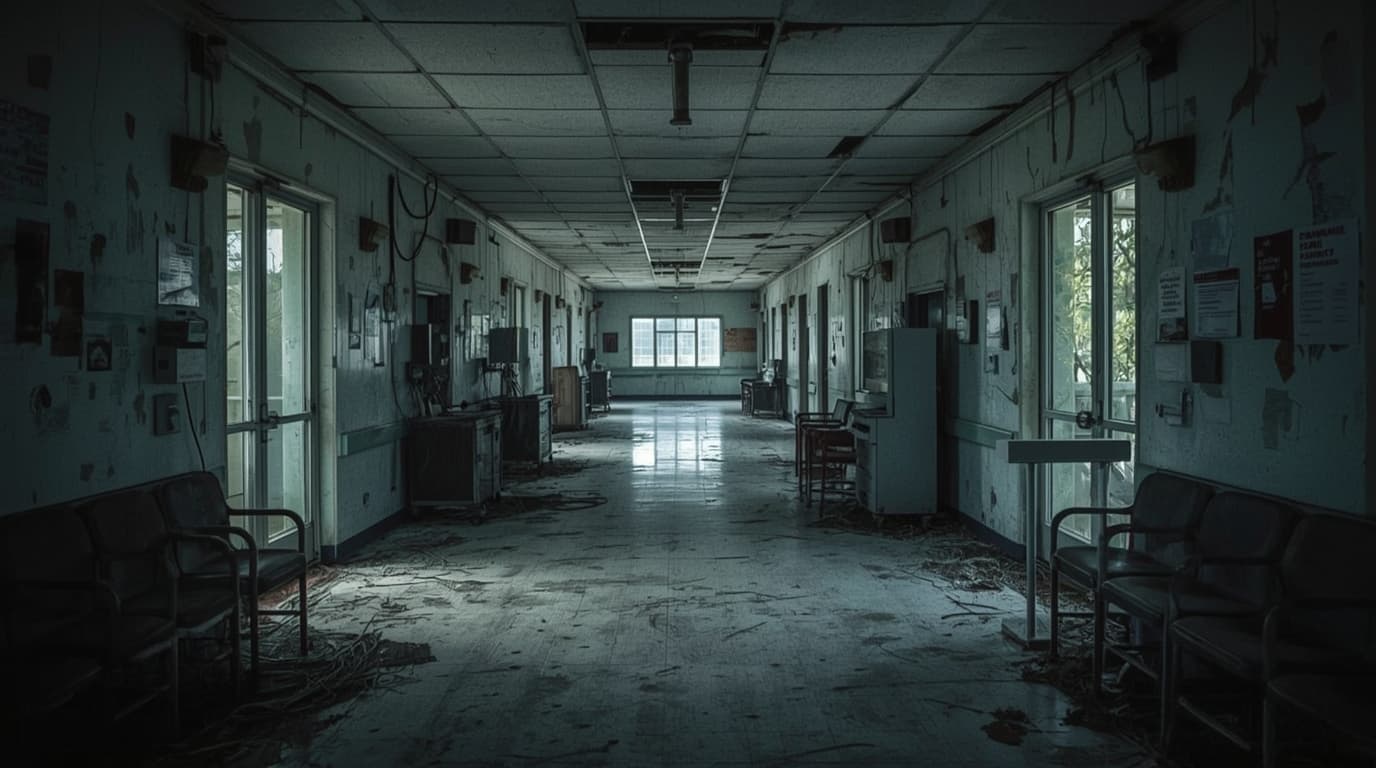
What is a Puerto Rico urbex map?
A Puerto Rico urbex map is a curated map of abandoned locations on the island that combines site context, verification, and safety notes rather than random coordinates alone. It helps readers research abandoned places in Puerto Rico, compare areas, and avoid unreliable pins that may be outdated, private, active again, or structurally unsafe.
Quick summary
- Puerto Rico contains industrial ruins, closed public buildings, military infrastructure, and stalled tourism sites.
- A useful map of abandoned places should include verification, context, and access-status checks, not just location pins.
- Many abandoned sites are linked to economic change, public-sector closures, migration, and hurricane damage.
- The most consistent research zones are older industrial corridors, former military areas, coastal tourism belts, and depopulated municipalities.
- Responsible urban exploration in Puerto Rico starts with legal checks, hazard awareness, and preservation-first behavior.
- Curated maps are more reliable than random social posts because they reduce outdated or misleading location data.
Quick facts
- Location: Puerto Rico, an island in the Caribbean
- Typical site types: Sugar mills, factories, schools, hospitals, hotels, military infrastructure
- Main historical drivers: Deindustrialization, public closures, migration, redevelopment gaps, storm damage
- Common hazards: Mold, unstable floors, corrosion, flooding, exposed wiring, contaminated materials
- Best use of a map: Research, route planning, historical context, and access screening
- Important legal point: A building being abandoned does not mean entry is legal
Access the free urbex map
Why are there so many abandoned places in Puerto Rico?
Puerto Rico has many abandoned places because several long-term forces overlap on the island: industrial decline, military transition, public-building closures, population shifts, and severe weather events.
Older industrial areas lost their original function as the economy changed. Sugar production declined, manufacturing moved or contracted, and some port-related or utility-linked sites were left behind. Public institutions also changed over time, especially schools and smaller facilities affected by demographic decline.
Storms added a second layer to this landscape. Hurricanes and coastal exposure damaged buildings that were already vacant or economically fragile. In some places, structures were never fully repaired, which created clusters of visibly abandoned properties.
Which types of abandoned places can be found on a map of abandoned places in Puerto Rico?
A map of abandoned places in Puerto Rico usually includes industrial sites, public buildings, tourism-related properties, former military infrastructure, and storm-damaged urban areas.
The largest and most historically significant category is often industrial. Old sugar infrastructure, warehouses, processing facilities, and related rail or utility elements still shape many abandoned landscapes on the island.
Public buildings are another common category. Closed schools, clinics, and municipal structures appear in areas affected by depopulation, budget pressure, or administrative consolidation. Some are architecturally modest. Others are important because they show social and demographic change.
Tourism and military sites form two additional layers. Closed hotels, unfinished developments, and former support buildings near old military zones are frequently searched because they combine strong visual character with clear historical context.
Where are abandoned locations most often concentrated in Puerto Rico?
Abandoned locations in Puerto Rico are most often concentrated around former industrial corridors, ex-military zones, coastal tourism areas, and municipalities where population loss or storm damage left buildings without a new use.
These patterns matter because they help explain why certain kinds of sites appear in certain regions. A good Puerto Rico urbex map should reflect these patterns instead of scattering isolated pins without context.
| Area pattern | Typical abandoned sites | Why it matters |
|---|---|---|
| Former industrial zones | Sugar mills, warehouses, utility buildings, worker infrastructure | These areas often reflect long-term economic transition |
| Former military influence areas | Housing blocks, support buildings, storage structures | Access rules can be strict, and ownership status must be checked carefully |
| Coastal tourism belts | Closed hotels, unfinished resorts, service buildings | Storm exposure and redevelopment pressure can change conditions quickly |
| Depopulating municipalities | Schools, clinics, civic buildings, small commercial properties | These sites often show demographic and public-service change |
| Storm-affected urban edges | Residential blocks, retail units, mixed-use buildings | Structural instability can be severe even when ruins look accessible |
What should a responsible Puerto Rico urbex map include?
A responsible Puerto Rico urbex map should include verification dates, clear site categories, legal context, and hazard notes. That is what separates a useful research tool from a random list of coordinates.
At minimum, a curated map should tell you whether a location is still standing, whether the site is known to be private or actively monitored, and what kind of environment you are dealing with. Coastal exposure, mold, flooding, unstable concrete, and hurricane-related damage are not minor details on the island. They are core planning information.
This is why curated mapping matters. Urbex map: how curated maps help plan urban exploration routes explains how better data improves route planning, while Best Urbex Maps in the World: Where to Find Verified Locations shows why verified locations are more useful than scattered social media posts.
What are the main categories on a Puerto Rico urbex map?
The main categories on a Puerto Rico urbex map are former industrial sites, military-related infrastructure, abandoned tourism properties, closed public buildings, and storm-damaged urban areas. Together, these categories explain most of the island's abandoned geography.
1. Former sugar mills and industrial complexes
Former sugar and industrial sites are among the most important abandoned places in Puerto Rico because they connect directly to the island's economic history. Large processing buildings, storage areas, chimneys, workshops, and transport-linked structures often survive long after production stopped.
These locations are visually striking, but they also tend to be heavily deteriorated. Metal corrosion, collapsing roofs, shafts, and contaminated debris are common issues. Many are also on private land, so a map should be used for historical research and legal screening, not as an invitation to enter.
2. Former military and support infrastructure
Former military-related areas appear on many searches because they combine scale, secrecy, and documented historical change. The broad area around the former Roosevelt Roads Naval Station is one of the best-known examples of a place where closed or repurposed infrastructure shaped the local abandoned landscape.
These sites require special caution. A former military building may still sit inside restricted, leased, redeveloped, or monitored land. A responsible map must distinguish between historically relevant areas and locations that remain off-limits.
3. Closed hotels and unfinished tourism developments
Abandoned hotels and stalled tourism projects are especially visible in coastal areas. They attract attention because they often occupy dramatic seaside settings and reflect economic cycles, ownership disputes, or damage that interrupted operations.
They are also some of the least predictable sites. Salt air accelerates deterioration, storm exposure weakens structures, and redevelopment can restart at any time. A pin from a few years ago may no longer describe the current condition of the property.
4. Closed schools, clinics, and public buildings
Closed public buildings are common on the island because demographic change and budget constraints have affected local infrastructure. Schools are especially significant because they are distributed across many municipalities and often remain recognizable long after closure.
These sites are useful for understanding social history, but they are rarely simple exploration targets. Public ownership can coexist with security patrols, sealed access, or planned reuse. In practice, they should be treated as sensitive civic sites rather than easy entries.
5. Storm-damaged residential and commercial areas
Storm-damaged buildings form a separate category from long-abandoned ruins. In Puerto Rico, hurricanes can turn already fragile properties into high-risk spaces, and they can also create recently abandoned structures that still contain debris, unstable utilities, or environmental contamination.
This category matters because it is often misread online. A damaged neighborhood is not the same thing as a stable urbex site. Responsible urban exploration in Puerto Rico requires distinguishing historic abandonment from recent disaster impact.
How should you use urban exploration maps in Puerto Rico responsibly?
You should use urban exploration maps in Puerto Rico as research tools, not as permission to enter any structure. Legal status, ownership, environmental risk, and current conditions always matter more than the existence of a pin on a map.
A preservation-first approach is the safest and most credible one. That means no forced entry, no damage, no removal of objects, and no publication of access tips that could expose fragile places to vandalism.
Before visiting any area legally open to the public, check these points:
- Confirm whether the property is private, restricted, fenced, or under redevelopment.
- Avoid hurricane-damaged structures, flood-prone sites, and coastal buildings with visible collapse.
- Assume mold, asbestos, exposed rebar, broken glass, and electrical hazards may be present.
- Respect residents and neighbors, especially in mixed-use districts where vacant and occupied buildings stand side by side.
- Prioritize documentation, history, and context over entry.
Where can you find curated urbex maps and planning guides?
You can start with Browse all urbex maps if you want a wider view of curated mapping. For a planning-oriented approach, the clearest supporting article is Urbex map: how curated maps help plan urban exploration routes.
If you want broader comparison beyond the island, Best Urbex Maps in the World: Where to Find Verified Locations gives a useful overview of how verified location databases differ from random user-generated lists.
Access the free urbex map
FAQ
Is urban exploration legal in Puerto Rico?
Urban exploration is not automatically legal in Puerto Rico just because a place looks abandoned. Many sites are private property, monitored land, or areas with restricted access. Always verify ownership and local rules before approaching any location.
What are the most common abandoned places in Puerto Rico?
The most common categories are industrial ruins, closed schools, former military-related infrastructure, abandoned hotels, and storm-damaged buildings. Their distribution depends on local history and regional economic patterns. A good map helps distinguish these categories clearly.
Are hurricane-damaged sites suitable for beginners?
No, hurricane-damaged sites are usually poor choices for beginners. Structural weakness, water damage, mold, contamination, and unstable utilities can make them especially dangerous. Recent damage also means conditions may change very quickly.
Why use a curated map instead of random coordinates online?
Curated maps are more useful because they add verification, context, and risk awareness. Random coordinates are often outdated, inaccurate, or shared without legal information. Better data reduces wasted trips and helps avoid sensitive or unsafe locations.
What makes Puerto Rico different from other urbex destinations?
Puerto Rico stands out because industrial history, military history, tourism cycles, and hurricane exposure overlap in a relatively compact territory. That creates a wide range of abandoned site types in a small geographic area. It also means condition changes can be faster than in many inland regions.
Conclusion
A Puerto Rico urbex map is most useful when it explains the island's abandoned geography instead of simply dropping pins. Industrial decline, public closures, military transition, tourism shifts, and storm damage all shape where abandoned places appear and how risky they may be.
MapUrbex focuses on curated, preservation-first mapping. Use the map to research responsibly, understand site history, and avoid illegal or unsafe access.
Access the free urbex map
