 MapUrbex
Learn how to start urbex safely with this beginner guide covering locations, gear, legal basics, planning, and responsible exploration.
How to Start Urbex: A Beginner's Guide to Safe, Responsible Exploration
Urbex is easiest to start when you treat it as careful observation, not adrenaline chasing. Beginners do not need extreme locations or expensive equipment. They need good judgment, a clear plan, and respect for places that may be fragile, private, or unsafe.
A good guide to starting urbex should answer practical questions first. Which locations are suitable for a first visit? What gear matters? What are the legal limits? Those basics matter more than photography style or social media trends.
MapUrbex focuses on verified locations, curated maps, and preservation-first exploration. The goal is simple: explore responsibly, avoid damage, and leave every place exactly as you found it.
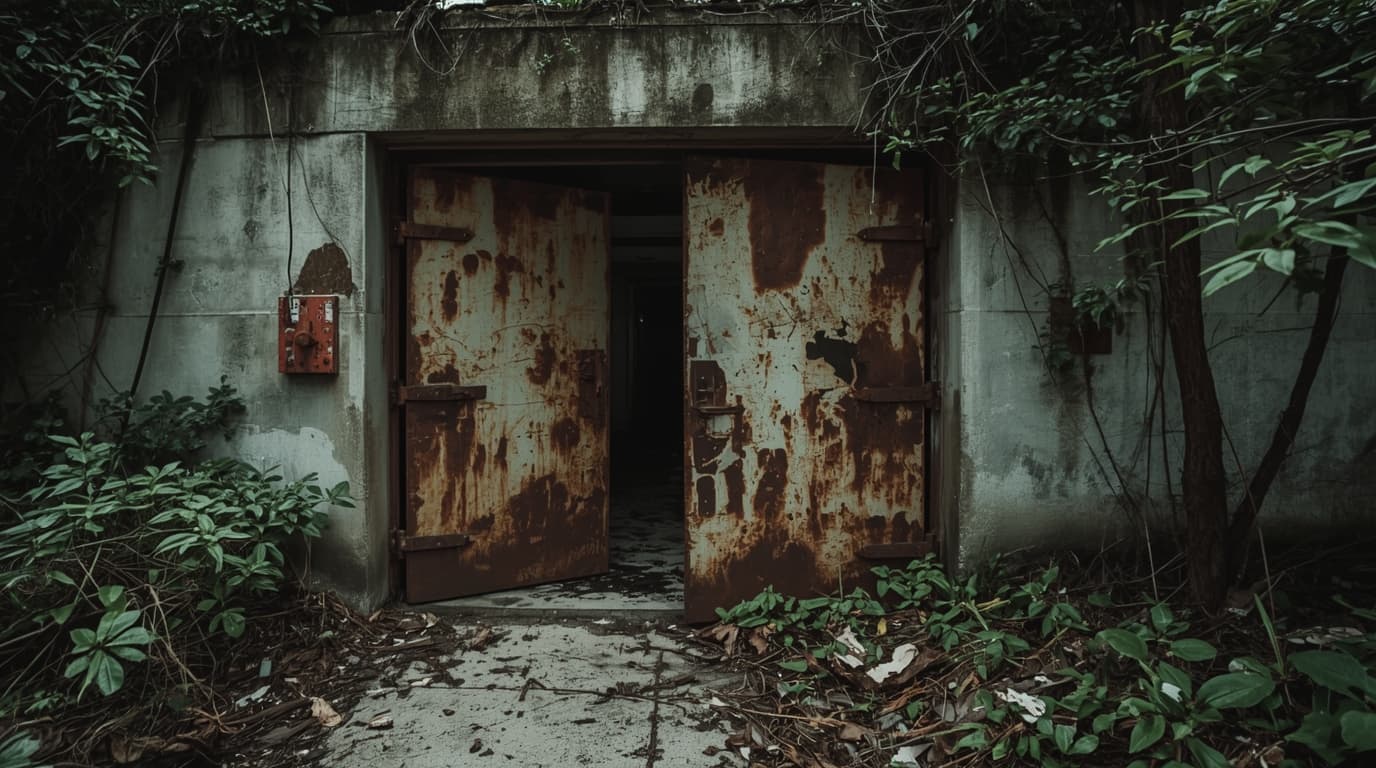
How do you start urbex safely?
Start urbex by choosing low-risk locations with clear legal status or permission, visiting in daylight, going with one trusted partner, carrying basic safety gear, and leaving immediately if access is unclear or conditions feel unsafe. Good beginner urbex is quiet, planned, and preservation-first. It never involves forced entry, trespassing, or avoidable risk.
Quick summary
- Start with simple, low-risk sites rather than large industrial ruins or complex underground spaces.
- Daylight visits are usually safer than night visits for beginners.
- Basic gear matters more than camera gear: sturdy shoes, a charged phone, light, water, and a first-aid kit.
- Abandoned does not mean legal to enter. Always verify ownership, access rules, and local law.
- Never force entry, break locks, move barriers, or publish sensitive access details.
- Curated tools such as Browse all urbex maps help you plan more responsibly.
Quick facts
- Best first location: a small, easy-to-exit site with stable floors and clear access rules
- Best time for beginners: daytime, in dry weather
- Best group size: 2 people
- Minimum gear: phone, flashlight, sturdy shoes, water, basic first aid
- Golden rule: take only photos, leave only footprints
- Planning tool: Access the free urbex map
What kind of location should a beginner choose?
A beginner should choose a location that is simple, visible, dry, and easy to leave quickly. The best first site is usually not the most famous one. It is the one with fewer variables and fewer hazards.
Good beginner locations usually have short walking distances, clear paths, and no need for climbing. They should not require crawling, entering tunnels, crossing water, or navigating unstable upper floors. A quiet former public building, a permission-based site, or a legally accessible ruin is often a better first experience than a large factory.
When comparing locations, ask five basic questions:
- Is access legal, permitted, or clearly restricted?
- Can you exit quickly if conditions change?
- Is the ground dry and structurally simple?
- Is phone signal available?
- Can the visit be done fully in daylight?
If the answer to several of those questions is no, it is probably not a good beginner site. Using verified and curated resources reduces guesswork. That is one reason many explorers start with Browse all urbex maps instead of random social media tips.
What gear do you need for beginner urbex?
Beginner urbex needs practical safety gear, not a heavy equipment list. You can start with a small kit that helps you move safely, communicate, and leave if conditions worsen.
The priorities are footwear, light, communication, hydration, and basic protection from dust or minor cuts. A camera is optional. A smartphone is enough for many first visits.
| Item | Why it matters | Priority |
|---|---|---|
| Sturdy shoes or boots | Reduce slips, cuts, and ankle injuries | Essential |
| Charged phone | Communication, navigation, emergency use | Essential |
| Flashlight or headlamp | Dark corners, safe footing, exit visibility | Essential |
| Water | Prevent dehydration on longer walks | Essential |
| Small first-aid kit | Minor cuts and basic response | Essential |
| Dust mask | Useful where dust, mold, or debris are present | Situational |
| Gloves | Protection from rough surfaces | Situational |
| Power bank | Backup phone battery | Helpful |
| Camera | Documentation only, not a safety tool | Optional |
Avoid overpacking. Extra weight can reduce mobility and increase fatigue. For a first trip, simple gear plus good planning is better than advanced gear with poor judgment.
How can you stay safe during an exploration?
You stay safe in urbex by reducing exposure to obvious hazards before you enter and by leaving early when conditions are uncertain. The safest decision is often to turn around.
Go with a partner if possible. Tell someone where you are going, what time you expect to return, and when you will check in. Keep your route simple. Do not separate inside large sites unless you have a clear plan.
Watch for the most common hazards:
- rotten floors and hidden holes
- broken glass and sharp metal
- unstable stairs and loose railings
- poor air quality, dust, or mold
- water damage and slippery surfaces
- wildlife, insects, or nests
Move slowly. Test surfaces visually before stepping. Stay close to obvious exit routes. If a space smells strongly of chemicals, feels structurally unsound, or requires squeezing through tight access points, leave.
A basic legal and safety reminder matters here: abandoned does not mean safe, and empty does not mean public. For a deeper risk overview, read Urbex Safety Guide: How to Explore Abandoned Places Without Risk.
What legal issues should beginners understand?
Beginners should understand that urbex legality depends on property status, local law, and how access is obtained. A site can be abandoned and still be private, protected, or restricted.
In many places, the main issue is trespass. In others, there may also be rules about infrastructure, rail property, military zones, heritage protection, or photography. Locks, fences, warning signs, and closed gates are clear signals not to enter without authorization.
Three simple rules keep beginners out of most legal trouble:
- do not force entry
- do not ignore posted restrictions
- do not assume old buildings are open to the public
If you need a broader legal overview, see Is Urbex Legal? A Clear Guide to Urban Exploration Laws. It is better to skip a location than to create legal risk for yourself or for the site.
How should you plan your first urbex trip?
Plan your first urbex trip like a short field visit, not like an improvised adventure. The best plan is small, specific, and easy to change.
A reliable beginner workflow looks like this:
- Choose one modest site rather than several.
- Check legal status, ownership signals, and local restrictions.
- Visit in daylight and avoid poor weather.
- Save the route and nearest exit points on your phone.
- Bring one partner and set a return time.
- Leave immediately if access is unclear or conditions feel wrong.
It also helps to manage expectations. Your first trip does not need dramatic photos. Its purpose is to practice observation, movement, timing, and decision-making. If you want to stay discreet in a lawful and respectful way around neighbors and active areas, this guide can help: How to Do Urbex Without Drawing Attention.
What etiquette defines responsible urbex?
Responsible urbex means preserving places, protecting future access, and not making conditions worse for owners, neighbors, or other explorers. Good etiquette is part of safety.
The classic rule still applies: take only photos, leave only footprints. In practice, that means no vandalism, no souvenir collecting, no moving objects for dramatic shots, and no posting precise access methods for sensitive sites.
Responsible explorers also:
- avoid geotagging vulnerable locations publicly
- respect local communities and privacy
- close what they legally opened
- report urgent hazards only through appropriate channels
- leave if their presence could create conflict or damage
Preservation-first exploration is not just an ethical choice. It is what keeps locations from being destroyed, sealed unnecessarily, or turned into unsafe trend spots.
What mistakes do beginners make most often?
Beginners most often make mistakes by going too big, too fast, and too casually. The common problem is not lack of courage. It is lack of filtering.
Typical early mistakes include choosing a huge industrial site, visiting at night for no practical reason, going alone, wearing poor footwear, relying on social media rumors, and treating any opening as permission. Another frequent error is continuing deeper into a site after noticing clear warning signs.
A better rule is simple: if you feel pressure to prove something, slow down. Urbex improves when decisions become calmer, not bolder.
FAQ
Can you start urbex alone?
You can, but beginners usually should not. A partner improves navigation, communication, and emergency response. Solo visits increase risk if you slip, lose signal, or misjudge a structure.
Do you need expensive camera gear to begin?
No. A phone is enough for many first explorations. Safety gear matters more than photography gear at the start.
Is every abandoned building illegal to enter?
No, but many are private or restricted. Legality depends on ownership, permission, posted rules, and local law. Never assume that empty means accessible.
What is the best first urbex location?
The best first location is a small, low-risk, easy-access site that can be explored fully in daylight and exited quickly. Permission-based sites are ideal.
Should beginners explore at night?
Usually no. Darkness makes navigation, hazard detection, and emergency response harder. Daylight is the better choice for a first urbex trip.
Conclusion
If you want to learn how to start urbex, start smaller than you think. Choose a simple site, verify access, go in daylight, carry basic safety gear, and leave at the first sign of legal or physical risk.
The best beginner urbex is not the most dramatic. It is the one that teaches calm decision-making, respect for places, and preservation-first habits. That approach is safer for you and better for the future of exploration.
Access the free urbex map
