 MapUrbex
Learn how to verify an urbex address, spot fake listings, and choose reliable abandoned locations without falling for common urbex scams.
How to Spot a Fake Urbex Address and Avoid Urbex Scams
Finding a promising abandoned place online is easy. Finding a real and usable location is harder. Fake urbex addresses spread through reposts, copied coordinates, outdated tips, and deliberate scams.
A bad lead is not just frustrating. It can waste travel time, push explorers toward unsafe areas, and encourage rushed decisions. The safest method is to verify every address before you go and to prefer curated sources over hype.
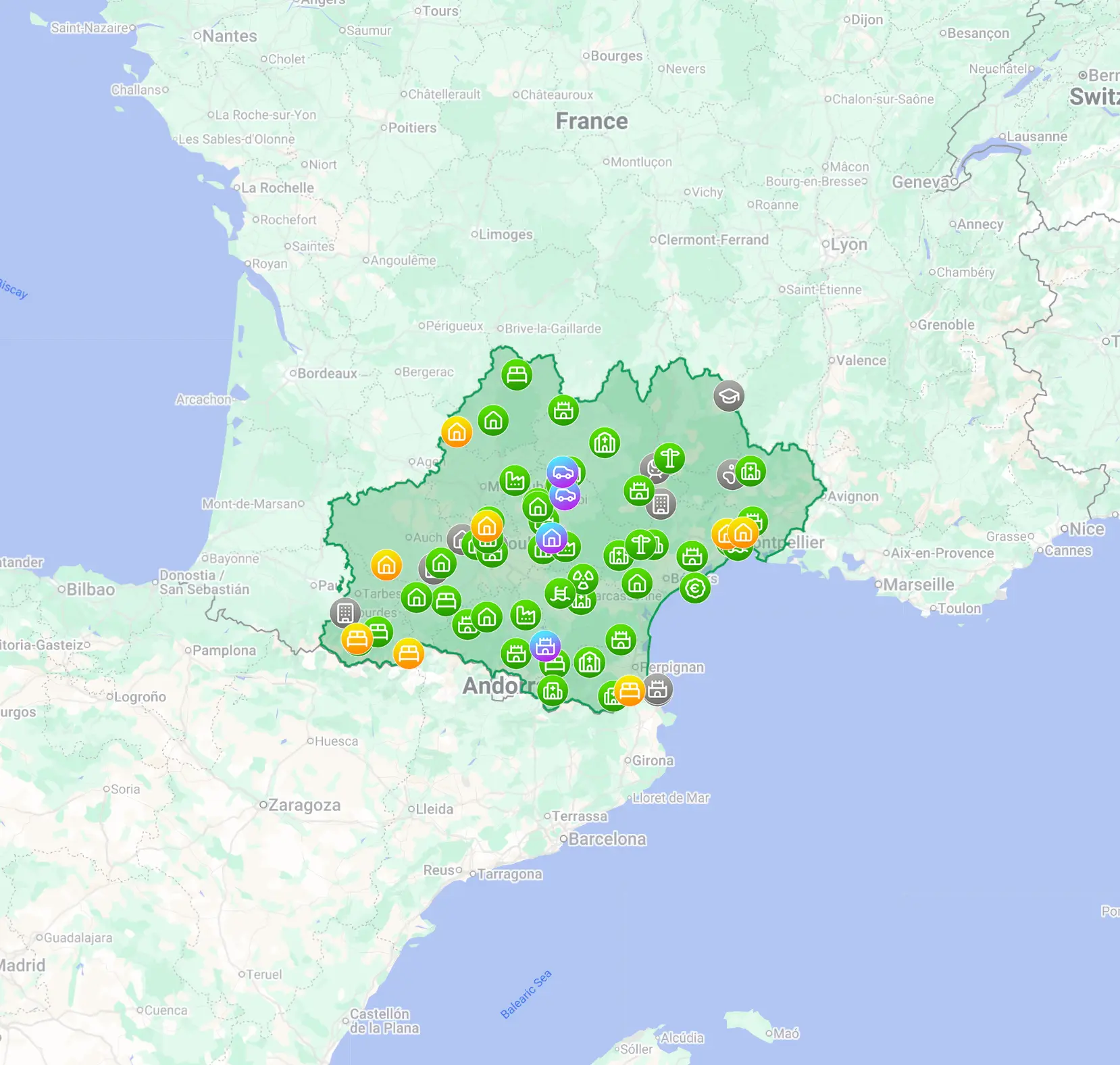
What is a fake urbex address and how can you spot one?
A fake urbex address is a wrong, misleading, outdated, or deliberately invented location presented as a real exploration site. You can usually spot one by checking whether the pin matches recent map data, satellite imagery, local history, visible building details, and multiple independent sources. If those elements do not line up, treat the location as unreliable.
Quick summary
- A fake urbex address is often outdated, copied, vague, or intentionally false.
- The fastest checks are satellite view, Street View, recent photos, and name cross-checks.
- Scammers often sell recycled coordinates, cropped screenshots, or places that no longer exist.
- A reliable urbex spot usually shows consistent details across maps, images, and local records.
- Responsible explorers verify information, respect property law, and never force entry.
- Curated map platforms reduce noise by filtering obvious false leads.
Quick facts
- Main goal: verify the address before you travel, not after.
- Highest-risk sources: anonymous sellers, repost pages, and urgency-based private messages.
- Strongest positive signal: several independent details point to the same site.
- Strongest negative signal: the coordinates do not match the photos being sold.
- Legal reminder: a real address is not permission to enter.
- Safer starting point: Browse all urbex maps
Why do fake urbex addresses circulate?
Fake addresses circulate because demand is high and verification takes time. Some are honest mistakes from old reports. Others are deliberate urbex scams meant to sell worthless coordinates or attract clicks and followers.
Common patterns include:
- old addresses from sites that were demolished or redeveloped
- photos attached to the wrong pin
- vague directions sold as exclusive access
- cropped screenshots that hide the wider map context
- copied coordinates resold across several groups
If a seller cannot explain when the spot was last checked, why the pin is accurate, or what the exterior looks like now, the information is weak.
How can you verify an urbex address before you go?
The best way to verify an urbex address is to combine map tools, image evidence, and local context. One source is not enough. You want several small facts that all confirm the same place.
A practical verification process looks like this:
- Check satellite imagery for the building footprint, roof condition, and access roads.
- Use Street View or public roadside photos to confirm the facade, fences, signage, and current state.
- Compare shared photos with map orientation, window layout, nearby buildings, and vegetation.
- Search local news, directories, and planning documents for closure, fire, demolition, or redevelopment.
- Verify the site name, because many fake listings use a real building name with the wrong address.
- Look for dateable clues such as boarded openings, missing structures, or recent construction.
For broader research methods, see How to Find Abandoned Places with Google Maps and How to Find Abandoned Places Near Me: A Step-by-Step Urbex Method.
Which red flags usually reveal an urbex scam?
An urbex scam usually reveals itself through inconsistency, pressure, or proof that cannot be checked. If the story changes when you ask basic questions, walk away.
| Red flag | What it often means | Safer response |
|---|---|---|
| Pay now, details disappear tonight | Artificial urgency | Do not buy under time pressure |
| Photos do not match the pinned area | Wrong or fake location | Cross-check with maps and recent imagery |
| Only cropped screenshots are shared | Context is being hidden | Ask for wider proof and decline if refused |
| The site is called untouched but is already famous online | Hype over accuracy | Expect outdated information |
| No visit date is given | The source may not know the current status | Ask when it was last verified |
| Seller refuses basic questions | Low-confidence or deceptive lead | Avoid the transaction |
A reliable source does not need mystery to prove value. Clear context is usually a better sign than exclusivity.
What makes an urbex spot listing reliable?
A reliable urbex spot listing is consistent, specific, and recent. It gives enough context to verify the location without depending on hype.
Look for these signals:
- a precise location format rather than vague regional hints
- a recent verification date
- photos that match the building layout seen on maps
- notes about demolition, security, redevelopment, or access changes
- realistic expectations about the site's condition
- a preservation-first tone instead of bragging or gatekeeping
Good listings help you make a calm decision. They do not push you toward risky behavior. If you are new to exploration, How to Start Urbex: A Beginner's Guide to Urban Exploration explains the basics of responsible planning.
How does MapUrbex reduce false leads?
MapUrbex reduces false leads by focusing on curated maps, verification logic, and responsible urbex. The goal is not to promise that every place is accessible at every moment. The goal is to give explorers better starting data than random social posts or recycled coordinate drops.
That matters because a place can be real and still be sealed, monitored, unsafe, or legally off-limits. Verification improves accuracy, but it does not replace property law, local rules, or on-site judgment.
If you want a filtered starting point instead of random pins, Browse all urbex maps.
What should you do if you suspect an urbex scam?
If you suspect an urbex scam, stop before paying or traveling. Save screenshots, compare the claim with public map data, and ask direct factual questions.
Use this checklist:
- ask for the last verification date
- ask what visible landmark confirms the pin
- ask whether the building still stands
- check whether the same photos appear under different location names
- search whether recent visitors mention demolition or sealing
- leave if the seller uses pressure or refuses basic questions
Do not try to force access just because you spent money or time. A bad lead is a reason to disengage, not to escalate.
FAQ
Can a real address still be a bad urbex lead?
Yes. A real address can still be demolished, converted, sealed, occupied, or too risky to visit responsibly. Accuracy and suitability are not the same thing.
Should I pay for coordinates from social media sellers?
Usually not unless the source has a strong track record, recent verification, and clear proof. Most low-cost coordinate drops are easy to recycle and hard to audit.
Is a pinned map enough to prove a location is real?
No. A pin only shows where someone placed a marker. It does not prove that the photos, the name, and the current condition match that point.
How can beginners avoid fake spots?
Beginners should prefer curated resources, learn basic map verification, and avoid urgency-based offers. Starting with transparent sources is safer than chasing secret coordinates.
Conclusion
A fake urbex address is usually detectable before you travel. The key is not one magic tool but a repeatable process: compare the pin, the photos, the map, and the recent local context. When those elements match, confidence rises. When they conflict, step back.
Responsible urbex starts with good information, legal awareness, and preservation-first decisions.
Access the free urbex map
