 MapUrbex
Learn how to build your own urbex map with the right tools, mapping methods, and data sources. This guide explains how to collect, verify, organize, and use location data responsibly.
How to Build Your Own Urbex Map: Tools, Methods, and Data Sources
Building your own urbex map is one of the most useful skills in urban exploration. A personal map helps you organize leads, compare sources, and separate confirmed locations from weak rumors.
This matters globally. Whether you research factories in Europe, schools in North America, or haikyo in Japan, the same method applies: collect data carefully, verify it, and protect places from unnecessary exposure.
MapUrbex takes a preservation-first approach. Curated maps and verified locations reduce noise, improve planning, and support more responsible exploration.
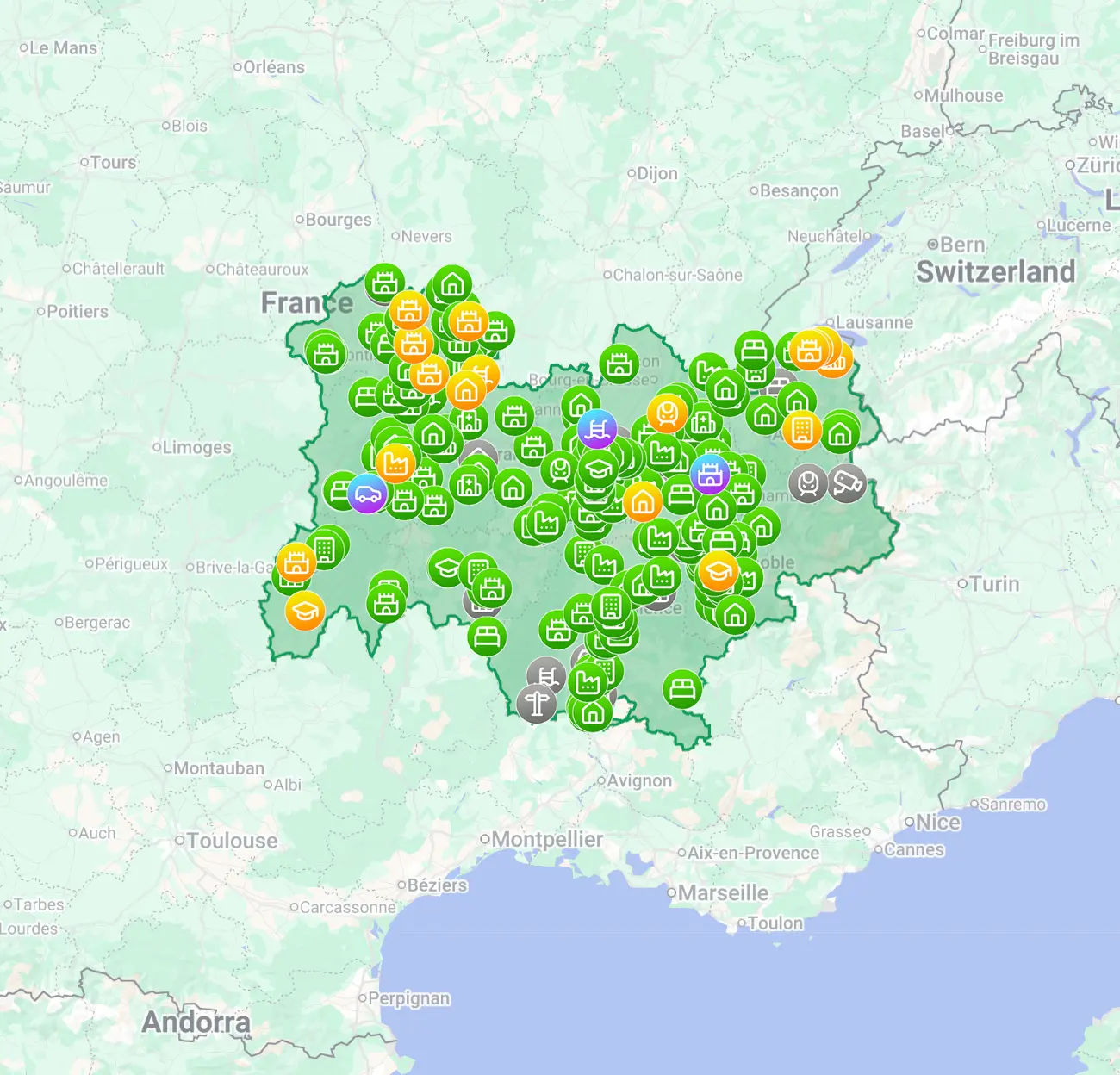
How do you build your own urbex map?
You build your own urbex map by collecting location leads, checking them against multiple sources, scoring their reliability, and storing them in a structured map or database. The most effective process combines mapping tools, note-taking, photo evidence, historical context, and legal caution. A good urbex map is not just a list of pins. It is a maintained research system.
Quick summary
- Start with a simple database before you start pinning everything on a map.
- Use multiple data sources, not a single forum post or social media rumor.
- Rate each location by verification level, access uncertainty, and preservation sensitivity.
- Keep private notes for fragile or recently active sites.
- Review entries regularly because many abandoned places are demolished, secured, or repurposed.
- Use curated resources like Browse all urbex maps to compare your research with verified map structures.
Quick facts
- Goal: create a usable and responsible urbex map, not just collect random coordinates
- Best starting format: spreadsheet or table with categories and verification status
- Core inputs: satellite view, street view, historical records, local reports, photos, and field notes
- Best practice: confirm every lead with at least two independent signals
- Main risk: outdated data, duplicate pins, and overexposed locations
- Responsible rule: never publish sensitive details that could accelerate vandalism or trespassing
Why build a custom urbex map instead of relying on random pins?
A custom urbex map is better than random pins because it lets you control quality. Public lists often mix verified sites, demolished places, urban legends, and misleading coordinates.
A personal system also preserves context. You can track whether a site is a hospital, factory, villa, military site, or transport structure. You can note whether the location is abandoned, partially active, converted, or inaccessible.
This is the same logic behind curated mapping. In Urbex map: how curated maps help plan urban exploration routes, the key idea is that a map becomes useful when it is filtered, reviewed, and maintained.
What data sources are most useful for building an urbex map?
The most useful data sources are the ones that help you verify both existence and current status. In practice, that means combining visual evidence, historical information, and recent local signals.
A single source rarely tells the full story. A rooftop photo may confirm a structure exists, but not whether it is abandoned. An old article may describe closure, but not later redevelopment. Good mapping comes from overlap.
| Data source | What it helps confirm | Strength | Limitation |
|---|---|---|---|
| Satellite imagery | Building footprint, site size, surrounding access roads | Fast visual overview | Often outdated |
| Street-level imagery | Exterior condition, fences, signage, activity | Useful for first screening | Coverage may be old or missing |
| Historical archives and news | Closure date, ownership changes, industrial history | Adds context and credibility | Not always current |
| Local forums and photo reports | Recent observations, interior condition, demolition risk | Good for updates | Quality varies a lot |
| Your own notes and GPS logs | Real visit timing, route notes, visible hazards | Highly actionable | Must be kept organized |
| Curated urbex maps | Verified structure, regional clustering, planning support | Efficient starting point | Still needs local review |
When possible, compare your findings with curated references such as Best Urbex Maps in the World: Where to Find Verified Locations. This helps you spot patterns: industrial belts, military zones, shrinking rural towns, or coastal infrastructure sites.
Which tools help you build and maintain an urbex map?
The best tools for an urbex map are the ones that let you collect, sort, verify, and update information quickly. Most explorers do not need a complex GIS stack. They need a clean workflow.
A practical setup usually combines one database tool, one mapping layer, one offline navigation option, and one archive for notes and photos.
1. A spreadsheet is the best starting point
A spreadsheet is the easiest way to build a custom urbex map because it forces structure. You can create columns for country, region, site type, coordinates, verification level, last checked date, legal sensitivity, and source links.
This format also reduces duplication. If you research dozens of places, a spreadsheet helps you see that three different names may actually describe the same factory complex.
2. A map layer helps visualize clusters and routes
A map layer is useful once your data is clean. It turns a list into a geographic pattern and helps you see travel distance, regional density, and route logic.
The key is to map only reviewed entries. If you import unfiltered leads too early, your map becomes noisy and harder to trust.
3. Offline navigation tools are essential in the field
Offline navigation tools matter because many abandoned places are in areas with weak mobile coverage. Saving map tiles or route references before travel prevents last-minute confusion.
These tools should support orientation, not risky behavior. They are for road access, public approach planning, and understanding terrain, not bypassing fences or security.
4. Note-taking apps and photo logs preserve context
A note-taking system is what turns isolated discoveries into long-term knowledge. Record the source, date, observed condition, visible risks, and whether the site appears active, abandoned, or in transition.
Photo logs are especially useful when revisiting a place months later. They show changes in roofing, boarded windows, collapse, vegetation growth, or new redevelopment work.
5. Curated maps save time but still need local verification
Curated maps are valuable because they reduce the noise of raw internet searching. They help you start with a filtered base instead of building from scattered rumors.
That is why many explorers use a hybrid method: maintain a private research map while checking curated resources like Browse all urbex maps. It is faster, and it usually produces cleaner results.
Access the free urbex map
How should you verify, score, and organize each location?
You should verify and organize each location with a simple scoring system. A good map entry should tell you how confident you are, how recent the information is, and how sensitive the place may be.
A practical verification model uses three labels:
- Status confidence: unconfirmed, likely abandoned, confirmed abandoned, converted, demolished
- Freshness: checked this month, checked this year, outdated
- Sensitivity: low, medium, high exposure risk
You can also add a numeric score from 1 to 5. For example, a site with recent photos, matching satellite evidence, and local reports may score 5. A site based on a single old rumor may score 1.
This system matters more than perfect coordinates. In urbex mapping, reliability is often more important than precision.
What information should each urbex map entry contain?
Each urbex map entry should contain enough detail to support planning and future verification. If an entry only has a name and a pin, it will become weak very quickly.
Use a standard template for every location:
- Site name and alternate names
- Country, region, and nearest town
- Site type such as factory, hospital, school, hotel, military, transport, or residential
- Coordinates or approximate area
- Verification level
- Last checked date
- Main evidence sources
- Notes on current condition
- Legal or safety concerns
- Preservation sensitivity
This is where many explorers fail. They collect many locations but do not document why they believe those places are still relevant.
What are the most reliable methods for urbex mapping over time?
The most reliable urbex mapping methods are repeatable ones. You need a process that still works after 50, 100, or 500 entries.
A strong long-term workflow usually looks like this:
- Collect raw leads from articles, archives, local mentions, and visual clues.
- Remove duplicates and false positives.
- Add source notes before adding a map pin.
- Assign a verification score.
- Review old entries on a regular schedule.
- Archive demolished or converted sites instead of deleting them.
Archiving is underrated. Old industrial, military, or institutional sites often help explain regional patterns even after they disappear.
If you work internationally, local culture also matters. For example, etiquette around haikyo research is different from European factory exploration. Urbex Tokyo: A Responsible Guide to Haikyo and Abandoned Places in Japan is a good example of why regional context should be part of your mapping method.
How can you build an urbex map responsibly and legally?
You can build an urbex map responsibly by treating it as research, not as a shortcut to access. Responsible mapping avoids publishing details that could increase trespassing, theft, arson, or vandalism.
That means being selective. Fragile churches, schools with surviving archives, or private medical sites may need private notes instead of public pins. A preservation-first map protects places as well as explorers.
Legal conditions vary by country and property status. Always check local rules, private property boundaries, and active-use signs. MapUrbex does not encourage forced entry, trespassing, or unsafe exploration.
How does a curated map complement your own research?
A curated map complements your own research by giving you a cleaner baseline. It helps you spend less time sorting low-quality leads and more time reviewing meaningful locations.
Your own database is still essential because it contains your notes, your verification dates, and your regional knowledge. The best approach is not curated map versus personal map. It is curated map plus personal research.
If you want to compare methods, start with Best Urbex Maps in the World: Where to Find Verified Locations and Urbex map: how curated maps help plan urban exploration routes. Together, they show why structure matters more than quantity.
FAQ
Should you keep your urbex map private or public?
A mixed approach is usually best. Keep sensitive notes private, especially for fragile or recently active sites. Share only what does not increase risk to places or people.
How often should you update an urbex map?
You should review active entries regularly because abandoned places change fast. A six to twelve month review cycle is reasonable for most regions. High-turnover urban zones may need more frequent checks.
Which data source is usually the most reliable?
No single source is reliably enough on its own. The best results come from overlap between imagery, local reports, historical context, and your own documented observations. Multiple weak signals can become strong when they agree.
What should you never include in a public urbex map?
Do not include details that make trespassing or damage easier. That can include exact entry methods, security gaps, alarm information, or vulnerable private-site documentation. Responsible maps inform research without exposing places.
Is a curated map still useful if you already have your own map?
Yes, because curated maps help you benchmark your research. They can reveal missing regions, duplicated assumptions, or better route planning logic. They are most useful when combined with your own verification notes.
Conclusion
Building your own urbex map is less about collecting pins and more about building a reliable research system. The best results come from combining structured data, repeatable verification, and a preservation-first mindset.
If you want a faster starting point, use curated resources to reduce noise, then add your own notes, scores, and updates over time. That method is efficient, more accurate, and more responsible.
Access the free urbex map
