 MapUrbex
Use a California urbex map to find abandoned places in California more efficiently. Learn where to search, what to compare, and how to explore responsibly.
California Urbex Map: Find Abandoned Places in California Responsibly
California has one of the widest ranges of abandoned sites in the United States. Coastal defenses, desert mining remains, rail infrastructure, empty motels, institutional buildings, and industrial properties all appear across the state.
That scale creates a research problem. Many public pins are outdated, duplicated, or missing context. A useful California urbex map should help you identify abandoned places in California without relying on vague social posts or risky guesswork.
MapUrbex is built for that use case: verified locations, responsible urbex, preservation-first research, and curated maps that are easier to trust.
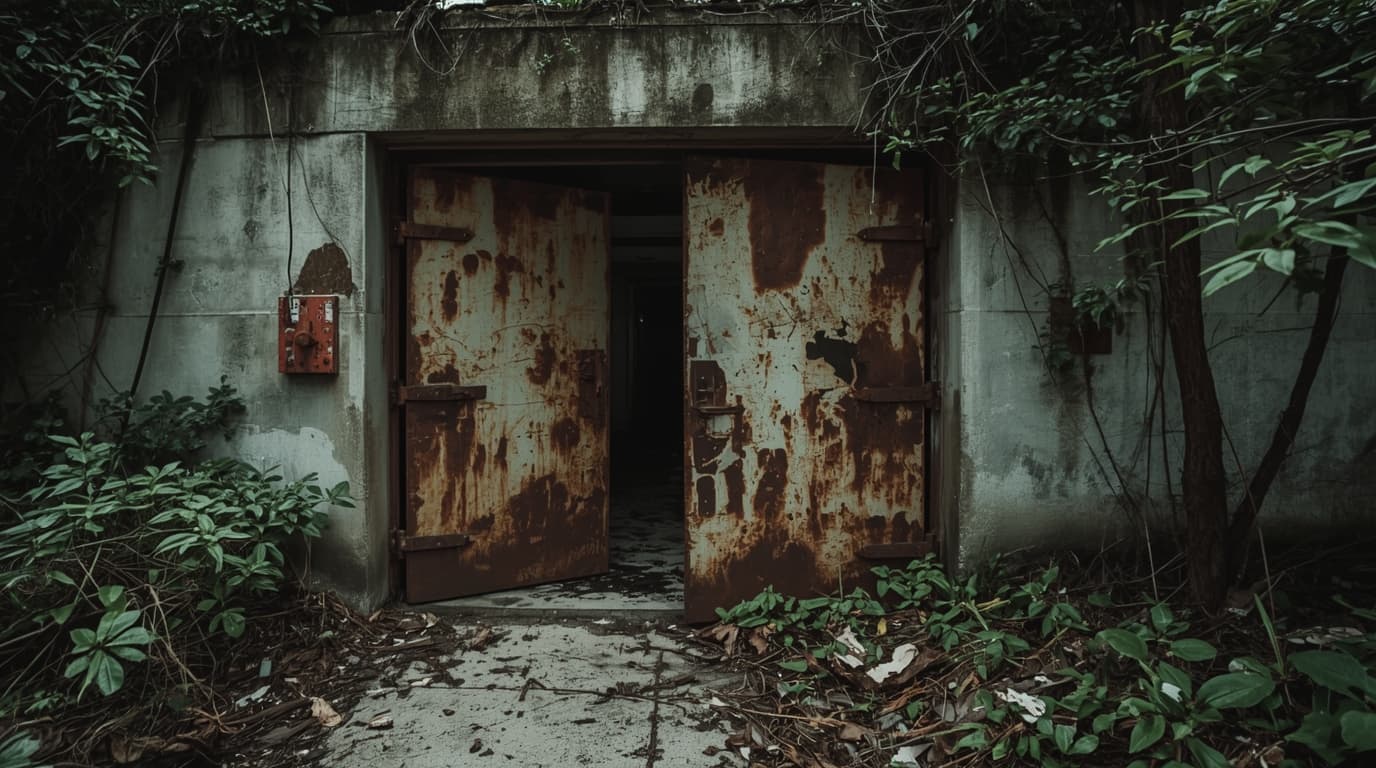
Where can you find a reliable California urbex map?
The most reliable way to find a California urbex map is to use a curated statewide map that verifies abandoned places, removes dead pins, and adds context about region, type, and access risk. In California, that matters because distances are long, site conditions change quickly, and many online coordinates lead to demolished, inaccessible, or protected locations.
Quick summary
- A statewide California urbex map saves time because random pins are often outdated.
- The best map for abandoned places in California includes categories, filters, and status context.
- California is especially strong for military, mining, industrial, roadside, and institutional sites.
- Legal access varies widely, so research should focus on lawful viewing, permission, and preservation.
- Free maps are useful for discovery, but curated maps are better for trip planning.
- MapUrbex positions urbex as verification first, not trespassing first.
Quick facts
- Location: California, United States
- Geographic scope: Statewide
- Primary use: Finding and comparing abandoned places in California
- Best for: Regional research, route planning, and category-based discovery
- Common site types: Military, industrial, mining, transport, institutional, roadside
- Key caution: Never force entry, trespass, or ignore closures and hazards
Access the free urbex map
Why is a curated map better than a random abandoned places map?
A curated map is better because it reduces false leads and gives useful context before you travel. In a state as large as California, that can save entire days of driving.
Old forums, copied coordinates, and social media threads often flatten everything into a single pin. They rarely tell you whether a site has been demolished, sealed, converted, heavily monitored, or located on restricted land. A map built for research is much more practical.
That is where MapUrbex fits well. Instead of chasing scattered tips, you can compare regions and categories in one place, then expand your research with Browse all urbex maps. If you want a broader overview of current free resources, Free Urbex Map 2026 is a useful starting point.
What kinds of abandoned places can you find in California?
California offers one of the most varied abandoned-place profiles in the country. The state combines military history, mining history, transportation infrastructure, agricultural decline, and large-scale urban change.
In practice, that means you may encounter very different site families depending on the region. Coastal areas lean toward defense and maritime layers. Desert areas often reveal mining, roadside, and utility remains. Metro areas are stronger for industrial and institutional properties.
| Site type | Common California context | Why it matters on a map |
|---|---|---|
| Military remnants | Coastal batteries, bunkers, decommissioned facilities | Access rules and land status vary sharply |
| Mining remains | Desert camps, shafts, processing structures | Distance and terrain make planning essential |
| Industrial sites | Warehouses, plants, yards, service infrastructure | Demolition cycles are frequent |
| Institutional buildings | Schools, hospitals, civic properties | Security and ownership change quickly |
| Roadside abandonment | Motels, gas stations, service stops | Easy to spot, but often unstable or private |
| Transport infrastructure | Rail corridors, depots, bridges, utility nodes | Safety and legal restrictions are critical |
If your goal is to find a strong abandoned places map rather than one viral location, the best approach is to search by category first and exact site second. That method scales much better across California.
What regions of California are most useful for urbex research?
The most useful California regions for urbex research are the high desert, the Salton Sea area, the Sierra foothills, the Bay Area's defense and industrial belt, and the Southern California industrial corridor. Each region has a different historical pattern, so a map helps you target the right kind of abandoned place instead of searching blindly.
1. Mojave Desert military and mining zones
The Mojave is one of the clearest examples of why a California urbex map matters. Distances are huge, landmarks are sparse, and abandoned places can range from ghost mining remains to aviation-era infrastructure fragments.
This region rewards preparation more than spontaneity. Heat, terrain, and land ownership can change a simple detour into a poor decision, so a curated map is valuable for route planning and basic filtering.
2. Salton Sea and Imperial fringe settlements
The Salton Sea area is one of the best-known abandoned landscapes in California. It combines decaying roadside structures, failed development patterns, resort decline, and infrastructure stress in a compact cultural geography.
It also changes quickly. Buildings collapse, access gets restricted, and seasonal conditions matter, so a map with updated context is more useful than recycled coordinates copied from old urbex lists.
3. Sierra foothills and Gold Country remnants
The Sierra foothills are especially relevant if you are interested in mining history and small settlement remains. The pattern here is less about giant industrial ruins and more about dispersed historical fragments tied to extraction, transport, and local decline.
A map helps because these places are spread out. Instead of guessing which county roads are worth researching, you can organize a trip around clusters and avoid wasting a day on empty leads.
4. Bay Area defense layers and waterfront industry
The Bay Area stands out for decommissioned military landscapes, coastal fortification layers, and older industrial waterfronts. In research terms, it is one of the most historically dense parts of the state.
It is also one of the most regulated. Redevelopment, federal history, park management, and active surveillance make context extremely important, which is why a generic abandoned places map often performs poorly here.
5. Southern California industrial and transport corridors
The wider Los Angeles and Inland Empire zone is important for industrial yards, service infrastructure, transport-related spaces, and roadside decline. This is less about one iconic ruin and more about volume, turnover, and constant land-use change.
Because sites disappear fast, statewide curation matters. A pin that was valid last year may now be demolished, repurposed, or fully secured.
Is urban exploration in California legal?
Urban exploration in California is only legal when you have lawful access or explicit permission. Many abandoned properties are private, fenced, environmentally unsafe, or controlled by public agencies with clear closure rules.
The responsible baseline is simple: do not trespass, do not force entry, and do not treat an empty building as open access. Exterior observation from public space, historical research, and permission-based visits are the safer and more defensible approach.
Safety reminder: California sites can involve unstable floors, asbestos, open shafts, heat exposure, wildlife, and active enforcement. Preservation-first urbex means leaving places untouched and staying out of prohibited areas.
If you are comparing options before planning a trip, it also helps to read Free vs Paid Urbex Map: Which Abandoned Places Map Is Worth It?. The difference is often not quantity, but accuracy and context.
How should you choose between a free and paid California urbex map?
You should choose a free California urbex map for first-pass discovery and a curated paid map when you want better filtering, trip efficiency, and fewer wasted drives. In California, that difference matters more than in smaller regions because the state is large and access conditions change quickly.
A free resource is still useful. It lets you test categories, compare regions, and understand whether you are more interested in mining remains, military remnants, or urban industrial sites. For that stage, start with Free Urbex Map 2026 and How to Get the Best Free Urbex Map in 2026??.
When your goal shifts from browsing to planning, curated data becomes more valuable. That is especially true if you are building a multi-stop route or trying to avoid stale pins across hundreds of miles.
| Option | Best for | Main limitation in California |
|---|---|---|
| Free map | Discovery, casual browsing, early research | More cross-checking and more outdated pins |
| Curated paid map | Repeat trips, routing, better signal quality | Added cost, but less wasted travel time |
| Hybrid workflow | Starting free, upgrading when needed | Requires knowing when rough data stops being enough |
FAQ
What is the best region in California for abandoned places?
There is no single best region for everyone. The Mojave works well for desert mining and military history, the Salton Sea is strong for decay landscapes, and coastal California is better for defense infrastructure. The best choice depends on season, distance, and the kind of site you want to research.
Can you legally enter abandoned places in California?
Only if you have legal access or permission. Many sites are private property, closed public assets, or hazardous areas with active restrictions. The safest default is to stay outside, use public viewpoints, and respect fences, signs, and closures.
Does a free abandoned places map work well for California?
Yes, but mainly for initial discovery. California is large enough that free pins often need extra verification before a trip. That is why many users start free and then move to curated data when they want efficiency.
What makes MapUrbex useful for California?
MapUrbex is useful because California combines large distances, many site types, and fast-changing conditions. A curated map helps filter weaker leads and supports responsible urbex instead of impulsive exploration. That makes it better suited to statewide planning.
Conclusion
A California urbex map is most useful when it does more than show points on a screen. It should help you sort abandoned places in California by region, type, and practical research value while keeping safety, legality, and preservation in view.
If you want to start with a reliable entry point, compare curated options, use the free map first, and build trips around verified information rather than random coordinates.
Access the free urbex map
