 MapUrbex
A clear comparison of the best urbex maps in 2026, including curated maps, free tools, community platforms, and the key criteria for finding abandoned places more efficiently.
Best Urbex Maps in 2026: Compare the Top Tools and Platforms
Finding the best urbex maps in 2026 is no longer just about getting more pins. It is about finding better data, clearer context, and tools that help you plan responsibly.
The strongest maps now separate verified locations from outdated rumors. They also help users understand access limits, legal context, route logic, and whether a place is still worth researching.
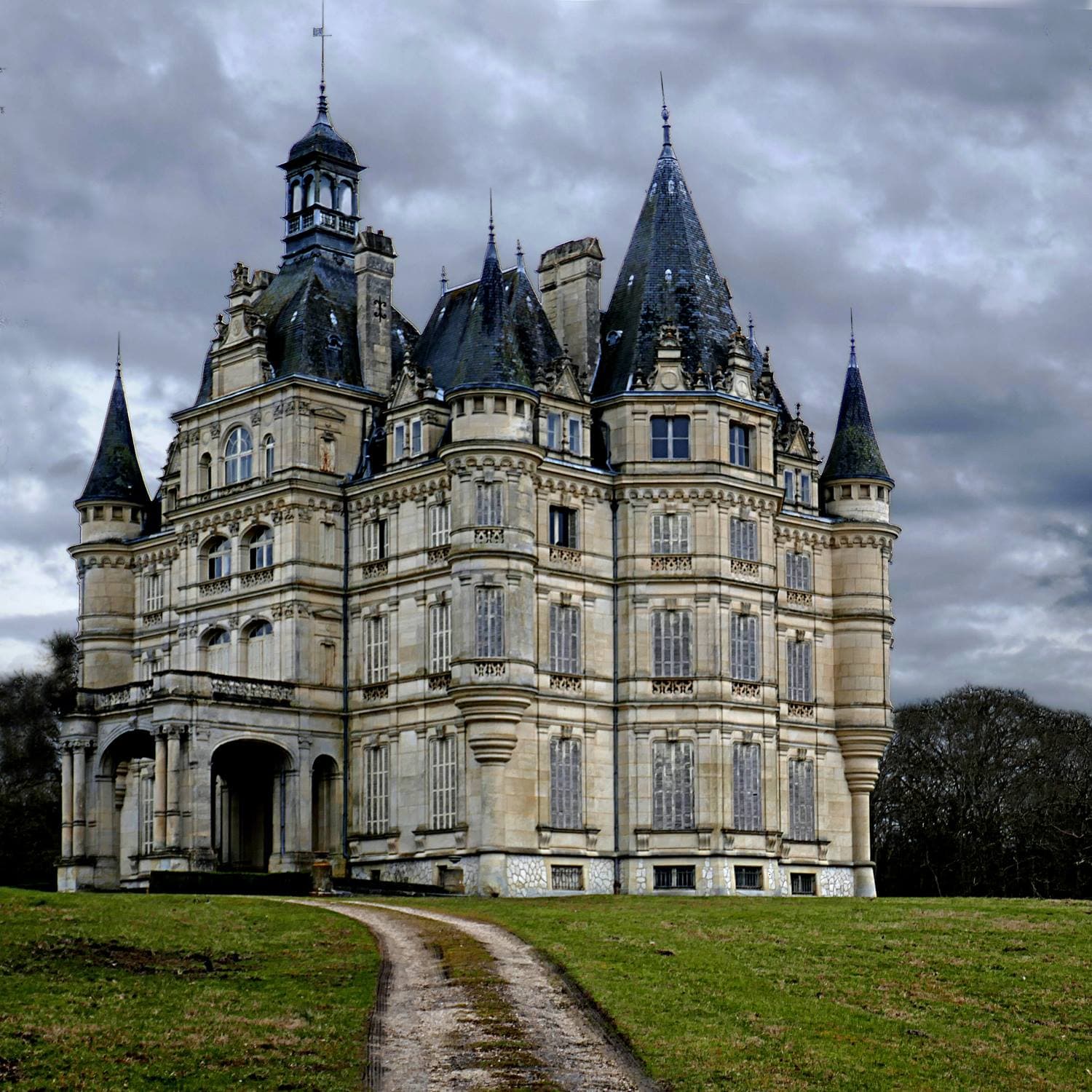
Which are the best urbex maps in 2026?
The best urbex maps in 2026 are curated, verification-first platforms that prioritize reliable abandoned-place data over raw volume. In practice, the most useful setup is usually a curated urbex map, a free starter map for broad scanning, and a personal planning workflow that checks legality, recent changes, and safe observation points.
Quick summary
- The best urbex maps in 2026 prioritize verified locations, not just large pin counts.
- Curated maps usually save more time than open community pinboards.
- Free maps are useful for discovery, but they often need extra checking.
- Satellite context, route notes, and local research improve planning quality.
- A good map of abandoned places should include status clues, not only coordinates.
- Responsible urbex always requires legal awareness, permission when needed, and preservation-first behavior.
Quick facts
- Scope: Global
- Topic: Best urbex maps, tools, and platforms in 2026
- Search intent: Informational
- Best for: Comparing curated maps, free maps, and research workflows
- Primary keyword: best urbex maps 2026
- Related topics: urbex map comparison, urbex tools, urbex platforms, map of abandoned places
What makes the best urbex maps in 2026?
The best urbex maps in 2026 are the ones that reduce uncertainty. A useful map does more than show a point on a screen. It helps you judge whether the location is still abandoned, whether the information is recent, and whether the place can be researched without unsafe or unlawful behavior.
A strong urbex platform usually has five traits: curation, freshness, context, filtering, and planning value. Curation removes obvious noise. Freshness matters because abandoned sites change quickly. Context explains what the building is and why it matters. Filtering helps users sort by region or type. Planning value means the map supports route building, note-taking, and responsible decision-making.
If you want a broader directory of options, start with Browse all urbex maps. For a deeper explanation of why curation matters, see Urbex map: how curated maps help plan urban exploration routes.
| Map type | Main strength | Main limitation | Best use |
|---|---|---|---|
| Curated urbex map | Higher signal quality | Smaller volume than open pinboards | Serious trip planning |
| Free starter map | Fast overview | Less context and verification | Early research |
| Community platform | Large quantity of leads | Outdated and duplicate data | Idea generation |
| Satellite/context tools | Visual confirmation | Not a true urbex database | Access and surroundings review |
| Personal planning system | Tailored workflow | Takes time to maintain | Multi-stop route building |
What are the 5 best urbex map types to compare in 2026?
The five most useful urbex map types in 2026 are curated maps, free starter maps, community-driven platforms, satellite context tools, and personal route-planning systems. Each solves a different problem, and the best results usually come from combining them rather than relying on one source.
1. Curated verification-first urbex maps
Curated verification-first urbex maps are usually the best choice for people who want less noise and more dependable research. They focus on selecting places with stronger evidence, clearer categories, and better planning value than open pin dumps.
This model fits the MapUrbex approach: verified locations, responsible exploration, and preservation-first use. If you want examples of how this works at a broader level, read Best Urbex Maps in the World: Where to Find Verified Locations. You can also Browse all urbex maps to compare curated map options by use case.
2. Free starter maps
Free starter maps are useful because they lower the barrier to entry. They help beginners understand what an urbex map looks like, how regions differ, and how a basic abandoned-place search can be organized.
Their limitation is depth. A free map may show general opportunities, but it often needs a second layer of checking before a location becomes a realistic research target. If you want a starting point, use the free option below and then validate each lead with current context.
Access the free urbex map
3. Community-driven platforms
Community-driven platforms are best for idea generation, not final decision-making. They often contain a large number of abandoned-place leads, but quantity does not equal accuracy.
In 2026, the main challenge with open community platforms is data decay. A pin can stay online long after a building has been demolished, sealed, converted, or become too sensitive to share responsibly. That is why community maps work best as a first hint, followed by stricter checking in curated tools and local research.
4. Satellite and context tools
Satellite and context tools are best for confirming surroundings, not for proving that a place is suitable for exploration. They help you understand road access, neighborhood density, nearby active uses, and whether a location still appears structurally recognizable.
These tools become especially important in regions where cultural context matters. For example, the etiquette and sensitivity around abandoned places in Japan differ from many Western urbex habits. For that reason, Urbex Tokyo: A Responsible Guide to Haikyo and Abandoned Places in Japan is a useful example of why local context should always accompany mapping data.
5. Personal route-planning systems
Personal route-planning systems are often the missing layer in urbex workflows. Even the best urbex map does not replace your own notes, timing decisions, backup options, and legality checks.
A practical system can be simple: shortlist, region tags, observation points from public space, timing notes, and status confidence. This is where many explorers turn a loose map of abandoned places into a realistic, lower-waste itinerary. Curated maps give structure; personal planning turns structure into decisions.
How do curated maps compare with open community platforms?
Curated maps usually outperform open community platforms when the goal is efficient planning. They contain fewer entries, but the average entry is often more useful because it has been filtered, categorized, and reviewed with stronger quality control.
Open platforms can still be valuable. They are good at surfacing obscure leads and showing patterns across regions. The trade-off is that users must spend more time removing false positives, duplicates, and stale information.
A simple comparison helps:
- Choose curated maps when you want reliability, route planning, and better signal quality.
- Choose community platforms when you want broad discovery and do not mind heavy filtering.
- Use both together when you want scale first and accuracy second.
Which tools help you find a map of abandoned places without wasting time?
The best way to find a useful map of abandoned places without wasting time is to combine three layers: a curated urbex map, a quick free scanning tool, and a personal review process. That approach keeps discovery broad while keeping final planning selective.
A practical workflow looks like this:
- Start with a curated source that already removes obvious low-quality leads.
- Use a free map to widen the search when your target area has limited options.
- Review recent context, access surroundings, and legal limits before adding the place to your route.
That is also why articles like Urbex map: how curated maps help plan urban exploration routes matter. The real time saver is not the map alone. It is the reduction of bad leads.
How should urbex platforms be used responsibly and legally?
Urbex platforms should be used as research tools, not as permission substitutes. A map can help identify a place, but it does not grant lawful access, guarantee safety, or confirm that a location remains appropriate to visit.
Responsible use means checking local law, respecting private property, avoiding forced entry, and never treating a pin as an invitation to trespass. It also means protecting sensitive sites from unnecessary exposure and favoring documentation over disruption.
A verified location is still not a free-access location. Always check legal status, visible conditions, and whether the place can be observed or researched without trespassing or harm.
For ongoing comparison, you can Browse all urbex maps or start with the free option below.
Access the free urbex map
FAQ
What is the best urbex map for beginners?
The best urbex map for beginners is usually a curated platform with clear categories and fewer but stronger leads. That reduces confusion and limits time spent checking bad data. A free starter map is also useful, but it works best when paired with verification.
Are free urbex maps enough in 2026?
Free urbex maps are enough for initial discovery, but they are rarely enough for final planning on their own. They tend to provide less context and less quality control than curated platforms. In 2026, the gap between discovery data and usable planning data remains important.
How often do abandoned place maps become outdated?
Abandoned place maps can become outdated very quickly. Buildings are demolished, renovated, sealed, reoccupied, or watched more closely than before. This is why freshness and recent context are core evaluation criteria in any urbex map comparison.
Can a verified location still be closed or unsafe?
Yes. Verification usually means the place was checked against stronger evidence, not that it is permanently accessible or safe. Conditions can change between updates, which is why every location still needs current review and a conservative approach.
Is one global map better than regional research?
No single global map replaces regional research. A global map helps with discovery and comparison, but local context explains law, access sensitivity, and cultural norms. The strongest workflow combines broad map coverage with local checking.
Conclusion
The best urbex maps in 2026 are not the ones with the most pins. They are the ones that help users filter noise, assess current relevance, and plan with a responsible, preservation-first mindset.
For most people, the best setup is a curated map for quality, a free map for range, and a personal planning system for final decisions. That combination is more reliable than chasing raw volume alone.
Access the free urbex map
