 MapUrbex
A global top 10 of abandoned theaters and cinemas for urbex, with photos, history, safety notes, and responsible research advice.
Abandoned Theaters and Cinemas: Top 10 Urbex Sites with Photos and History
Abandoned theaters and cinemas are a distinct urbex niche. They combine decorative architecture, social memory, and visible decline in one space. A silent auditorium can reveal how a city changed more clearly than many industrial ruins.
This article is a cultural reference list, not an entry guide. Status changes fast, and some sites below are restored, sealed, repurposed, or protected. MapUrbex recommends verified research, lawful access, and preservation-first exploration.
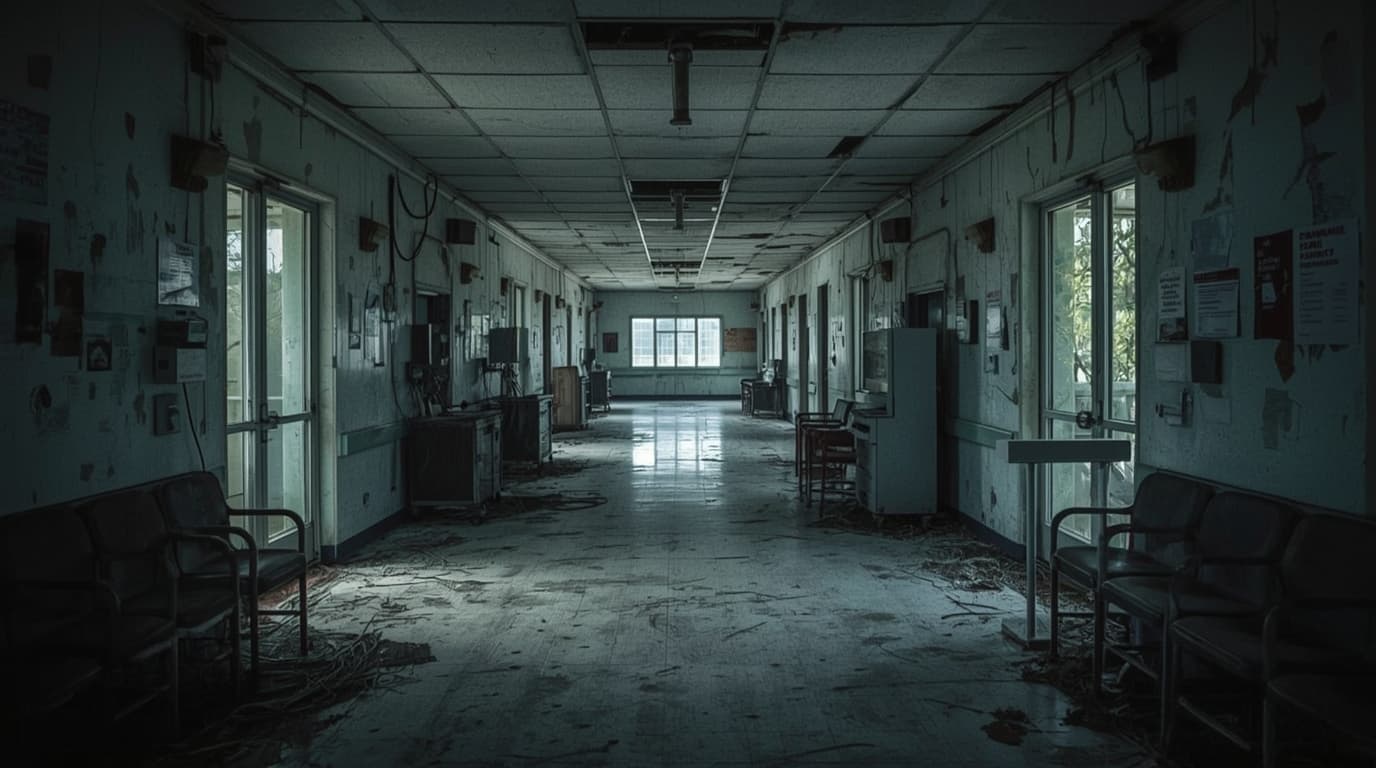
What are the most iconic abandoned theaters and cinemas for urbex?
The most iconic abandoned theaters and cinemas in urbex are usually early 20th-century movie palaces or civic theaters with ornate interiors and long periods of closure. The best-known examples became famous because photographers documented their architecture and history, not because they were easy or lawful to enter.
| Site | Country | Type | Why it is cited | Status note |
|---|---|---|---|---|
| Orpheum Theatre, New Bedford | USA | Movie palace | Lavish interior and long closure | Long-closed; status can change |
| Metropolitan Opera House, Philadelphia | USA | Opera house | Monumental scale and layered history | Stabilized after decades of neglect |
| Kings Theatre, Brooklyn | USA | Movie palace | Famous abandoned-era photo archive | Restored |
| Michigan Theatre, Detroit | USA | Former movie palace | Unusual afterlife as a ruin image | Repurposed |
| Palace Theatre, Gary | USA | Movie palace | Strong link to urban decline imagery | Derelict status has varied |
| Loew's Valencia Theatre, Queens | USA | Theatre and cinema | Ornate interior and reuse history | Repurposed |
| Teatro Sociale di Gualtieri | Italy | Municipal theatre | Volunteer-led rescue story | Restored |
| Teatro Rossi, Pisa | Italy | Historic theatre | Long closure and civic debate | Status has evolved |
| Teatro Gerolamo, Milan | Italy | Historic theatre | Closure followed by careful restoration | Restored |
| Le Louxor, Paris | France | Cinema | Distinctive design and rebirth story | Restored |
Quick summary
- Many famous abandoned cinemas in photo archives are former ruins that were later restored or repurposed.
- The strongest urbex images usually center on the stage, seating grid, balcony line, ceiling plaster, and projection booth.
- Historic theaters are often more legally sensitive than they look because they may be protected, monitored, or privately owned.
- Floors, balconies, catwalks, and water-damaged plaster make these sites high-risk.
- Responsible urbex means research first, no forced entry, and no sharing of harmful access details.
Quick facts
- Most iconic venues in this niche were built between the 1900s and 1930s.
- Common visual motifs include velvet seats, proscenium arches, mural ceilings, ticket booths, and old signage.
- Common hazards include rot, falling plaster, mold, asbestos, broken stairs, and hidden drops.
- Documentation is usually strongest in North America and Europe because more archives and restoration records are public.
- MapUrbex focuses on verified locations, curated maps, and preservation-first practice.
Why do abandoned theaters and cinemas fascinate urbex photographers?
They fascinate photographers because they compress spectacle and decline into the same room. A theater was designed to direct attention, so even in decay it still frames light, symmetry, and scale better than many factories or offices.
They also carry social history. These buildings once hosted films, concerts, speeches, and local rituals. When they close, the empty seats become evidence of economic change, suburbanization, new media habits, or failed preservation.
Which 10 abandoned theaters and cinemas tell the strongest stories?
The strongest stories usually come from places where architecture, decline, and reuse all intersect. The list below mixes long-abandoned venues with former ruins that later became restored or repurposed, because their abandoned phase shaped urbex photography and urban memory.
-
Orpheum Theatre, New Bedford, USA Opened in 1912, this movie palace is one of the most cited abandoned theaters in American urbex photography. Its survival as a long-closed shell made it a recurring reference point in preservation debates.
-
Metropolitan Opera House, Philadelphia, USA Built in 1908, this enormous venue shows how elite cultural buildings can pass through multiple lives, including decline, vacancy, and stabilization. Its scale makes it a landmark in the history of abandoned places.
-
Kings Theatre, Brooklyn, USA Kings Theatre became famous online during its years of closure because its interior still suggested former grandeur. It matters today as a reminder that some of the best-known urbex photos document places before restoration.
-
Michigan Theatre, Detroit, USA This former movie palace is frequently cited because its transformation into a parking structure created one of the strangest afterlives in cinema architecture. It is less a pure abandoned site than a powerful ruin image.
-
Palace Theatre, Gary, USA Gary's urban decline gave this theater symbolic weight far beyond its footprint. In urbex culture, it represents the overlap between entertainment history and post-industrial disinvestment.
-
Loew's Valencia Theatre, Queens, USA Its ornate interior helped preserve the memory of a movie-palace era even as its use changed over time. The venue is often referenced in discussions of reuse rather than simple abandonment.
-
Teatro Sociale di Gualtieri, Italy This theater is important because local volunteers helped rescue it after decades of neglect. It shows that abandoned theaters are not only about decay; they are also about community restoration.
-
Teatro Rossi, Pisa, Italy Long closure gave this historic theater symbolic value in debates about culture, ownership, and public use. It is a good example of how an abandoned venue can become a civic question.
-
Teatro Gerolamo, Milan, Italy Prolonged closure, delicate interiors, and eventual restoration turned this small theater into a preservation story rather than a ruin fantasy. That arc is central to responsible urbex reading.
-
Le Louxor, Paris, France This Egyptian Revival cinema is widely cited because its abandoned phase was visually striking and its rebirth was equally important. It proves that abandoned cinemas can move from neglect to high-value restoration.
How can you document abandoned theaters and cinemas responsibly?
Responsible documentation starts with accepting that some sites should not be entered at all. If access is not legal, not safe, or clearly not permitted, the right decision is to stay outside, document the exterior, or move on.
Good practice is simple:
- Research ownership and current status.
- Prefer public viewpoints, authorized visits, or venues open during restoration events.
- Never force doors, windows, shutters, or fire exits.
- Do not climb stages, balconies, rigging, or catwalks without explicit authorization and proper safety controls.
- Do not move props, seats, posters, or debris for a better shot.
- Avoid publishing entry methods or fresh coordinates for fragile sites.
For broader planning, see Browse all urbex maps and How to Find Real Abandoned Places Near You in 2026 (Without Wasting Time).
What legal and safety issues matter most at former theaters and cinemas?
The main issues are ownership, structural instability, and hidden fall hazards. Grand interiors can look intact while balcony edges, orchestra pits, stairs, basements, and ceiling plaster are already unsafe.
Many venues are also heritage assets. That usually means they are more sensitive to damage, more visible to neighbors, and more likely to be monitored. In France-specific cases, Is Urbex Legal in France in 2026? gives the legal framework.
FAQ
Are abandoned theaters and cinemas usually better preserved than factories?
Sometimes, but not reliably. Decorative interiors can survive visually while floors, roofs, and hidden support elements deteriorate badly. A beautiful room is not a safe room.
Can you legally photograph a closed cinema from the street?
In many places, yes, if you stay in public space and respect local privacy rules, security instructions, and event restrictions. Exterior photography is often the safest and most responsible option.
Why are balconies, stages, and projection booths high-risk areas?
These zones combine height, rotten flooring, narrow passages, hidden drops, and unstable fixtures. Projection rooms may also contain sharp metal, broken glass, and hazardous residues.
Should you share exact coordinates of a fragile historic theater?
Usually no. Exact location sharing can accelerate theft, vandalism, and unsafe copycat visits. Preservation-first research is better than viral exposure.
Are abandoned shopping malls similar to abandoned cinemas for urbex?
They overlap in atmosphere, but malls are usually larger, brighter, and more circulation-based, while cinemas are more theatrical and fragile. For comparison, read Abandoned Shopping Malls for Urbex: 15 Places to Visit Responsibly.
Conclusion
Abandoned theaters and cinemas matter because they record both cultural ambition and urban change. The best urbex work on these places treats them as historical documents, not disposable backdrops.
If you want to research places more efficiently, use verified sources, respect the law, and prioritize preservation over access.
Access the free urbex map
