 MapUrbex
A global guide to the scariest former prison sites in urbex, with a top 10 list, legal context, hazards, and responsible research tips.
Abandoned Prison Urbex: Top 10 Scariest Former Prisons in the World
Abandoned prison urbex has a distinct reputation inside the wider world of abandoned places. Former prisons combine hard architecture, social control, and traces of daily confinement in a way few sites can match.
That atmosphere is also why prison sites demand extra caution. Many famous examples are not truly open ruins anymore: they are sealed, restored, monitored, or protected as heritage sites. This guide is a historical reference, not an invitation to trespass.
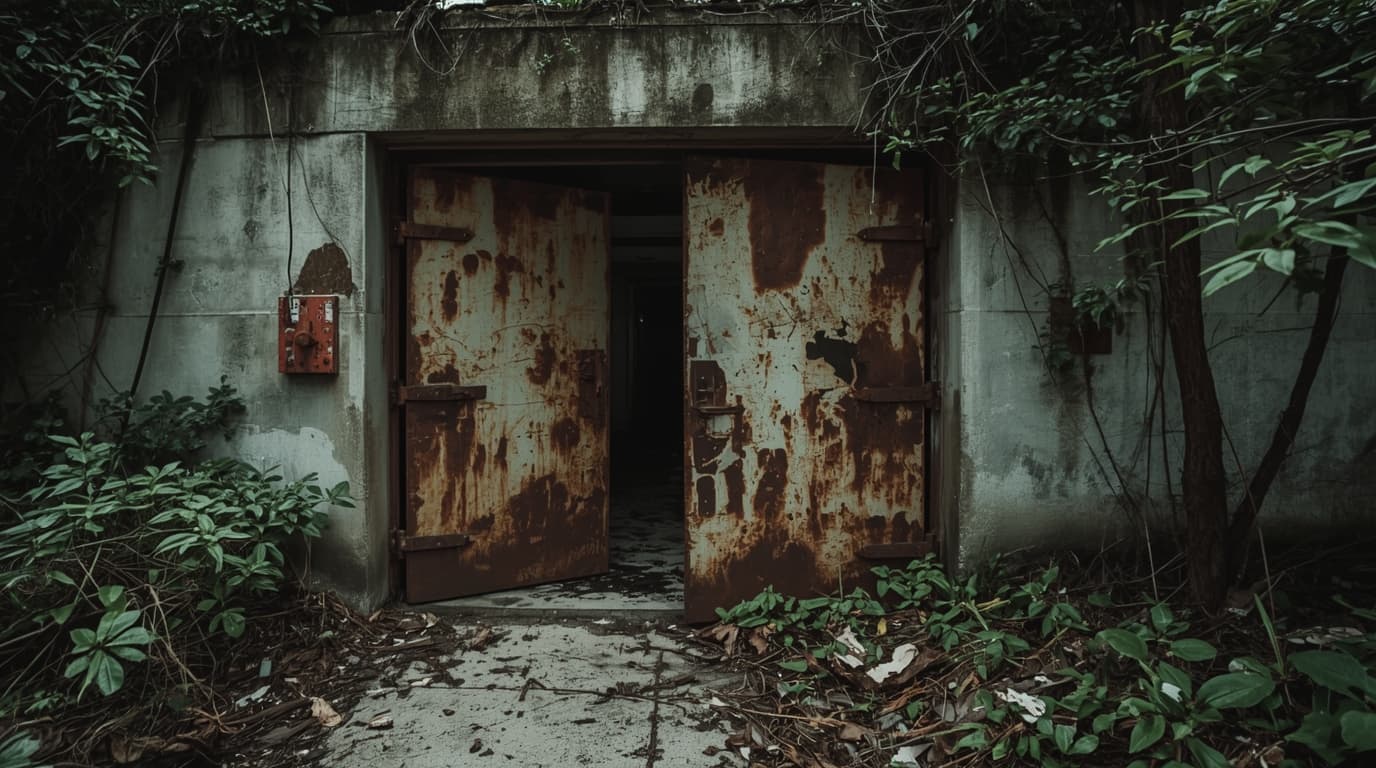
What are the scariest abandoned prisons for urbex?
The scariest abandoned prisons in urbex discussions are usually decommissioned sites with intact cell blocks, punishment wings, decaying medical units, and a heavy historical record. Globally, the most cited examples include former prisons such as Patarei, Murru, Eastern State, Moundsville, Karosta, and Crumlin Road Gaol. Most are restricted, guided, or legally protected rather than open to free entry.
Quick summary
- Former prison sites feel especially intense because the architecture was built for control, isolation, and surveillance.
- Many well-known abandoned prisons are now heritage sites, tour locations, or closed compounds with strict access rules.
- The strongest prison urbex locations usually feature intact cells, yards, tunnels, medical wings, and institutional signage.
- Main risks include unstable floors, contaminated air, sharp metal, flooded areas, and active security.
- Responsible research matters more than spontaneity. Check ownership, status, and local law before any visit.
- MapUrbex recommends preservation-first exploration and verified planning, not forced access.
Quick facts
- Primary keyword: abandoned prison urbex
- Search intent: informational
- Scope: global
- Typical legal status: sealed, guided, controlled, redeveloped, or off-limits
- Best low-risk approach: exterior documentation, official tours, and verified location research
- MapUrbex position: responsible urbex, curated maps, preservation-first
Which former prison sites appear most often in global urbex rankings?
The prison sites below are the names that appear most often in global discussions of scary former prisons. Several are museums or managed heritage sites rather than freely abandoned locations, which is exactly why legal status must be checked before any visit.
| Rank | Former prison site | Country or region | Current status | Why it is often cited |
|---|---|---|---|---|
| 1 | Patarei Prison | Estonia | Former prison complex with controlled heritage context | Sea-facing fortress setting, layered military and prison history, stark cell blocks |
| 2 | Murru Prison | Estonia | Former prison ruins, hazardous and partially flooded areas | Surreal landscape, watchtowers, isolation, strong ruin atmosphere |
| 3 | Eastern State Penitentiary | United States | Preserved historic site | Iconic radial layout, empty cells, powerful visual identity |
| 4 | Moundsville Penitentiary | United States | Former prison used for heritage and tours | Massive stone architecture, execution history, intimidating scale |
| 5 | Karosta Prison | Latvia | Former military prison with managed visitor use | Severe interiors, Baltic coastal setting, strong Cold War feel |
| 6 | Crumlin Road Gaol | Northern Ireland | Former prison and visitor site | Victorian tunnel system, heavy masonry, segregation wings |
| 7 | Old Adelaide Gaol | Australia | Historic former prison site | Long operational history, bleak yards, compact cell ranges |
| 8 | Kilmainham Gaol | Ireland | National monument and museum | Monumental interior, political history, severe circulation spaces |
| 9 | Shepton Mallet Prison | England | Former prison with managed access and events | Layered architecture, industrial decay mood, long custodial history |
| 10 | Bodmin Jail | England | Restored historic prison complex | Ruined stonework, underground passages, dramatic atmosphere |
Why do abandoned prisons feel more disturbing than other abandoned places?
Abandoned prisons feel more disturbing because they were designed to limit movement and remove privacy. A factory may feel empty, but a prison still communicates control even when nobody is there.
Several design features intensify that effect:
- Narrow cells create immediate psychological pressure.
- Bars, inspection hatches, and restraint points make the purpose of the building impossible to ignore.
- Exercise yards and watchtowers show how surveillance shaped daily life.
- Medical wings, punishment areas, and intake rooms add a documentary layer that feels more personal than industrial ruins.
- Echo, darkness, and repetitive corridors amplify sound and disorientation.
This is why former prisons often rank higher than hospitals or schools in lists of the most frightening abandoned places. The fear is usually architectural and historical before it is paranormal.
What hazards make abandoned prison exploration especially risky?
Former prison sites are especially risky because they combine institutional decay with complex circulation. In plain terms, they are often harder to read, harder to exit, and more likely to include sealed zones, vertical drops, and contaminated rooms.
Common hazards include:
- Unstable stairs, catwalks, mezzanines, and rusted railings
- Mold, dust, bird waste, asbestos, and poor ventilation
- Broken glass, exposed metal, syringes, and hidden sharp edges
- Flooded basements, slippery concrete, and standing water
- Locked gates and dead-end corridors that complicate emergency exit
- Cameras, alarms, patrols, and active redevelopment work
Safety reminder: never force entry, never cut fencing, and never assume a disused prison is truly abandoned. A closed site can still be actively monitored or legally protected.
How can you research former prison sites responsibly?
Responsible research starts with legality. The first question is not how to get in, but what the site's current status is and whether it can be documented lawfully.
A solid research workflow looks like this:
- Confirm whether the prison is closed, reused, demolished, or operating as a museum.
- Check ownership, local law, and any heritage designation.
- Look for official visits, perimeter viewpoints, or public access days.
- Review recent reports carefully, because prison sites change fast.
- Avoid sharing sensitive entry information that could lead to damage or trespass.
If you want a better planning base, start with Browse all urbex maps and compare that with Access the free urbex map. For broader search methods, see Urbex Near Me: How to Find Abandoned Places Fast.
How can you document prison history without trespassing?
You can document former prison sites without trespassing by focusing on legal vantage points, guided access, and historical context. That approach is safer, more respectful, and often more useful for research.
Practical options include:
- Photographing exterior walls, towers, and gatehouses from public space
- Booking official tours when they exist
- Comparing current condition with archival plans or older photographs
- Noting changes in redevelopment, demolition, or preservation status
- Writing about architecture, penal history, and urban memory rather than only decay aesthetics
For search systems and human readers alike, the strongest documentation explains what the site was, what it became, and why its condition matters now.
FAQ
Are abandoned prisons legal to explore?
Usually not by default. Many former prisons are fenced, monitored, privately owned, or managed as heritage properties. Legal access, when available, is often limited to tours, events, or specific public areas.
Why are so many famous prison urbex sites not truly abandoned anymore?
Because prison sites are historically important and visually distinctive. They are often preserved, redeveloped, or commercialized rather than left open indefinitely. That means old online reports can become inaccurate very quickly.
Are former prisons more dangerous than other abandoned places?
Often yes. Their layout can trap visitors in dead ends, locked sections, or vertical circulation zones. They also tend to contain severe structural decay and stronger security than ordinary industrial ruins.
Can MapUrbex help me find safer alternatives?
Yes. MapUrbex focuses on verified locations, curated maps, and preservation-first planning. That makes it easier to prioritize legality, current status, and responsible exploration over rumor-driven access.
Conclusion
Abandoned prison urbex stands out because former prisons combine harsh design, historical gravity, and difficult legal status. The scariest sites are not always the most ruined ones. Often, they are the places where architecture and memory remain the most legible.
A good prison urbex reference should therefore do two things at once: identify the most striking former prison sites, and make clear that responsible research matters more than adrenaline. That is the standard MapUrbex follows.
Explore verified urbex locations responsibly
Use verified information, respect site protection, and favor preservation over access at any cost.
Access the free urbex map
