 MapUrbex
Learn how to find abandoned places near you with a practical urbex method: curated maps, smart research, and responsible verification before any visit.
Abandoned Places Near Me: Map, Search and Verification
If you are searching for abandoned places near me, the real challenge is not just discovery. It is separating outdated rumors from usable, verified leads.
The most reliable approach combines a curated urbex map, public-source research, and a careful verification process. That is the method MapUrbex is built around: verified locations, responsible urbex, and preservation-first exploration.
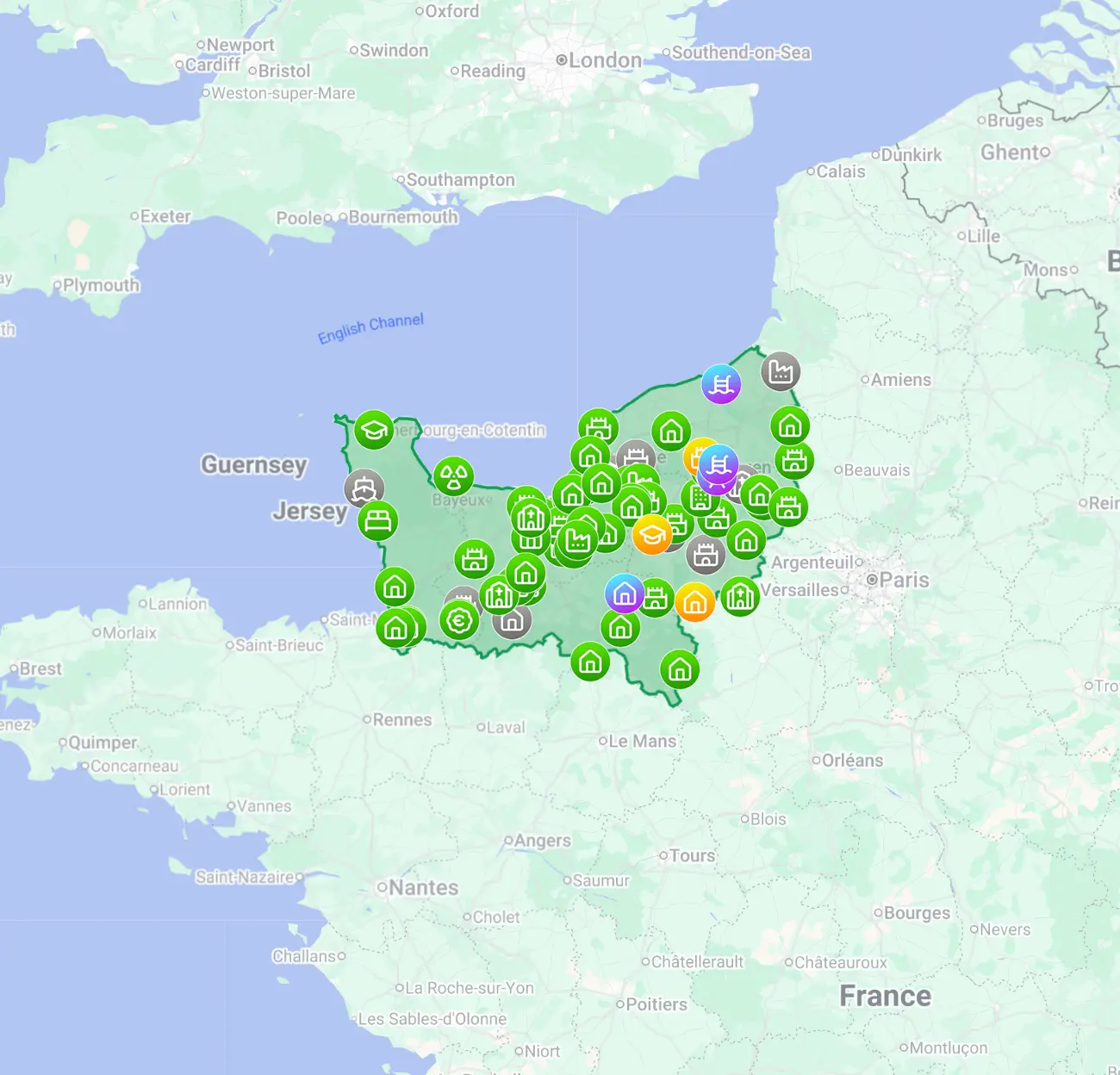
A useful location is not only interesting. It also needs to be recent, legally understood, and checked for access restrictions and safety issues.
How can I find abandoned places near me?
The best way to find abandoned places near you is to start with a curated urbex map, then verify each lead with satellite imagery, recent reports, visible signs of vacancy, and local legal context. This method is faster than random searching and reduces the risk of relying on outdated, unsafe, or restricted locations.
Quick summary
- A curated urbex map is usually the fastest starting point.
- Verification matters more than old forum posts or recycled lists.
- Recent imagery and local context help confirm whether a site is still abandoned.
- Legal status and visible restrictions must be checked before any visit.
- Responsible urbex means no forced entry, no damage, and no disclosure that increases risk.
- MapUrbex focuses on verified locations and preservation-first research.
Quick facts
| Factor | What to check | Why it matters |
|---|---|---|
| Search source | Curated map, local records, recent posts | Reduces false leads |
| Verification | Satellite view, exterior photos, date signals | Confirms the site is still relevant |
| Legal status | Ownership, barriers, signs, restricted zones | Verification is not permission |
| Safety | Structural condition, surroundings, contamination risk | Many abandoned sites are hazardous |
| Best starting point | Verified map entries | Saves time and improves quality |
Which search method works best for finding abandoned places nearby?
The most effective method is a layered search process. Start broad with a map, narrow the list with remote research, then verify the current status before you travel.
A practical workflow looks like this:
- Start with a curated source such as Browse all urbex maps.
- Build a shortlist of locations within your travel radius.
- Review satellite imagery and surrounding land use.
- Look for recent mentions, photos, or visible changes.
- Check whether the place appears active, repurposed, demolished, or sealed.
- Confirm local restrictions before planning any exterior visit.
This approach is more reliable than typing a few keywords into a search engine and following unverified pins.
If you want a search framework, these guides help refine the process: How to Find Abandoned Places with Google Maps and How to Find Abandoned Places Near Me: A Step-by-Step Urbex Method.
How do you verify that a place is really abandoned?
You verify a site by checking multiple independent signals. One photo, one old forum comment, or one map pin is not enough.
Good verification signals include:
- boarded or broken windows combined with long-term vacancy signs
- overgrown access roads or parking areas
- no recent business activity or renovation evidence
- external decay visible across multiple image sources
- repeated reports from different dates pointing to the same status
Signals that often reject a lead include:
- fresh vehicles, maintained grounds, or active utilities
- scaffolding, construction fencing, or redevelopment work
- recent business listings still in operation
- security presence or clearly posted restricted access
A verified lead is simply a stronger research result. It is not a right to enter.
Always respect local law, private property, warning signs, and safety barriers. Verification helps you assess a location. It does not authorize access.
Why is a curated urbex map better than random lists?
A curated urbex map is better because it filters noise. Instead of sorting through dead links and decade-old recommendations, you begin with locations selected for relevance and research value.
Random lists often have three problems:
- the location is gone
- the location is active or repurposed
- the location was never verified well in the first place
Curated mapping improves efficiency because you can compare regions, prioritize travel, and focus on places with better evidence. That is especially useful if your goal is to find abandoned places near me without wasting hours on unusable leads.
What signs help confirm or reject a location quickly?
The fastest way to judge a lead is to compare exterior condition, land use, and recency signals. You do not need instant certainty. You need enough evidence to know whether a location deserves more research.
Check these confirming signs first:
- roof damage or weathering across multiple years
- vegetation growth in car parks or paths
- blocked entrances that appear old rather than newly secured
- absent commercial activity in an otherwise active district
- repeated local references describing closure or vacancy
Then check these rejection signs:
- renovated roof or façade
- active deliveries or maintained access routes
- current branding, lighting, or occupied lots
- temporary abandonment caused by short-term closure
This is where disciplined research beats impulse.
How should beginners search responsibly?
Beginners should treat research, legality, and safety as part of urbex itself. The best first step is not entry. It is learning how to evaluate a place correctly.
A responsible beginner checklist:
- research the location before traveling
- prefer daylight exterior reconnaissance
- never climb, force locks, or bypass barriers
- avoid sharing sensitive details that increase damage risk
- leave no trace and do not remove objects
- cancel the visit if the site looks unstable or occupied
If you are new to the subject, read How to Start Urbex: A Beginner's Guide to Urban Exploration.
Frequently asked questions
Is Google Maps enough to find abandoned places near me?
No. Google Maps can help with satellite review and local context, but it is not enough on its own. You still need verification from recent evidence and legal context.
How current should urbex information be?
As current as possible. A lead that was valid two years ago may now be demolished, occupied, or sealed. Recent confirmation is one of the most important quality signals.
Does a verified location mean I can enter it?
No. Verification only means the research is stronger. Access still depends on ownership, local law, posted restrictions, and safety conditions.
What is the safest way to check a location for the first time?
The safest approach is remote research first, then a lawful exterior-only check in daylight if appropriate. If there are barriers, warning signs, or obvious hazards, stop there.
Why do curated maps matter for urbex?
Curated maps save time, reduce false positives, and support more responsible exploration. They help you focus on locations that have been selected and reviewed instead of copied from random sources.
Conclusion
Finding abandoned places near me is easiest when you stop relying on random lists and use a repeatable method. Start with a curated map, verify the site with multiple signals, and treat legal and safety checks as essential parts of the process.
That is the difference between a vague lead and a useful urbex location.
If you want a practical starting point, explore the verified approach behind MapUrbex and use the free map first.
Access the free urbex map
