 MapUrbex
Learn how to find abandoned places near you using curated urbex maps, public records, satellite tools, and responsible access checks.
Abandoned Places Near Me: How to Find Hidden Spots in Your Area
Finding abandoned places near you is easier when you use methodical research instead of random searching. The best results usually come from combining public information, local history, map tools, and careful legal checks.
This guide explains how to find abandoned places near you without relying on rumors or unsafe advice. It focuses on responsible urbex, verified context, and preservation-first planning.
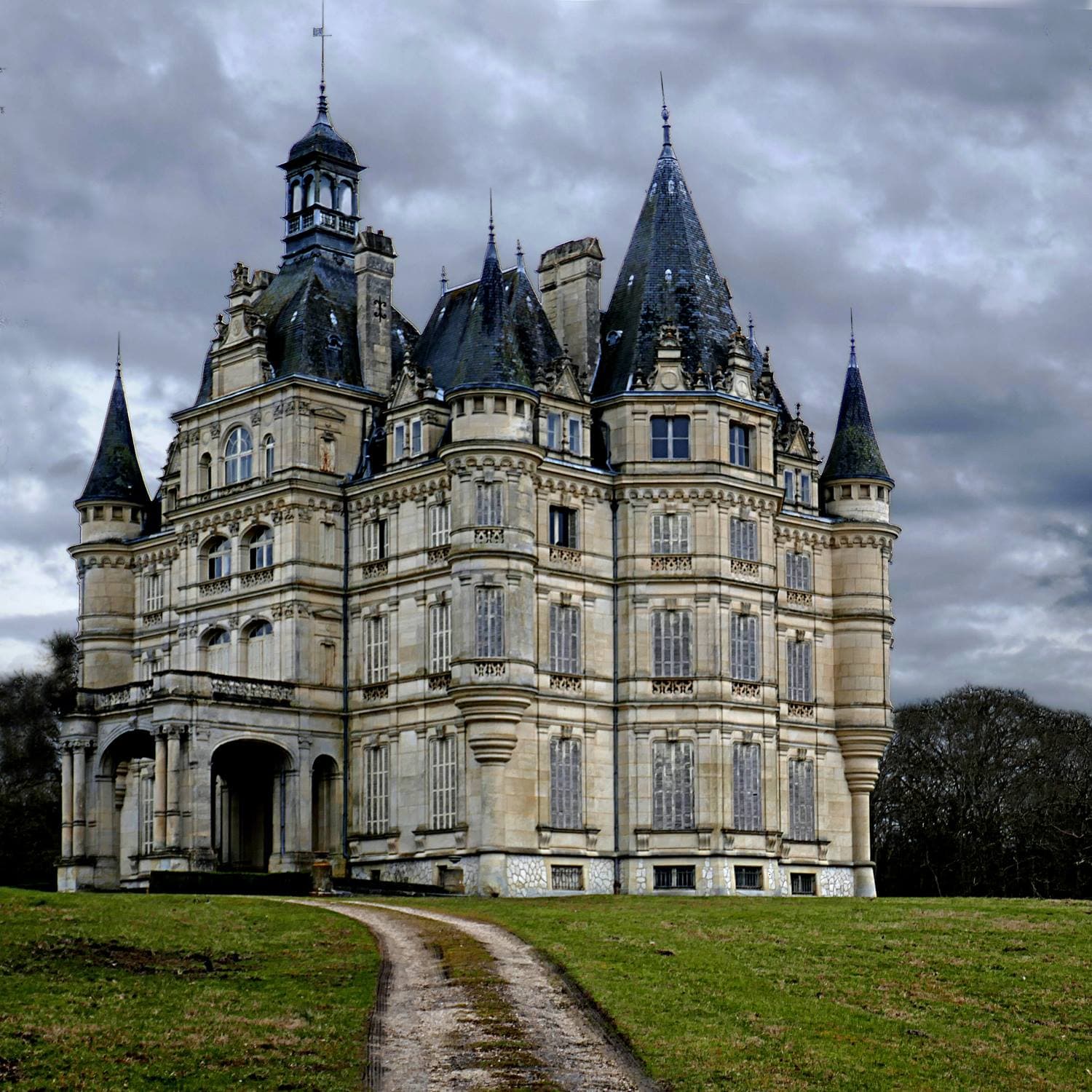
Where can you find abandoned places near you?
You can find abandoned places near you by combining curated urbex maps, historical research, satellite imagery, local archives, and legal access checks. The most reliable approach is not just locating a derelict site, but confirming that it is genuinely disused, safe to approach, and viewable from a public or authorized route.
Quick summary
- Start with a curated map rather than random social media tips.
- Use public records, historical maps, and satellite views to verify a site's status.
- Look for patterns such as closed industries, disused farms, and forgotten infrastructure.
- Always check ownership, signage, and access rules before planning a visit.
- Responsible urbex means preservation-first behavior and no forced entry.
- A good location is one that is documented, understandable, and legally assessable.
Quick facts
- Scope: global guide for any town, suburb, or rural area
- Main goal: learn how to find abandoned places near you reliably
- Best tools: curated maps, archives, satellite imagery, street-level observation
- Common site types: farms, factories, hospitals, hotels, rail infrastructure
- Legal rule: finding a location does not mean you have permission to enter it
- MapUrbex approach: verified locations, responsible research, preservation-first planning
Access the free urbex map
Why is a curated urbex map the fastest starting point?
A curated urbex map is usually the fastest starting point because it reduces guesswork. Instead of scanning thousands of buildings blindly, you begin with places already identified for historical, architectural, or urbex interest.
Map quality matters. A useful map is not just a pinboard of rumors. It should help you understand context, surrounding access roads, nearby public viewpoints, and whether a location is worth deeper research. You can start by exploring Browse all urbex maps.
If you want to understand why curation matters, read Urbex map: how curated maps help plan urban exploration routes. For a wider overview, Best Urbex Maps in the World: Where to Find Verified Locations explains how verified mapping improves planning.
How can you find abandoned places near you without relying on guesswork?
You can find abandoned places near you without guesswork by cross-checking several public sources. The strongest method is to combine map-based research with historical evidence and legal verification.
| Research source | What it helps reveal | What you still need to verify |
|---|---|---|
| Curated urbex maps | Known sites, regional patterns, route planning | Current condition and access rules |
| Historical maps | Former rail lines, industrial zones, old estates | Whether the structure still exists |
| Satellite imagery | Roof damage, overgrowth, isolation, site layout | Ownership and current use |
| Property records | Parcel boundaries and ownership clues | Whether access is authorized |
| Local newspapers and archives | Closures, fires, redevelopment plans, business failures | Whether the site remains abandoned |
| Street-level observation from public space | Fencing, signs, entrances, visible decay | Legal viewing points and safety issues |
This process works because abandonment leaves traces in multiple systems. A factory closure may appear in local press, then on satellite imagery as an empty complex, and later on a curated map as a documented location. One source alone is weak. Several sources together are much more reliable.
If you are trying to find urbex spots near you, avoid depending only on social media geotags. Many are outdated, mislabeled, or posted without context. A research trail is more useful than a viral pin.
Which clues usually indicate that a place is genuinely abandoned?
A place is more likely to be genuinely abandoned when several visible and documentary clues match. Typical signs include long-term disuse, blocked windows, roof deterioration, vegetation growth, closure records, and the absence of active maintenance.
No single clue is enough on its own. A shuttered building may be under renovation, a closed hospital may have private security, and an old warehouse may still be used for storage. That is why visual decay must be checked against records and on-site observation from public space.
Common clues include disconnected parking patterns, missing signage, repeated broken glazing, weathered entrances, sealed loading bays, and years-old redevelopment announcements. When these clues align, the site is more likely to be truly inactive.
How do you verify whether access is legal and responsible?
You verify legal and responsible access by checking who controls the land, what the signage says, and whether there is any public or authorized way to approach the site. If access is unclear, treat it as restricted.
Responsible urbex never depends on forced entry, fence cutting, bypassing locks, or ignoring warning signs. A location can still be worth researching, photographing from public space, or documenting historically even if entry is not lawful.
Use public rights of way, legal viewpoints, open data on land parcels where available, and direct permission where appropriate. If the site is dangerous, active, or protected, step back. Preservation-first exploration always matters more than reaching the interior.
A useful rule is simple: if you cannot approach a place legally and safely, do not enter it.
What types of abandoned spots are most common close to towns and suburbs?
The abandoned spots most commonly found near towns and suburbs are disused farm buildings, closed industrial sites, former transport infrastructure, empty institutional buildings, and shuttered hospitality properties. These categories appear repeatedly because they are tied to economic change and land-use shifts.
1. Disused farm buildings
Old barns, stables, silos, and isolated farmhouses are among the most common abandoned places around you in semi-rural areas. Agricultural consolidation often leaves older structures empty while newer operations move elsewhere.
These sites can look harmless but still carry real hazards such as unstable floors, open pits, asbestos roofing, and unsecured wells. They also often remain on private land, so legal access is the first question, not the second.
2. Closed industrial sites
Factories, mills, warehouses, and depots are classic urbex locations because they leave large physical traces after closure. Many towns still contain former industrial belts that are partly demolished and partly forgotten.
Industrial sites also carry some of the highest risks. Chemical residues, collapsing roofs, hidden shafts, and active redevelopment work are common. Research is essential before even considering a route from public space.
3. Former rail and transport infrastructure
Disused stations, signal boxes, maintenance depots, and old freight yards are common in areas shaped by older transport networks. They are often easier to identify because historic maps preserve their footprint clearly.
These places may still sit within active rail property or hazardous corridors. A line that looks abandoned can remain operational, monitored, or restricted. Treat transport sites with extra caution.
4. Empty hospitals, schools, and institutions
Large institutions sometimes close after service reorganization, relocation, or policy changes. Former clinics, schools, sanatoriums, and care facilities often remain visible landmarks for years.
They also attract heavy online attention, which means information becomes outdated quickly. If you are researching institutional sites, verify whether the building is sealed, repurposed, or under redevelopment before planning anything.
5. Shuttered hotels, resorts, and leisure venues
Closed motels, holiday parks, cinemas, and roadside restaurants are common along older travel corridors. They are useful case studies because their decline is often documented in public business records and local reporting.
These sites may appear accessible because parking areas are open, but that does not imply legal entry. The safest approach is historical documentation, exterior photography from lawful viewpoints, and route planning based on current conditions.
How can you research abandoned places around you from home?
You can research abandoned places around you from home by building a simple workflow: map search, archive check, satellite review, local news search, and legal screening. This method is slow, but it produces better results than random driving.
Start with a map layer. A curated resource helps you identify clusters instead of isolated guesses. From there, compare modern satellite imagery with older maps to spot missing activity, overgrowth, and unused access roads.
Next, search local newspapers, planning notices, municipal records, business closure reports, and regional history groups. Even when a building has no famous reputation, closure dates and ownership disputes often leave a paper trail.
Context also matters. Regional guides show how local culture and regulation affect urban exploration. For example, Urbex Tokyo: A Responsible Guide to Haikyo and Abandoned Places in Japan shows why abandoned-place research should adapt to place, not just to aesthetics.
What safety risks should you assess before any visit?
Before any visit, assess structural danger, environmental hazards, legal restrictions, remoteness, and emergency access. If any of those factors are unclear, the safest decision is to stop at external research.
Key risks include:
- unstable floors, staircases, and roofs
- asbestos, mold, chemicals, and standing water
- hidden shafts, wells, and broken glass
- private security, active worksites, or monitored property
- poor phone signal and long emergency response times
- unsafe weather, darkness, and isolated terrain
Many good abandoned places near you are best treated as research subjects rather than entry targets. A responsible explorer knows when documentation from outside is enough.
Access the free urbex map
FAQ
Is it legal to enter abandoned places near me?
Not automatically. A building can be abandoned and still remain private, restricted, or unsafe to enter. Always check access status, signage, and local law before planning anything.
What is the safest way to find abandoned places around me?
The safest method is desk research first. Use curated maps, archives, satellite imagery, and public viewpoints before considering any in-person visit. Avoid rumor-based locations and never force access.
Are social media posts a reliable way to find urbex spots near you?
Usually not on their own. Social posts are often outdated, vague, or stripped of legal context. Treat them as starting hints, not verified sources.
What tools help most when learning how to find abandoned places?
Curated urbex maps, historical maps, satellite imagery, newspaper archives, and property records are the most useful tools. They help you confirm whether a site exists, whether it is inactive, and whether research can continue responsibly.
Should beginners start with famous abandoned places?
Not necessarily. Famous sites often attract tighter security, heavier damage, and bad information. Beginners usually learn more from careful map research and lawful exterior observation than from chasing high-profile interiors.
Conclusion
The best way to find abandoned places near you is to use a repeatable research method. Start with curated maps, verify the history, confirm the current condition, and check legal access before you go any further.
That approach is slower than following random coordinates, but it is far more reliable. It also matches the core principles of responsible urbex: preserve sites, reduce harm, and document places with context.
Access the free urbex map
