 MapUrbex
A responsible guide to abandoned hospitals in France, with 20 striking photo subjects, key safety points, and verified MapUrbex resources for planning.
Abandoned Hospitals in France: Top 20 Photo-Worthy Interiors for Responsible Urbex
Abandoned hospitals in France are among the most searched urban exploration targets. Photographers are drawn to tiled corridors, surgical rooms, chapels, archives, and the heavy atmosphere that medical sites preserve better than many other abandoned places in France.
They are also among the most sensitive locations. Structural decay, asbestos, broken glass, contaminated rooms, and privacy issues make hospital urbex very different from a simple photo walk.
This guide explains what makes these places so distinctive, what the top 20 visual themes usually are, and how MapUrbex approaches verified locations with a preservation-first mindset.
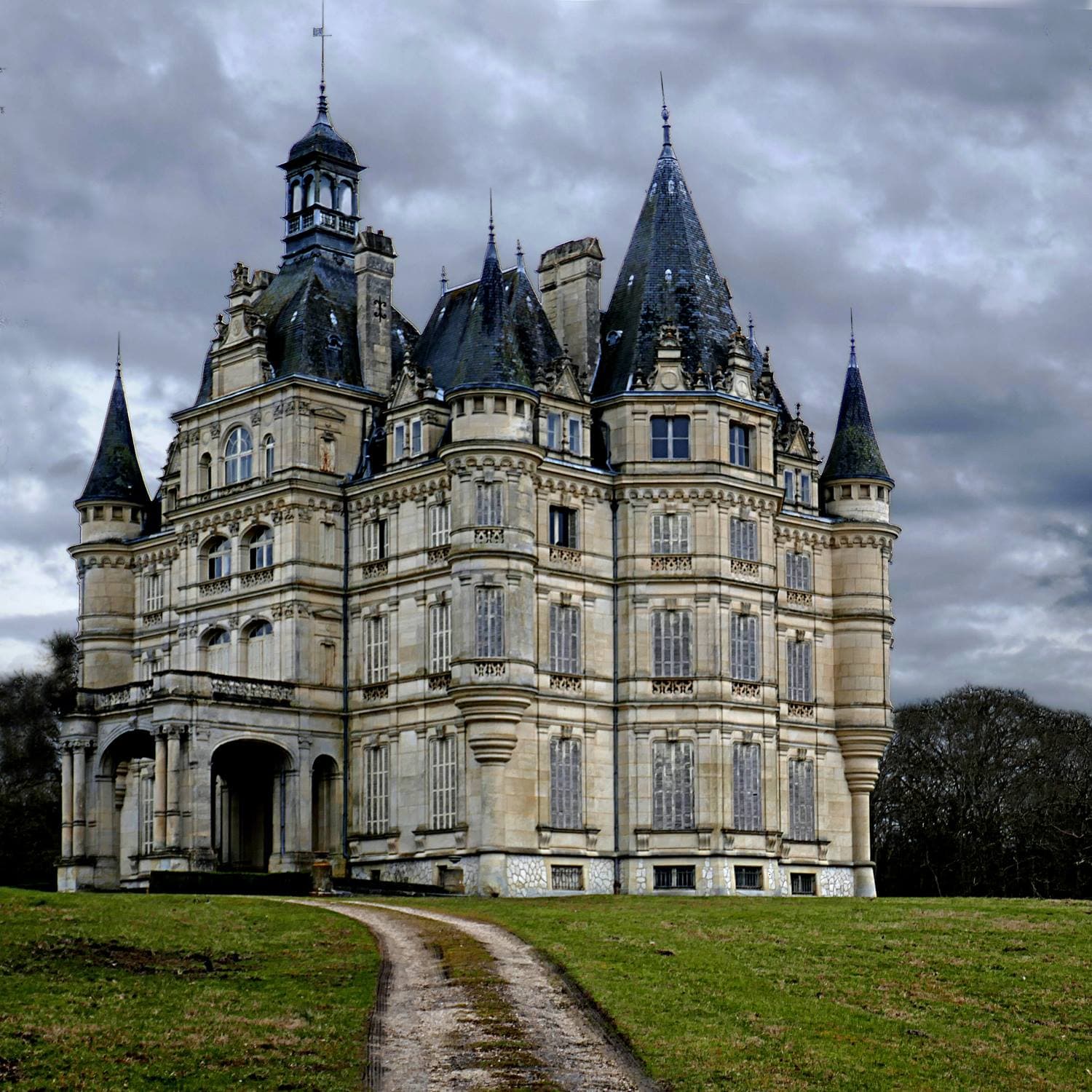
What are the best abandoned hospitals in France?
The best abandoned hospitals in France are usually former sanatoriums, pavilion hospitals, psychiatric complexes, rural clinics, and military medical sites with strong architectural identity. Publicly posting unrestricted access details is rarely responsible. MapUrbex prioritizes verified locations, context, and preservation-first guidance instead of encouraging trespass, forced entry, or unsafe exploration.
Quick summary
- Abandoned hospitals in France are especially valued for atmosphere, medical history, and layered interiors.
- The most photogenic spaces are often corridors, operating rooms, stairwells, chapels, pharmacies, and archives.
- Hospitals are high-risk urbex sites because of decay, contamination, unstable floors, and sensitive records.
- Responsible explorers do not force entry, break locks, move objects, or reveal exact spots casually.
- Verified maps are more useful than viral posts because they help filter misinformation and obvious traps.
- MapUrbex focuses on curated maps, legal context, and preservation-first discovery.
Quick facts
- Country: France
- Primary keyword: abandoned hospitals in France
- Best-known site types: sanatoriums, public hospitals, clinics, psychiatric hospitals, military medical buildings
- Main photo appeal: long corridors, faded signage, treatment rooms, period equipment, chapel spaces
- Main risks: asbestos, unstable structures, glass, mold, water damage, legal issues
- Best planning approach: use verified information, daylight visits when legal, and a strict no-damage rule
Why do abandoned hospitals in France stand out in urbex photography?
Abandoned hospitals in France stand out because they combine architecture, medical history, and highly recognizable interiors. Few abandoned places offer the same mix of visual order and emotional tension.
For many photographers, the appeal is not shock value. It is contrast. Hospitals were built for care, control, hygiene, and movement. Once abandoned, those same features become visually intense.
Here are 20 photo-worthy interiors and details that make these sites so memorable:
- Long tiled corridors with repeating doors
- Old operating theaters with overhead lights
- Patient wards with metal bed frames
- Nurses' stations with built-in counters
- Pharmacies with drawers and labeled shelves
- Waiting rooms with faded signage
- Stairwells with institutional handrails
- Glass partitions and treatment cubicles
- Chapels or prayer rooms inside larger complexes
- X-ray rooms and shielded technical spaces
- Boiler rooms and service tunnels
- Laundries and sterilization areas
- Maternity wings and nursery rooms
- Psychiatric wards with reinforced doors
- Abandoned archives and paper records rooms
- Mortuary corridors and cold-room areas
- Roof terraces overlooking large hospital grounds
- Disused kitchens and food service lines
- Courtyards in pavilion-style hospital layouts
- Exterior façades mixing brick, concrete, and institutional stonework
Which types of abandoned hospitals are most common in France?
In France, the most common abandoned hospital environments are former sanatoriums, local clinics, older public hospital wings, psychiatric institutions, and military-linked medical buildings. Each type creates a different urbex experience and a different risk profile.
| Hospital type | Typical visual features | Why photographers like it | Main cautions |
|---|---|---|---|
| Former sanatorium | Balconies, long wings, open-air design | Strong light, mountain or forest settings, medical history | Exposure, remote access, unstable roofs |
| Pavilion hospital | Multiple detached blocks, courtyards | Variety of interiors in one complex | Large site footprint, hidden hazards |
| Rural clinic | Compact wards, small operating rooms | Intimate scale, easier storytelling | Faster decay, broken glass |
| Psychiatric hospital | Heavy doors, enclosed yards, institutional signage | Powerful atmosphere, rare layouts | Ethical sensitivity, security issues |
| Military medical site | Utility spaces, bunkered areas, technical rooms | Unusual architecture and layered history | Restricted zones, legal sensitivity |
France has a particularly strong hospital heritage because many medical sites were expanded in the late 19th and 20th centuries, then partly replaced by modern facilities. That process left behind wings, annexes, and full complexes that now attract urbex interest.
What can you realistically photograph inside abandoned hospitals in France?
You can usually photograph circulation spaces, treatment rooms, small artifacts, textures, and architectural decay more often than spectacular equipment. Viral images often create unrealistic expectations.
Many abandoned hospitals have already been stripped, vandalized, or heavily weathered. In practice, the strongest images often come from composition rather than rare objects. A corridor with peeling paint can be more distinctive than an empty operating room.
Look for:
- wayfinding signs
- floor patterns and wall tiles
- abandoned medicine cabinets
- light entering through broken shutters
- symmetry in wards and corridors
- traces of old hospital administration
- exterior views showing the scale of the complex
If you publish photos, avoid showing easy entry points, alarm systems, or details that expose the exact spot.
How should you plan a safe and legal visit?
A safe and legal visit starts with one principle: if access is not authorized, do not force it. Hospital urbex is not a beginner-friendly category.
Never break locks, climb unstable structures, enter sealed medical zones, or move objects for a better shot. Preservation-first exploration protects both the place and the people who may still be connected to it.
Use this checklist before any visit:
- confirm whether the site is legally accessible
- check if the building is scheduled for demolition or active surveillance
- go in daylight when possible
- wear solid boots and avoid loose flooring
- bring a charged phone, light, water, and basic first-aid supplies
- never explore alone in high-risk structures
- leave immediately if you see asbestos debris, fresh structural movement, or active security concerns
Where can you find verified abandoned places in France?
The most reliable way to find abandoned places in France is to use curated resources instead of random social posts. Verified mapping reduces wasted trips and helps separate real sites from bait locations, private property traps, or outdated rumors.
Start with Browse all urbex maps if you want a broader view of categories and coverage. If you want a faster entry point, Access the free urbex map gives you a practical starting layer.
For related reading, these guides help compare other French urbex categories:
- Ghost Villages in France: 8 Places Frozen in Time
- Abandoned Trains, Railway Stations and Metro Stations in France: A Responsible Urbex Guide
- Abandoned Bunkers and Military Sites to Explore in France
FAQ
Is urbex in abandoned hospitals legal in France?
Not by default. Many hospital sites are private property, monitored, or partially active. Always check ownership and access status. A building being abandoned does not make entry legal.
Why are abandoned hospitals more dangerous than many other abandoned places?
Hospitals combine complex layouts, contaminated materials, water damage, unstable ceilings, service shafts, and sometimes sensitive remains of medical infrastructure. The risk level is often higher than in simpler industrial shells.
Can you share photos of abandoned hospitals without revealing the exact location?
Yes. That is usually the responsible approach. Share atmosphere, history, and composition, but avoid publishing precise directions, entry points, or details that make trespass easier.
What gear is most useful for abandoned hospital photography?
Good boots, a reliable light, spare batteries, gloves, and a camera that handles low light are more useful than heavy gear. Safety matters more than a large kit.
Are abandoned hospitals in France suitable for beginners?
Usually no. They are visually attractive but often technically and legally sensitive. Beginners are better served by lower-risk abandoned places and verified planning tools.
Conclusion
Abandoned hospitals in France are compelling because they combine medical history, disciplined architecture, and powerful visual decay. They are also among the easiest places to romanticize and among the worst places to approach casually.
The most useful approach is simple: choose verified information, respect legal boundaries, protect the site, and photograph without turning preservation into exposure. That is the standard MapUrbex is built around.
Access the free urbex map
