 MapUrbex
Explore a reliable top 20 guide to abandoned hospitals in France, including the most striking site types, photo value, risks, and responsible urbex advice.
Abandoned Hospitals in France: Top 20 for Responsible Urbex
France has a deep hospital heritage. Closed sanatoriums, rural clinics, military wards, and large pavilion hospitals now rank among the most searched abandoned places in France.
For photographers, these sites offer long corridors, tiled surgery rooms, staircases, and traces of everyday medical life. For preservation, they also demand more caution than many factories or schools.
This guide explains what makes the top abandoned hospitals in France interesting, which site profiles stand out, and how to approach urbex hospitals responsibly without exposing fragile locations.
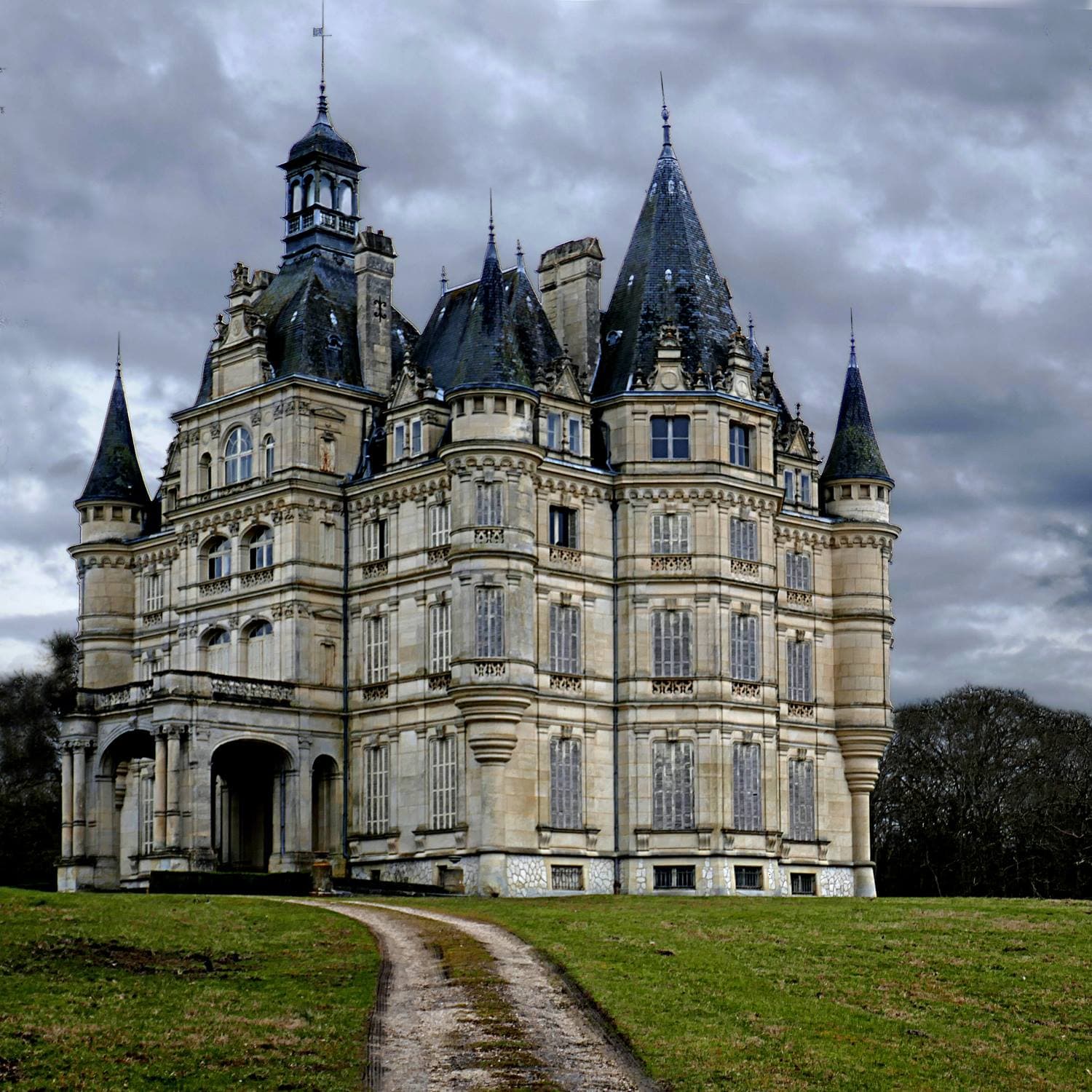
What are the best abandoned hospitals in France for urbex?
The best abandoned hospitals in France for urbex are usually former sanatoriums, psychiatric hospitals, military hospitals, maternity wards, and large pavilion complexes with intact medical architecture. The strongest sites combine visual character, documented history, and legally verifiable conditions, so current status matters more than online hype.
Quick summary
- France has a large stock of disused medical buildings, especially former sanatoriums and regional hospital wings.
- The most photogenic urbex hospital sites usually feature tiled rooms, operating areas, stair towers, chapels, or long pavilion corridors.
- Exact addresses should not be posted openly because exposure accelerates damage, theft, and unsafe visits.
- Conditions change quickly: ownership, asbestos controls, security, and demolition plans can shift within months.
- MapUrbex focuses on verified locations, responsible sharing, and preservation-first exploration.
Quick facts
| Item | Details |
|---|---|
| Country scope | France |
| Site type | Abandoned hospitals, sanatoriums, clinics, former care facilities |
| Best visual features | Corridors, wards, operating rooms, tilework, medical signage |
| Main risks | Structural decay, asbestos, glass, shafts, contamination, trespassing issues |
| Best practice | Verify status, respect property, never force entry, leave no trace |
Why are abandoned hospitals in France so popular with urbex photographers?
Abandoned hospitals in France attract photographers because they combine architecture, history, and atmosphere more intensely than many other abandoned places. A ward, lab, operating theater, or pharmacy still tells a readable story even after closure.
They also contain layered timelines. Many French hospital sites were expanded across decades, so one place can include Belle Epoque pavilions, 1950s blocks, and late modern service buildings. That variety is one reason urbex hospital photos often feel more narrative than factory images.
Which 20 abandoned hospital site profiles stand out in France?
The strongest top 20 list is not just a list of famous names. In France, the most notable abandoned hospital sites usually fall into recurring profiles that photographers and historians recognize.
- Mountain sanatoriums built for long-term respiratory care
- Coastal convalescence hospitals with sea-facing terraces
- Large pavilion hospitals on the edge of major cities
- Former psychiatric hospitals with chapel and garden layouts
- Rural general hospitals closed after healthcare centralization
- Military hospitals near former barracks or garrisons
- Abandoned maternity wards inside outdated regional complexes
- Tuberculosis clinics with sun galleries and long balconies
- Children's recovery centers in forest or hill settings
- Surgical blocks left behind after partial hospital relocations
- Former religious nursing hospitals run by charitable orders
- Geriatric wings detached from still-active medical campuses
- Rehabilitation centers with gyms and hydrotherapy rooms
- Small-town emergency units replaced by newer intercommunal sites
- Infectious disease pavilions isolated from main courtyards
- Medical training annexes with lecture rooms and archives
- Thermal-care hospitals linked to spa towns
- Return-care centers later reused as clinics
- Disused private clinics with highly intact interiors
- Multi-building hospital campuses awaiting redevelopment or demolition
MapUrbex deliberately avoids publishing open coordinates for fragile medical sites. That policy reduces copycat visits, theft, and vandalism while still helping users find verified places through curated maps.
What visual features make urbex hospitals in France especially memorable?
The most memorable abandoned hospitals in France usually combine medical detail with spatial depth. A strong site has more than decay. It has a readable layout.
Look for features such as:
- long symmetrical corridors
- enamel signs and ward numbering
- tiled operating rooms
- pharmacy shelving
- chapels or mortuary spaces
- rooftop terraces on sanatorium buildings
- staircases with natural top light
- old equipment only where legally and ethically visible
For urbex hospital photos, soft daylight often works better than harsh flash. It preserves atmosphere and makes surfaces, dust, and color loss easier to read.
How do abandoned hospitals compare with other abandoned places in France?
Abandoned hospitals are usually more sensitive than abandoned factories. They may contain health hazards, private records, controlled zones, or contamination legacies. They also attract heavier curiosity traffic.
If you are exploring the broader scene of abandoned places in France, compare hospital sites with industrial locations through Top 50 Abandoned Factories in France: A Responsible Urbex Guide or 20 Creepiest Abandoned Places in France. For a wider view of verified locations, you can also Browse all urbex maps.
How can you explore urbex hospitals responsibly in France?
Responsible urbex in abandoned hospitals starts with legality and restraint. Do not trespass, do not force access, and do not treat hospitals as playgrounds.
Use this checklist:
- verify whether the building is private, municipal, or under redevelopment
- never break locks, fences, boards, or windows
- avoid solo visits in unstable medical sites
- assume asbestos, mold, shafts, and broken flooring are present
- do not touch records, medicine storage, or personal artifacts
- leave rooms exactly as found
- avoid posting clues that reveal easy entry points
MapUrbex favors preservation-first exploration. Verified information is more useful than viral exposure.
Where can you find verified hospital locations without exposing them publicly?
The safest method is to use curated, updated mapping rather than leaked coordinates on public feeds. Verified maps reduce wasted trips and help users filter by region, building type, and status.
Start with Browse all urbex maps if you want the broader catalog, or use the free entry point below to test the platform responsibly.
FAQ
Is urbex in abandoned hospitals legal in France?
Not automatically. A hospital can look abandoned and still remain private or protected property. Always check ownership, local restrictions, and redevelopment status before any visit.
Are abandoned hospitals more dangerous than other urbex sites?
Often yes. Hospitals can contain hidden shafts, weak floors, broken glass, asbestos, chemical residue, or sealed technical areas. Medical buildings also have complex layouts that make exits harder in emergencies.
Can you publish urbex hospital photos online?
Yes, but publish carefully. Avoid exposing exact access points, alarms, or fragile details that increase damage. Focus on documentary value rather than location leakage.
Why does MapUrbex avoid posting exact hospital coordinates in open blog posts?
Because public coordinates can accelerate theft, vandalism, squatting, and site closure. MapUrbex uses verified locations inside curated maps to balance discovery with preservation.
What is the best season for abandoned hospital photography in France?
Late autumn to early spring is often best for exterior visibility and softer light, while interior conditions depend more on weather, vegetation, and site safety than on season alone.
Conclusion
Abandoned hospitals in France remain some of the most visually striking and historically layered urbex sites in the country. They are also among the most fragile.
If you want to document them well, prioritize verified information, legal checks, and low-impact behavior. That approach protects both your safety and the future of the locations.
Access the free urbex map
