 MapUrbex
Discover the top 20 types of urbex places in Brussels and nearby Belgium, with responsible planning tips and an interactive urbex map.
Urbex Brussels: Top 20 Abandoned Places to Explore in Belgium [Interactive Map]
Urbex Brussels is not defined by one legendary ruin. It stands out for variety: bunkers, depots, industrial buildings, empty institutions, villas, and small military remains spread across the capital and nearby Brabant.
The real difficulty is not finding rumors online. It is finding verified locations, judging condition, and planning a route without wasting time or crossing legal boundaries.
This guide explains what usually belongs in a strong Brussels urbex list, how to compare abandoned places in Brussels, and why a curated map is the most practical starting point.
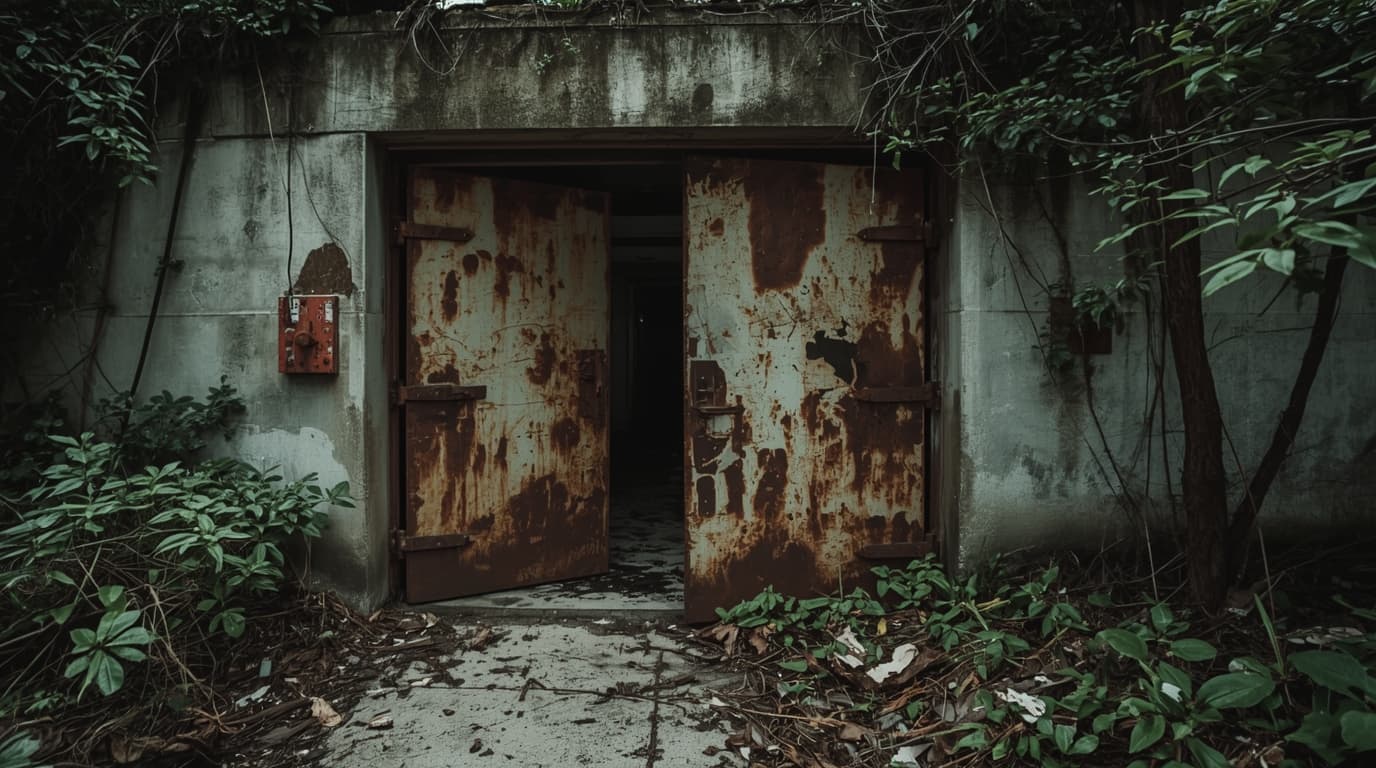
What are the best urbex places in Brussels?
The best urbex places in Brussels are usually verified bunkers, military remnants, warehouses, workshops, depots, vacant schools, villas, and rural outbuildings in and around the city. The smartest way to find them is a curated map that sorts by type, condition, and travel time, rather than random coordinates shared on social media.
Quick summary
- Brussels urbex is strongest for bunkers, military remains, industrial sites, depots, and vacant institutional buildings.
- Many of the top abandoned places linked to Brussels are in the surrounding region rather than the historic center.
- A curated urbex map is faster and safer than chasing unverified coordinates.
- Beginners should favor stable, daylight-friendly sites and legal access only.
- Exact addresses should not be shared publicly without permission.
- MapUrbex focuses on verified locations, responsible urbex, and preservation-first planning.
Quick facts
- Main search area: Brussels-Capital Region plus nearby Brabant
- Common site types: bunkers, factories, warehouses, schools, villas, farms
- Best season: autumn to early spring for visibility and softer light
- Transport: public transport works for some sites, but a car expands options
- Legal baseline: do not enter restricted or private places without authorization
- Best tool: an interactive urbex map with filters and notes
Why use an urbex map for Brussels instead of random coordinates?
A Brussels urbex map is better because it helps you compare verified locations quickly and plan responsibly. Random coordinates often waste time, point to sealed sites, or push people toward unsafe and unauthorized entry.
If you want a broader overview, start with Browse all urbex maps. If you are new, read How to Start Urbex: The Complete Beginner's Guide first. For local research, Urbex Brussels: guide to abandoned places in and around Brussels and Urbex Brussels: How to Find Abandoned Places Near Brussels Responsibly add useful context.
A good map also reduces a common Brussels problem: urban legends. Many famous spots are demolished, redeveloped, or tightly secured. A curated database helps you focus on places that still matter for photography, architecture, or historical atmosphere.
Which 20 urbex location types stand out in Brussels and nearby?
The strongest Brussels urbex list is usually built around types of places, not just one viral site. In practice, the top options combine atmosphere, historical interest, visual variety, and realistic trip planning around the city and nearby Belgium.
- Cold War bunkers for compact military atmosphere.
- Air-raid shelters for layered wartime history.
- Fort outbuildings for masonry, tunnels, and defense architecture.
- Disused military storage spaces for stripped industrial textures.
- Empty warehouses for scale, geometry, and light beams.
- Former workshops for machinery remnants and strong detail shots.
- Rail-side depots for transport history and large interiors.
- Closed office blocks for modern decay and repeated patterns.
- Vacant schools for classrooms, corridors, and graphic symmetry.
- Disused convent or chapel buildings for silence, textures, and historic interiors.
- Former care homes for institutional architecture and storytelling.
- Abandoned villas for domestic details and preserved rooms.
- Modernist houses for design-focused photography.
- Gatehouses and caretaker lodges for small, photogenic ruins.
- Old farms for rural decay near the city.
- Greenhouses and agricultural outbuildings for glass, repetition, and light.
- Garages and service stations for signage, tile, and mid-century details.
- Printing, craft, or small industrial units for layered workspaces.
- Closed leisure buildings such as small clubs or pavilions for unusual interiors.
- Utility structures and service tunnels with legal access for technical atmosphere and documentary value.
Not every category is in the center of Brussels. Many top urbex places connected to Brussels are better understood as day-trip sites in the surrounding region. That is normal for urbex in Belgium.
How should you prioritize Brussels abandoned places by experience level?
The safest approach is to prioritize daylight-friendly, smaller, and more legible sites first. Large factories, depots, and institutional ruins look impressive, but they usually carry more structural risk, more security issues, and more legal complications.
| Type of place | Why people choose it | Best for | Main caution |
|---|---|---|---|
| Bunkers and shelters | Strong atmosphere in a compact space | Beginners to intermediate | Water, low ceilings, unstable entrances |
| Villas and gatehouses | Good daylight, strong storytelling | Beginners | Private property and nearby residents |
| Farms and greenhouses | Easy layouts and rural mood | Beginners | Rot, broken glass, hidden hazards |
| Warehouses and workshops | Scale, textures, machinery | Intermediate | Weak floors, sharp metal, asbestos risk |
| Schools and care homes | Room sequences and historic detail | Intermediate | Falling plaster, alarms, unstable stairs |
| Factories and depots | Maximum visual impact | Experienced planners only | Structural failure, restricted access, complex safety issues |
For first trips, it is smarter to leave with a few solid photos than to chase the biggest ruin online. Responsible urbex is slow, selective, and preparation-heavy.
How can you plan a responsible urbex day in Brussels?
A responsible Brussels urbex day starts with research, daylight timing, and a clear legal boundary. The goal is to document a place without damaging it, without forcing entry, and without creating problems for owners, neighbors, or other explorers.
Use this simple checklist:
- Pick a small number of verified targets instead of overloading the route.
- Check recent status notes, travel time, and backup options.
- Favor daylight entry and daylight exit.
- Wear sturdy shoes and simple protective clothing.
- Carry water, a charged phone, and a flashlight, but avoid acting as if a risky site is automatically acceptable.
- Never force locks, fences, windows, or doors.
- Leave objects where they are and do not publicize exact addresses carelessly.
If you are still learning, choose exterior documentation or legally accessible structures first. That approach aligns with the preservation-first logic behind MapUrbex.
When is the best time to explore abandoned places in Brussels?
For most people, the best time for urbex Brussels is autumn through early spring. Vegetation is lower, facades are easier to read, and the softer light often improves photography.
Winter has one clear advantage: visibility. Empty grounds, side structures, and bunker entrances are easier to spot. The downside is mud, water, and shorter days.
Spring can be excellent when weather is stable. Summer is often the least practical season because foliage hides entrances, heat builds inside structures, and popular areas attract more attention.
Is urbex in Brussels legal?
Urbex in Brussels is not automatically legal. Many abandoned places are private property, protected sites, or restricted spaces, and entering without authorization can lead to trespassing issues or much worse if a site is unsafe.
That is the essential rule: only enter when you have the right to do so, and never force access. If a location is sealed, alarmed, occupied, or clearly off-limits, move on.
Responsible urbex in Belgium is about documentation and preservation, not conquest. MapUrbex is designed around verified information, safer planning, and respect for places that are often fragile.
FAQ
What makes Brussels a strong urbex destination?
Brussels is strong for urbex because it combines military remnants, industrial heritage, institutional buildings, and easy regional connections. The city itself is only part of the story; nearby areas often add the most varied abandoned places.
Are the best abandoned places in Brussels really inside the city?
Not always. Some of the most interesting options connected to Brussels are in the surrounding region, which is why a map-based approach is more useful than searching only within city limits.
Is a free urbex map enough for beginners?
For many beginners, yes. A free map is a good way to understand distribution, travel logic, and site variety before committing to deeper research or verified premium listings.
What should you bring for urbex in Belgium?
Bring sturdy shoes, water, a charged phone, weather-appropriate clothing, and a small flashlight. Do not mistake equipment for permission; the legal status of the site matters more than gear.
Should exact addresses of abandoned places be shared publicly?
Usually no. Publicly spreading exact addresses can increase vandalism, theft, unsafe visits, and rapid closure. Responsible communities share carefully and prioritize preservation.
Conclusion
The best urbex Brussels plan is not a random hunt for viral coordinates. It is a filtered shortlist of verified locations, matched to your experience level, travel time, and legal comfort zone.
If you want to compare abandoned places in Brussels, nearby Belgium, and other regions more efficiently, start with a curated map and build from there.
Access the free urbex map
