 MapUrbex
Learn how to start urbex safely and legally. A practical beginner guide to gear, safety rules, ethics, legality, and choosing a first spot.
How to Start Urbex: The Complete Beginner's Guide
Urbex can be rewarding, but beginners need a method. The right start is not about chasing the most dramatic ruin. It is about learning how to assess risk, respect property, and choose locations that match your experience.
This guide explains how to start urbex with practical rules you can apply on your first outing. It covers urbex safety, basic urbex gear, legality, ethics, and how to choose a first urbex spot without treating risk as part of the thrill.
MapUrbex focuses on verified locations, responsible exploration, and preservation-first mapping. That mindset should shape every decision from day one.
How do you start urbex safely and legally?
Start urbex by choosing low-risk locations, checking local laws, never forcing entry, and treating safety as the first filter. Beginners should carry simple gear, avoid solo exploration when possible, leave every place exactly as found, and prioritize documented locations over random finds. Good urbex starts with preparation, not improvisation.
Quick summary
- Start with easy, low-risk places rather than isolated or heavily damaged sites.
- Never trespass, force access, or ignore posted restrictions.
- Bring essential urbex gear: charged phone, flashlight, backup light, sturdy shoes, water, and a basic first-aid kit.
- Follow simple urbex ethics: take nothing, leave nothing, break nothing, and share locations carefully.
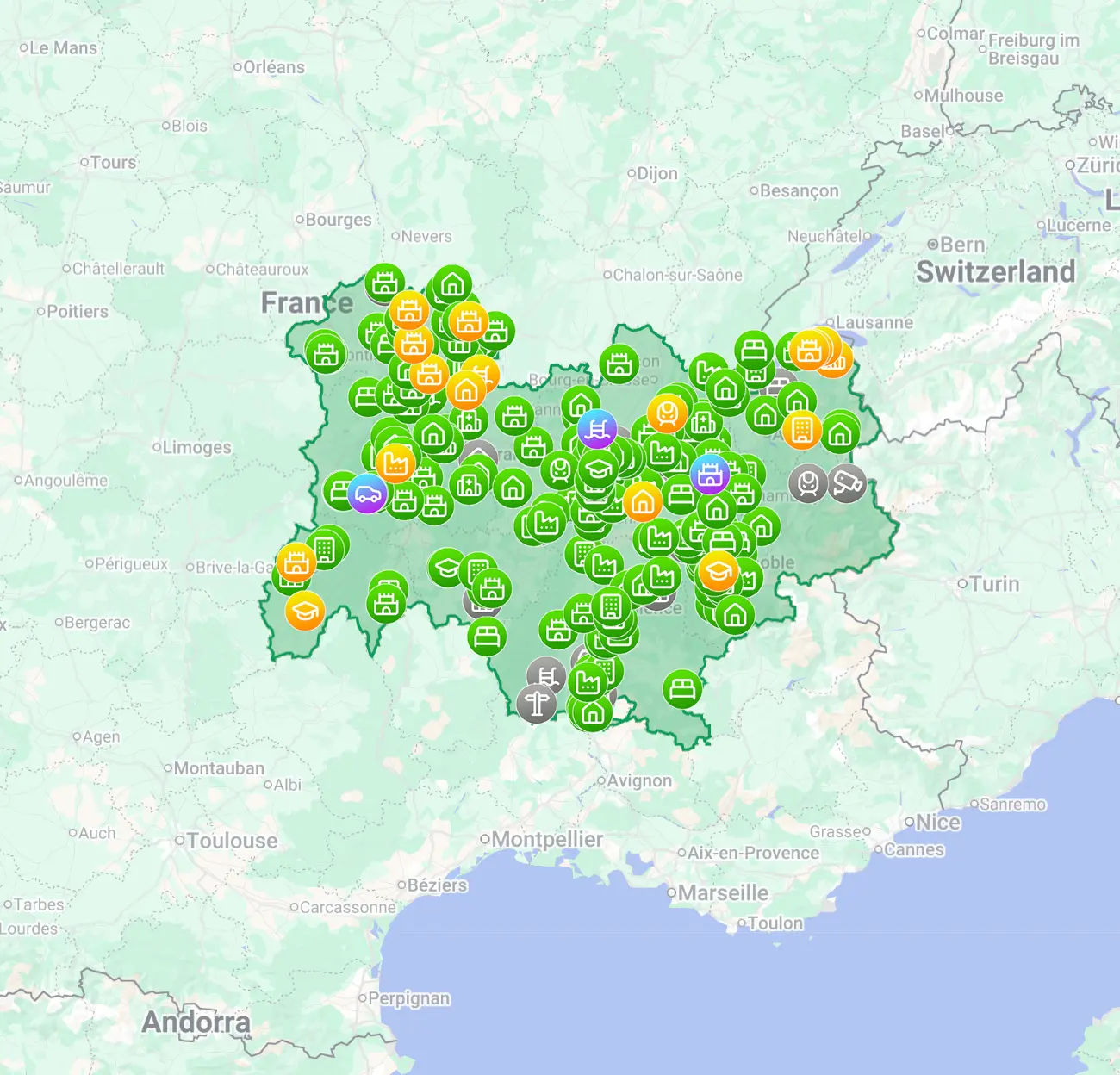
- Use curated resources such as Browse all urbex maps to compare site types and reduce guesswork.
- For a first outing, choose daylight, dry weather, and a location with a clear exit plan.
Quick facts
Beginners improve safety by reducing variables. The table below shows the basic rule for each key decision.
| Topic | Beginner rule | Why it matters |
|---|---|---|
| Access | Do not enter without legal permission or clearly lawful access | Trespassing is not part of responsible urbex |
| Time | Go in daylight | Better visibility lowers avoidable risk |
| Site type | Prefer small, simple locations | Easier to assess hazards and exits |
| Gear | Carry two light sources and a charged phone | Small failures become large problems in dark sites |
| Footwear | Wear sturdy closed shoes | Floors, glass, and debris are common |
| Ethics | Leave no trace | Preservation keeps locations intact longer |
What gear do you need for a first urbex outing?
Beginner urbex gear should stay simple. You do not need a heavy kit. You need a reliable kit that helps you avoid predictable problems.
A practical first setup includes:
- sturdy closed shoes with grip
- long pants and layers you can move in
- one main flashlight and one backup light
- fully charged phone and offline map if available
- water
- small first-aid kit
- gloves for rough surfaces
- ID, if legally required or useful in an emergency
Some items are often misunderstood. A respirator is not a universal beginner solution. If a site has dust, mold, chemical residues, or suspicious air quality, the safest choice is often to leave. Beginners should not treat protective gear as permission to ignore environmental hazards.
Avoid overpacking. Large bags reduce mobility and can create snag risks in tight interiors. Keep both hands as free as possible.
How do urbex safety rules reduce avoidable risk?
Urbex safety is mostly about judgment before entry. If a place feels uncertain, the correct decision is often not to continue. Responsible explorers do not try to outsmart unstable buildings.
Use these rules on every visit:
- do not go alone if the site is unfamiliar
- tell someone where you are going and when you expect to be back
- avoid roofs, shafts, ladders, flooded areas, and basements with unclear exits
- leave immediately if you notice structural movement, strong chemical smells, wildlife, or recent fire damage
- respect weather; rain, wind, snow, and darkness increase risk quickly
- keep an exit route in mind at all times
Phones help, but they do not replace planning. Signal can disappear inside concrete or remote buildings. That is why a simple route plan matters more than confidence.
For region-specific examples of safer research, see Germany Urbex Map: Find Abandoned Places Safely and Legally or Urbex New York: How to Find Abandoned Places in the NYC Area.
What is legal and what is not in urbex?
Urbex legality depends on local law, property status, access status, and how you enter. The safe rule is simple: if you do not have lawful access, do not enter. Abandoned does not mean public, ownerless, or legal to explore.
In many places, the main legal issues are:
- trespassing
- forced entry
- tampering with barriers, locks, or fences
- taking objects from the site
- entering hazardous or restricted areas
- publishing precise location data that causes damage or repeated illegal access
Laws vary by country, region, and city. Some places treat simple entry as a civil issue, while others apply criminal penalties. Protected heritage sites can involve additional rules.
MapUrbex supports preservation-first exploration. That means checking access context before the visit, not after. If the legal status is unclear, treat that uncertainty as a stop sign.
What does good urbex ethics look like in practice?
Good urbex ethics protect places, other explorers, owners, and local communities. The standard formula is short because it works: take nothing, leave nothing, break nothing.
In practice, ethical urbex means:
- do not force access
- do not move objects for a better photo
- do not stage scenes
- do not tag, damage, or clean walls
- do not publish sensitive details carelessly
- do not turn fragile sites into social media challenges
Ethics also apply after the visit. A photo can be harmless, or it can send a crowd to a vulnerable site. Beginners should understand that discretion is part of preservation.
If your goal is only adrenaline, urbex is the wrong framework. Responsible exploration is based on documentation, observation, and restraint.
How do you choose a first urbex spot?
Your first urbex spot should be simple, dry, visible, and easy to leave quickly. A small abandoned structure with straightforward access conditions is better than a massive industrial complex, underground site, or place known for unstable floors.
A good beginner spot usually has:
- daylight visibility
- low height exposure
- no water hazards
- no need for climbing
- a short walking approach
- known context from reliable mapping or prior documentation
Avoid hospitals, factories with complex interiors, tunnels, rooftops, and any location that has become popular for thrill content. Iconic rarely means beginner-friendly.
If you want inspiration, Top 10 Urbex Spots in Texas You Can Explore shows how curated spot lists can help you compare site types before you travel.
How can maps help beginners explore more responsibly?
Curated maps help beginners reduce guesswork. They do not replace legal research or judgment, but they organize information so you can filter locations more carefully.
That matters because beginners often make the same three mistakes:
- choosing a site that is too complex
- underestimating travel and exit logistics
- confusing abandoned appearance with lawful access
Map-based research lets you compare regions, site types, and practical planning factors before you leave home. If you want more options, Browse all urbex maps is the fastest way to survey available collections.
FAQ
Is urbex legal for beginners?
Urbex is only legal when access is lawful under local rules. Beginners should never assume that an abandoned building is open to the public.
What is the best first urbex gear setup?
Start with sturdy shoes, weather-appropriate clothing, two light sources, a charged phone, water, and a basic first-aid kit. Reliability matters more than quantity.
Should you do your first urbex outing alone?
Usually no. A trusted companion reduces risk and helps if you need to leave quickly or deal with an injury. If you must research alone, keep the visit simple and conservative.
What is the biggest mistake new explorers make?
The biggest mistake is choosing a site for its aesthetic value rather than its safety and access context. Beginners should choose easy sites, not famous ones.
Should you share the exact location of a place online?
Usually not. Publicly revealing sensitive spots can accelerate vandalism, theft, and illegal entry. Discretion is part of urbex ethics.
Conclusion
Starting urbex well means starting small. Safety, legality, and ethics are not side topics. They are the core of the practice. If you can assess a site calmly, carry the right gear, respect property, and leave no trace, you are building habits that scale to every future exploration.
For beginners, the best shortcut is not a riskier location. It is better information. Curated maps and clear planning reduce avoidable mistakes.
Ready to plan your first outing more carefully? The free MapUrbex map is the best starting point, and you can also use it to request the beginner PDF checklist by email.
Access the free urbex map
