 MapUrbex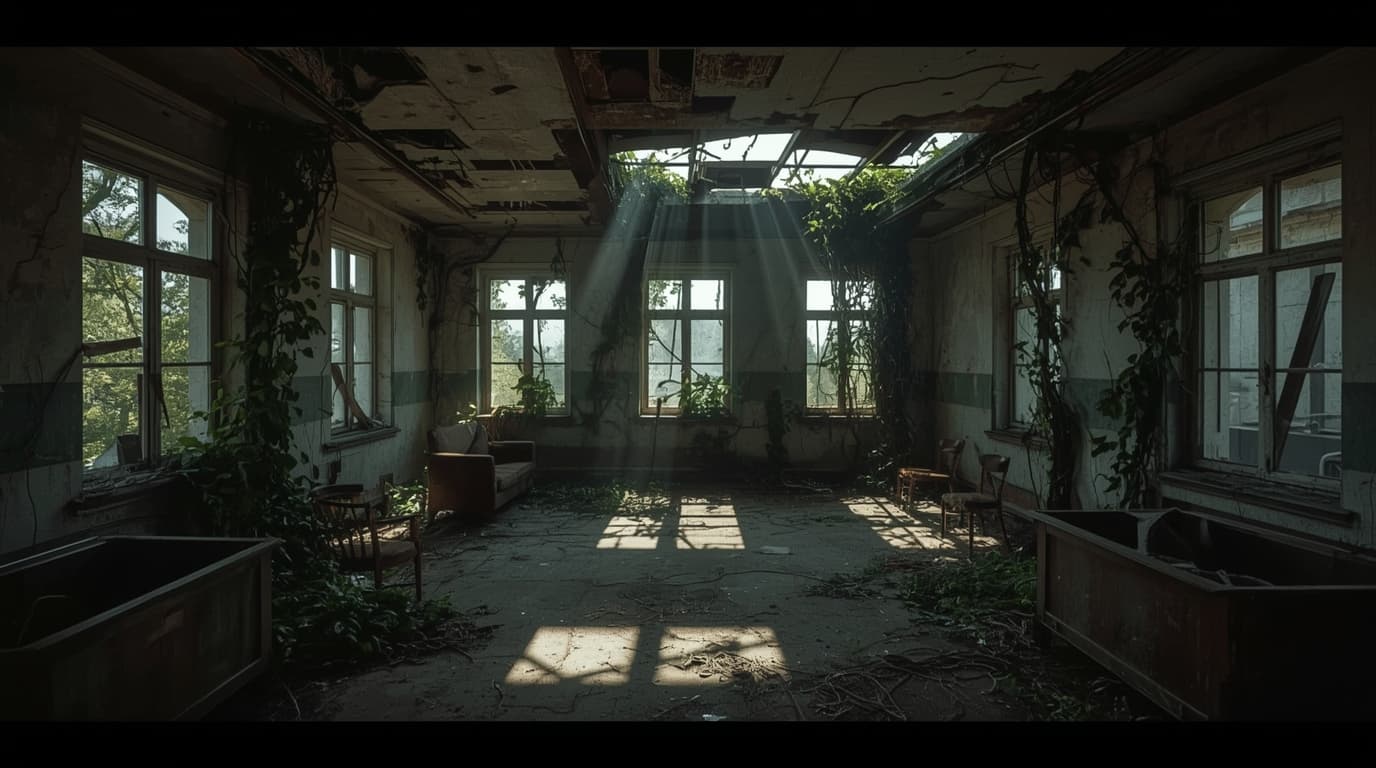
Discover the fascinating history of urbex: origins, pioneers, Ninjalicious, and how urban exploration became a worldwide phenomenon.
A practice older than you might think
While the word “urbex” (short for urban exploration) is relatively recent, the practice itself has existed for much longer.
As early as the Industrial Revolution, curious adventurers were already venturing into:
- underground tunnels,
- abandoned metro lines,
- ruined buildings.
In 19th-century Paris, explorers wandered through the catacombs and the underground quarries. These early “urbexers” weren’t influencers or photographers, but often amateur archaeologists, artists, or dreamers seeking mystery.
Modern urbex: structured in the 1980s
The term “urbex” appeared in the 1990s.
But the modern practice truly took shape in the 1980s, particularly in the United States and Canada.
At that time, photographers, artists, and architecture enthusiasts began documenting abandoned places:
- deserted factories,
- psychiatric hospitals,
- forgotten metro stations.
Among the pioneers:
- the Action Squad collective, based in Minneapolis, active since the 1980s,
- but above all Jeff Chapman, also known as Ninjalicious, who gave urbex its real identity.
🧭 Ninjalicious: the “father” of modern urbex

Considered the father of urbex as we know it, Ninjalicious was a Canadian explorer and passionate writer.
In 2005, he published “Access All Areas: A User’s Guide to the Art of Urban Exploration”, a book that quickly became the reference for the community.
Before that, he launched Infiltration.org, a legendary website sharing:
- exploration stories,
- techniques and safety rules,
- the ethics of urbex.
His philosophy was crystal clear:
- ❌ do not vandalize,
- ❌ do not steal,
- ❌ do not destroy,
- ✅ explore with respect and leave nothing behind.
🌐 A practice gone global
Today, urbex is a worldwide discipline.
On Instagram, YouTube, and even in art exhibitions, photos of abandoned places attract millions of curious people.
Urbex fascinates because it combines:
- the thrill of the forbidden,
- the beauty of decay,
- the preservation of memory.
But the practice still faces two strong limits:
- legal: trespassing laws, property rights, and safety issues,
- ethical: the “leave no trace” philosophy remains at the heart of real urban exploration.
🧠 Urbex: between art, history, and memory
What makes urbex unique is its hybrid nature:
- it is an adventure for explorers,
- an artistic medium for photographers,
- a living memory for historians.
By exploring forgotten places, urbexers document a disappearing heritage and tell the silent stories that walls still carry.
🌍 Want to discover your own abandoned places?
With MapUrbex, you can access hundreds of urbex locations across France and Europe:
- abandoned castles,
- forgotten hospitals,
- ghost villages,
- deserted factories.
Photo credits : Glogger
