 MapUrbex
A practical guide to urbex Paris with safer, responsible alternatives to viral spots, plus planning, legal, and preservation tips.
Urbex Paris: Responsible Alternatives to Overexposed Spots
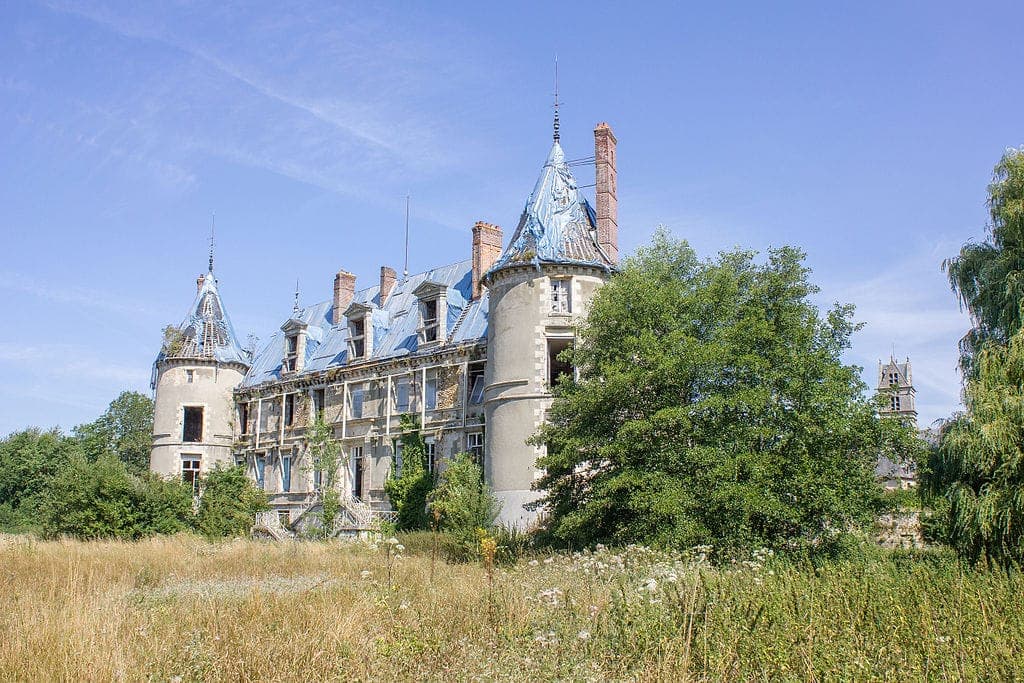
Paris attracts huge interest from urban explorers, but the most viral locations are often the worst options. Overexposed sites usually mean damaged access points, more surveillance, more complaints, and faster decline.
A better approach to urbex Paris is not chasing the same place seen everywhere online. It is choosing verified, lower-profile, better-documented locations and planning with safety, legality, and preservation first.
What are the best responsible alternatives to overexposed urbex spots in Paris?
The best responsible alternatives for urbex Paris are verified locations outside the most viral circuits: lesser-known industrial sites in outer districts, abandoned places near Paris with better documented access context, and legal heritage or reuse sites that still offer strong atmosphere. The goal is not secrecy for its own sake. The goal is lower exposure, safer conditions, and respect for the place.
Quick summary
- Overexposed Paris spots are rarely the best choice for safety or preservation.
- Responsible alternatives usually sit in the outer ring or just beyond Paris, not in the most shared central locations.
- A good spot is defined by condition, legal context, and low pressure from social media.
- Do not force entry, bypass security, or publish precise entry points.
- Verified maps help filter places by recent notes, risk level, and planning value.
- Near-Paris options often provide better photography conditions than viral inner-city ruins.
Quick facts
- Primary area: Paris and close suburbs
- Best strategy: choose verified, lower-profile locations over viral names
- Main risks at overexposed spots: structural damage, surveillance, neighbor complaints, and copycat behavior
- Best fit for: photographers, history-minded explorers, and careful beginners
- Legal reminder: only enter where access is lawful; if in doubt, do not enter
- Planning tool: curated map plus transport check plus daylight exit plan
Why should you avoid overexposed urbex spots in Paris?
Overexposed spots in Paris tend to deteriorate faster. Once a location becomes widely shared, it often attracts vandalism, scavenging, and unsafe entry attempts.
They are also less reliable. Doors get sealed, security changes, neighbors become alert, and the experience becomes crowded. In practice, a viral ruin is usually worse for photography and worse for preservation.
For responsible urbex Paris, popularity is not a quality signal. It is often a warning sign.
What makes a responsible urbex alternative in Paris?
A responsible alternative is a place that can be evaluated with clear criteria: condition, access context, exposure level, and exit options. This is how experienced explorers reduce unnecessary risk.
| Criterion | Why it matters | Good sign | Red flag |
|---|---|---|---|
| Exposure level | Heavy attention accelerates damage | Limited public sharing | Viral reels and repeated entrance shots |
| Site condition | Safer floors, stairs, and roofs matter | Recent condition notes | Broken structures and water damage everywhere |
| Access context | Legal clarity prevents bad decisions | Documented lawful entry or external-only visit | Fence hopping or forced access stories |
| Surroundings | Neighbors, patrols, and traffic affect safety | Quiet approach and clear exit | Busy roads, rail lines, or active facilities |
| Preservation value | Low-impact visits protect the site | No trace approach | Graffiti, theft, or staged damage |
If a place fails two or three of these criteria, it is usually not a good candidate.
Where should you look instead of viral urbex Paris spots?
The most useful alternatives are usually not in the center of Paris. They are often in the outer boroughs, old industrial belts, or just beyond the city where larger abandoned sites still exist but receive less careless traffic.
That does not mean hidden equals safe. It means better selection. Good alternatives often fall into five categories:
- former industrial buildings in peripheral zones
- disused service buildings in suburban municipalities
- semi-abandoned estates or institutional sites near Paris
- legal cultural sites, ruins, or heritage spaces with access rules
- temporary opportunities identified through verified updates rather than old forum posts
If you want broader options beyond the city core, Top 20 Abandoned Places Near Paris: A Responsible Urbex Guide and Where to Find Abandoned Places Near Paris? Interactive Map + Legal Guide are the best next reads.
How can you plan urbex Paris more safely and more responsibly?
Safe urbex planning in Paris starts before you leave home. Check transport, exit routes, daylight, recent condition notes, weather, and whether the site is still standing as described.
Follow a simple preparation checklist:
- never force entry or bypass security
- avoid solo visits at unstable sites
- carry light, charged, practical gear
- tell someone your plan and return time
- leave if the structure feels active, occupied, or unsafe
- do not post exact entry points publicly
Responsible explorers also protect the future of the location. That means no theft, no tagging, no broken locks, and no sensational location dumping.
For a broader framework, see Urbex Paris: A Responsible Guide to Urban Exploration in Paris.
Which MapUrbex tools are most useful for finding better alternatives?
The most useful MapUrbex tools are the curated maps and the location verification approach. They help you avoid random lists, outdated coordinates, and hype-driven recommendations.
Start with Browse all urbex maps if you want to compare regions, or use Access the free urbex map if you want a first filtered selection before committing to a full plan.
MapUrbex is built around verified locations, responsible discovery, and preservation-first exploration. That matters in Paris, where overexposure ruins places quickly.
FAQ
Are overexposed urbex spots in Paris usually worth visiting?
Usually no. Once a spot becomes too visible, it tends to be more damaged, more monitored, and less rewarding for careful exploration or photography.
Is it better to explore inside Paris or near Paris?
For many explorers, near-Paris locations are the better choice. They often offer larger sites, lower exposure, and more practical planning conditions than central Paris.
Can beginners do urbex Paris safely?
Beginners can reduce risk, but only by staying conservative. Choose lower-risk locations, go in daylight, avoid unstable interiors, and never enter unlawfully or force access.
Should you share exact Paris urbex locations online?
In most cases, no. Publicly sharing exact entrances accelerates damage, copycat visits, and closure. Responsible sharing focuses on education, context, and preservation.
What is the safest way to find abandoned places around Paris?
The safest approach is using a curated, verified map with recent notes, then confirming legality and current conditions before any visit.
Conclusion
The best urbex Paris strategy is simple: avoid the most overexposed spots and choose better alternatives. Lower-profile, verified, and better-documented places are usually safer, more respectful, and more useful for serious photography or exploration.
If your goal is a good experience without contributing to site damage, use curation instead of hype.
Access the free urbex map
