 MapUrbex
Learn how to find abandoned places near you using verified maps, legal checks, and safe research methods for responsible urbex.
Abandoned Places Near Me: How to Find Nearby Urbex Spots Responsibly
Searching for abandoned places near me usually means you want real, nearby locations that are interesting, safe to research, and worth your time.
The problem is that many lists are outdated. A building that looked empty two years ago may now be occupied, demolished, secured, or under active redevelopment.
MapUrbex takes a preservation-first approach. The goal is not reckless entry. The goal is better information, verified locations, and responsible urban exploration.
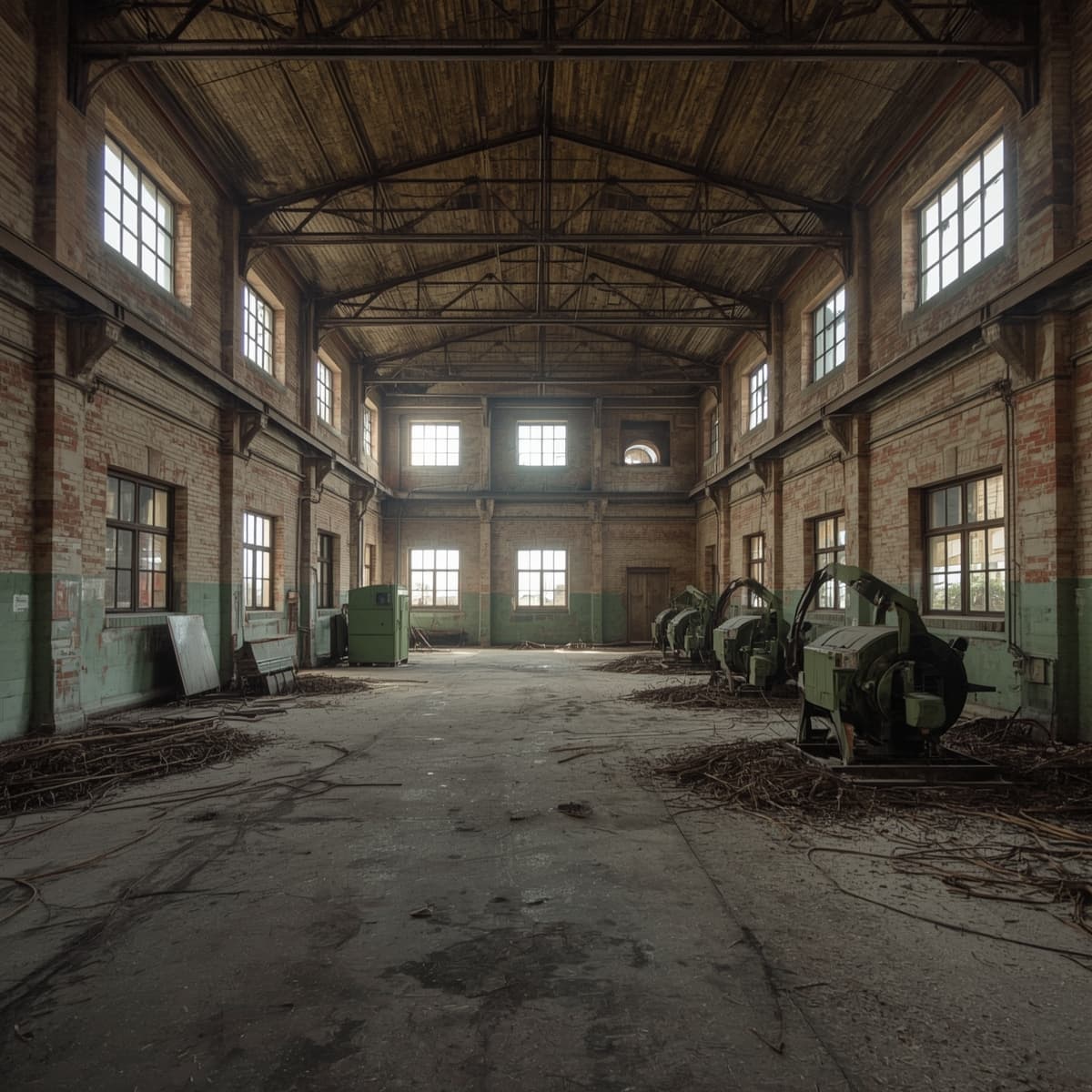
Where can I find abandoned places near me?
You can find abandoned places near you by combining verified urbex maps, local archives, satellite imagery, public street observation, and recent community reports. The best method is to confirm that a site is truly abandoned, legally accessible, and structurally low-risk before planning anything. Never assume that an empty-looking building is open to enter.
Quick summary
- Start with verified maps instead of random social posts.
- Confirm whether a place is abandoned, not simply vacant or closed.
- Respect private property, posted signs, gates, and active security.
- Research from public sources before visiting anything in person.
- Keep fragile locations discreet to reduce theft and vandalism.
- Choose preservation-first urbex over collecting secret coordinates.
Quick facts
| Topic | Key point |
|---|---|
| Best starting point | Curated maps with recent verification |
| Biggest research mistake | Confusing vacant buildings with abandoned places |
| Legal baseline | Private property rules still apply |
| Safety baseline | Structural damage is often invisible from outside |
| Smart workflow | Cross-check at least 3 sources |
| Responsible sharing | Avoid posting exact coordinates of fragile sites |
Why do people search for abandoned places near them?
People look for abandoned places nearby because local exploration is easier to plan, cheaper, and more practical than long-distance trips. Nearby sites also let beginners build research habits before attempting complex locations.
Near-me searches often return weak data. Search engines surface copied lists, reposted coordinates, and forum comments with no date context. Good urbex near me research depends on freshness, verification, and context.
Which sources are most reliable for finding abandoned places near you?
The most reliable sources are verified urbex maps, municipal records, historical imagery, and recent on-the-ground reports viewed from public access. No single source is enough on its own.
A good workflow starts with Browse all urbex maps to understand the range of mapped locations. If you are comparing methods, Best Urbex Maps in the World: Where to Find Verified Locations explains why curation matters more than raw quantity.
Other useful sources include:
- cadastral and planning records
- old business directories
- satellite timelines
- local photography groups
- heritage databases
- public road observation
For a deeper research method, How to Find Abandoned Places Responsibly breaks down how to verify a location without relying on rumor.
How do you verify that a place is really abandoned?
You verify a place by checking multiple recent signals, not by trusting one photo or one pin on a map. Real verification is about consistency.
Useful signs include repeated inactivity, long-term neglect, boarded openings, expired permits, disconnected utilities in public records where available, and no obvious business use. Even then, none of these signs automatically gives you permission to enter.
A building may be:
- vacant but maintained
- closed seasonally
- under renovation
- used for storage
- monitored remotely
- still occupied in part
That is why verified locations are valuable. They reduce false positives, but they do not replace your own legal and safety judgment.
How can you search for urbex near me without crossing legal lines?
You can search responsibly by doing all early research remotely and by staying on public land unless you have explicit permission to go further. Responsible urbex starts before any visit.
That means:
- no trespassing
- no forced access
- no cutting fences
- no bypassing locks
- no entering sealed or posted structures
- no taking souvenirs
If a location is on private property, permission matters even if the site appears abandoned. If the structure looks unstable, flood-damaged, fire-damaged, or actively secured, the safest decision is to stop there.
What kinds of abandoned places are commonly found nearby?
The most common nearby abandoned places are industrial sites, small farm buildings, motels, schools, hospitals, rail infrastructure, and partially forgotten residential structures. The exact mix depends on local economic history.
Industrial areas often have the highest research value because they leave strong traces in maps and archives. Rural areas more often reveal barns, mills, or depots. Large cities tend to have temporary vacancies rather than truly abandoned buildings.
A good example of region-specific urbex research is Urbex Tokyo: A Responsible Guide to Haikyo and Abandoned Places in Japan. It shows why local culture, law, and site type change the way you search.
Why are verified urbex maps useful?
Verified urbex maps are useful because they save time, filter out false leads, and add context that raw coordinates cannot provide. A map is most valuable when it is curated, updated, and preservation-minded.
Instead of guessing from random pins, you can compare location type, surrounding access conditions, and research confidence. If you want a starting point, Access the free urbex map gives you a simple entry into responsible location research.
Verified maps also support better preservation. When information is structured, users are less likely to chase fragile rumors, repeat dangerous mistakes, or expose sensitive sites carelessly.
How should you prepare for a first visit?
You should prepare by treating the first visit as a verification trip, not an entry mission. The purpose is to observe, assess, and decide whether the site should go no further.
Bring only essentials:
- charged phone
- offline map
- flashlight
- water
- weather-appropriate clothing
- basic first aid kit
Go in daylight when possible. Tell someone where you are. Stay outside if access is unclear. If anything feels legally doubtful or physically unsafe, leave.
FAQ
Is it legal to visit abandoned places near me?
Sometimes, but not automatically. Abandonment does not cancel ownership. You still need to respect private property, local law, posted restrictions, and site security.
Can I share exact coordinates online?
Usually, you should be careful. Publicly sharing exact coordinates can increase theft, vandalism, and unsafe copycat visits, especially at fragile locations.
Are all empty buildings abandoned?
No. Many empty buildings are vacant, seasonal, under redevelopment, or used intermittently. That is why verification matters.
What is the safest way to start urbex near me?
The safest start is research from home, followed by daylight observation from public space. Do not begin with entry. Begin with verification.
What should I do if a site looks dangerous?
Leave immediately. Collapsed floors, broken roofs, water damage, chemical residue, and fire damage can turn a simple visit into an emergency very quickly.
Conclusion
Finding abandoned places near me is mostly a research problem, not a secrets problem. The best results come from verified maps, cross-checking, legal awareness, and a preservation-first mindset.
If you want better nearby leads, start with curated data and responsible methods rather than rumor. That approach protects you, the location, and the future of urbex.
Access the free urbex map
