 MapUrbex
Looking for a Germany urbex map near Strasbourg? Here are 10 border-area spot types around Kehl, plus safety, legal, and search tips.
Germany Urbex Map: 10 Spots Near Strasbourg and Kehl
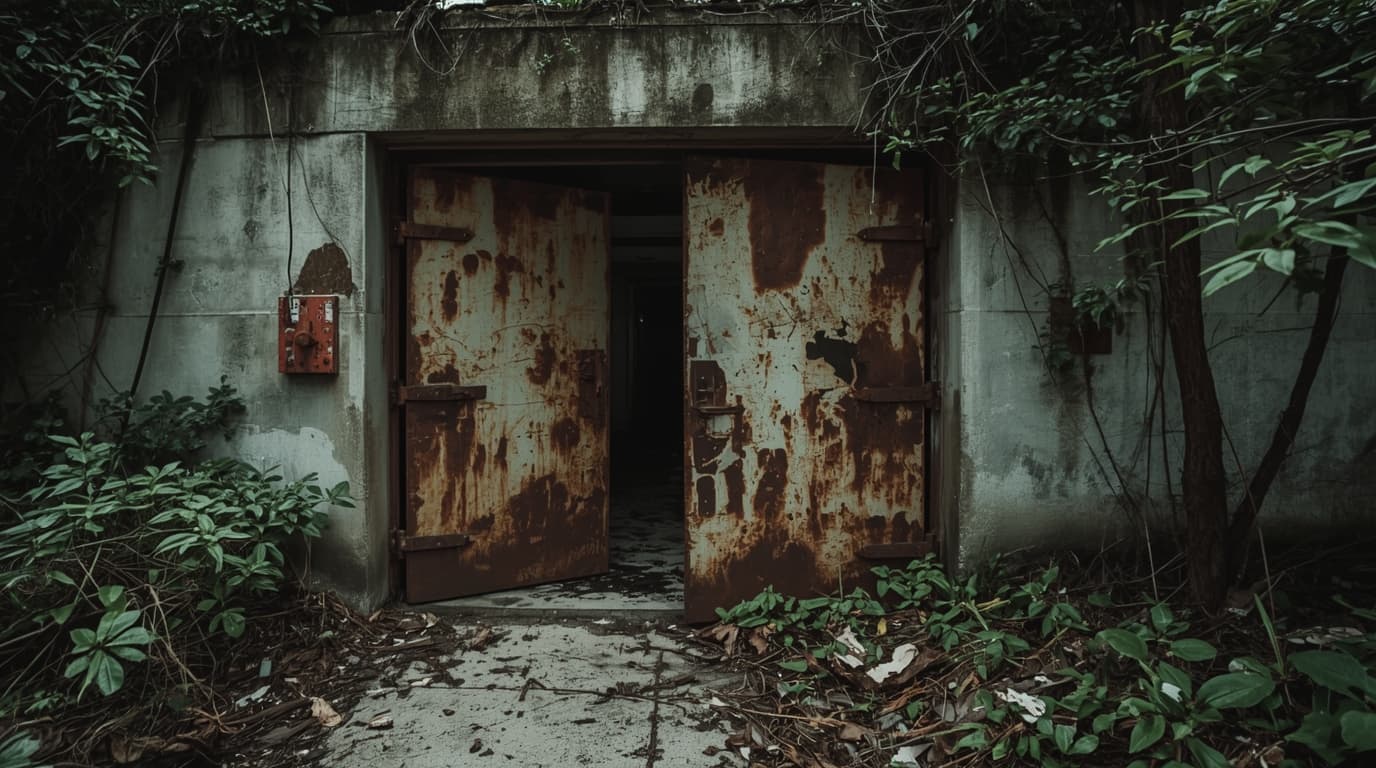
Looking for a Germany urbex map near Strasbourg? The most useful search zone is the Franco-German border around Kehl, the Upper Rhine, and the Ortenau corridor. This area concentrates abandoned military remains, old rail infrastructure, riverside industry, and scattered technical buildings within easy reach of Strasbourg.
MapUrbex focuses on verified locations, curated maps, and a preservation-first approach. This guide explains what you can realistically find near the border, how to narrow your search, and what legal and safety limits matter. It does not provide trespass instructions, forced-entry advice, or sensitive coordinates.
Where can you find a Germany urbex map near Strasbourg and Kehl?
A Germany urbex map near Strasbourg is most useful when it focuses on Kehl, the Upper Rhine, and nearby Ortenau towns rather than Germany as a whole. For most people, a curated map is the fastest way to find urbex near Strasbourg, urbex in Kehl, and Franco-German border sites by category, distance, and current condition without relying on outdated forum posts.
Quick summary
- The Strasbourg-Kehl corridor is one of the simplest areas for cross-border urbex research.
- The most common site types are bunkers, rail remains, warehouses, depots, barracks, and utility buildings.
- Kehl is the most practical German-side base if you start from Strasbourg.
- A curated map saves time by filtering places by region, type, and reliability.
- Responsible urbex means no trespassing, no forced access, and no damage.
- MapUrbex is built around verified locations and preservation-first use.
Quick facts
| Item | Details |
|---|---|
| Main search area | Strasbourg, Kehl, Upper Rhine, Ortenau |
| Best for | Border bunkers, industrial remains, rail sites, river infrastructure |
| Typical trip style | Short cross-border day trips from Strasbourg |
| Why maps matter | They reduce dead ends and outdated leads |
| Main legal point | Entry rules depend on ownership and local restrictions |
| Safety priority | Structural stability, water proximity, and military remnants |
What kinds of urbex places can you actually find near the Franco-German border?
Near Strasbourg and Kehl, the most realistic finds are small and medium-sized sites rather than giant abandoned complexes. The border zone is strongest for military remains, transport infrastructure, industrial edges, and forgotten service buildings linked to the Rhine corridor.
-
Rhine bunkers and defensive structures The border belt contains many military remnants, especially concrete bunkers and support positions. They are historically important but may be fragile, flooded, or restricted.
-
Former customs and border service buildings Older cross-border administration sites sometimes survive in altered or partially unused form. They are usually small, but they matter for people researching the history of the frontier.
-
Disused railway sidings and freight areas The Rhine corridor produced extensive rail infrastructure for freight and logistics. Old sidings, sheds, and platform remains are common search targets.
-
Industrial warehouses around Kehl Kehl and its surroundings include port, logistics, and manufacturing zones. The most interesting urbex material is often found on the edge of active industrial districts.
-
Old depots and maintenance workshops Service buildings linked to transport or municipal functions often fall out of use before larger complexes do. These sites are usually modest in size but easy to identify on a good map.
-
Former barracks and training support buildings The wider border region has a military history that still leaves traces in scattered support structures. Access conditions vary widely and should never be assumed.
-
River port technical structures The Rhine creates opportunities to find pump houses, loading areas, utility rooms, and small waterside industrial remains. Water, rust, and unstable floors are common hazards.
-
Abandoned silos and storage halls Agricultural and light-industrial storage sites appear in the wider Ortenau area. Their visual appeal often comes from scale, geometry, and weathered surfaces.
-
Closed roadside inns or small hotels Rural edges on the German side sometimes include hospitality buildings that have been closed for years. They are unpredictable and often remain private property.
-
Forest-edge shelters and utility buildings Outside dense urban areas, you may find isolated technical cabins, shelters, or forgotten infrastructure at the edge of woodland. These places are low-profile but frequent on detailed maps.
Why is Kehl the main base for urbex near Strasbourg?
Kehl is the main base because it sits directly across the Rhine from Strasbourg and gives fast access to both urban and semi-rural German search zones. For cross-border explorers, it is the logical starting point for finding German locations without committing to a long road trip.
The practical advantage is density. Within a relatively small radius, you can move from riverside infrastructure to industrial belts, rail traces, and villages in Ortenau. That is why many searches for urbex near Strasbourg end up focusing on Kehl and its surroundings.
How should you use a curated Germany urbex map?
A curated Germany urbex map should be used as a filter, not as a dare. The goal is to sort locations by relevance, condition, and legality before you travel.
Start with Browse all urbex maps if you want a wider overview, then use Access the free urbex map for a practical starting point. If your research method still needs work, How to Find Secret Urbex Locations: Real Methods That Work, Abandoned Places Near Me: How to Find Urbex Spots Easily, and Urbex Near Me: How to Find Abandoned Places Fast explain how to build stronger searches without depending on random social posts.
A good workflow is simple:
- define a tight radius from Strasbourg or Kehl
- focus on one site type at a time
- check ownership and visible restrictions
- avoid active sites, sealed sites, and dangerous structures
- leave every place untouched
What legal and safety rules matter on the Franco-German border?
The main rule is simple: an abandoned building is not automatically legal to enter. Ownership, fencing, posted signs, environmental rules, and local restrictions still apply on both sides of the border.
For that reason, MapUrbex promotes responsible urbex only. Do not trespass, do not force doors, do not bypass locks, and do not remove objects. Border areas can also include water hazards, unstable concrete, asbestos, broken glass, and former military risks. If access is not clearly lawful and safe, skip the site.
Responsible exploration protects both people and places. The best urbex trip is one that leaves no trace and causes no conflict.
Which search patterns work best for urbex near Strasbourg and Kehl?
The best search pattern is to think in corridors, not isolated pins. Around Strasbourg and Kehl, the strongest corridors are the Rhine, rail lines, port edges, and older industrial districts leading into Ortenau.
This matters because search intent often overlaps. Someone looking for urbex near Strasbourg may find better results on the German industrial side. Someone looking for urbex in Kehl may end up finding bunkers, depots, or utility sites slightly outside the town. A curated map connects those patterns quickly.
FAQ
Is urbex in Germany legal?
Urbex in Germany is only legal when access is lawful. If a site is privately owned, fenced, signed, or clearly closed, entry without permission is not legal.
Are there bunkers near Kehl and the Strasbourg border?
Yes. The Upper Rhine border belt is known for military remnants, including bunkers and defensive structures. Exact access and condition vary widely, so public coordinates should be handled carefully.
Is Kehl better than Strasbourg for finding German urbex spots?
Yes. Kehl is the most practical German-side starting point because it connects directly to the border corridor and nearby Ortenau areas.
Should exact coordinates of abandoned places be shared publicly?
In most cases, no. Public overexposure increases damage, theft, and unsafe visits. Curated systems are better because they can prioritize verification and preservation.
Conclusion
A Germany urbex map near Strasbourg works best when it focuses on Kehl and the wider Upper Rhine border zone. The most reliable targets are not secret mega-sites but a mix of bunkers, rail remains, industrial edges, depots, and small technical buildings.
If you want to save time, use curated maps, verify conditions, and keep your approach legal and low-impact. That is the most efficient way to explore the Franco-German border responsibly.
Access the free urbex map
