 MapUrbex
A practical urbex Italy guide to finding abandoned places in Rome, Milan, and Naples with a safer, legal, and map-based approach.
Urbex Italy: Guide to Abandoned Places in Rome, Milan, and Naples
Urbex Italy attracts photographers, historians, and travelers because the country combines industrial ruins, disused institutions, villas, factories, military structures, and abandoned thermal sites within a relatively compact geography.
The main challenge is not finding curiosity. It is filtering outdated tips, avoiding unsafe sites, and checking access conditions city by city. A good urbex Italy guide should help you find abandoned places in Italy more efficiently while staying legal, respectful, and preservation-first.
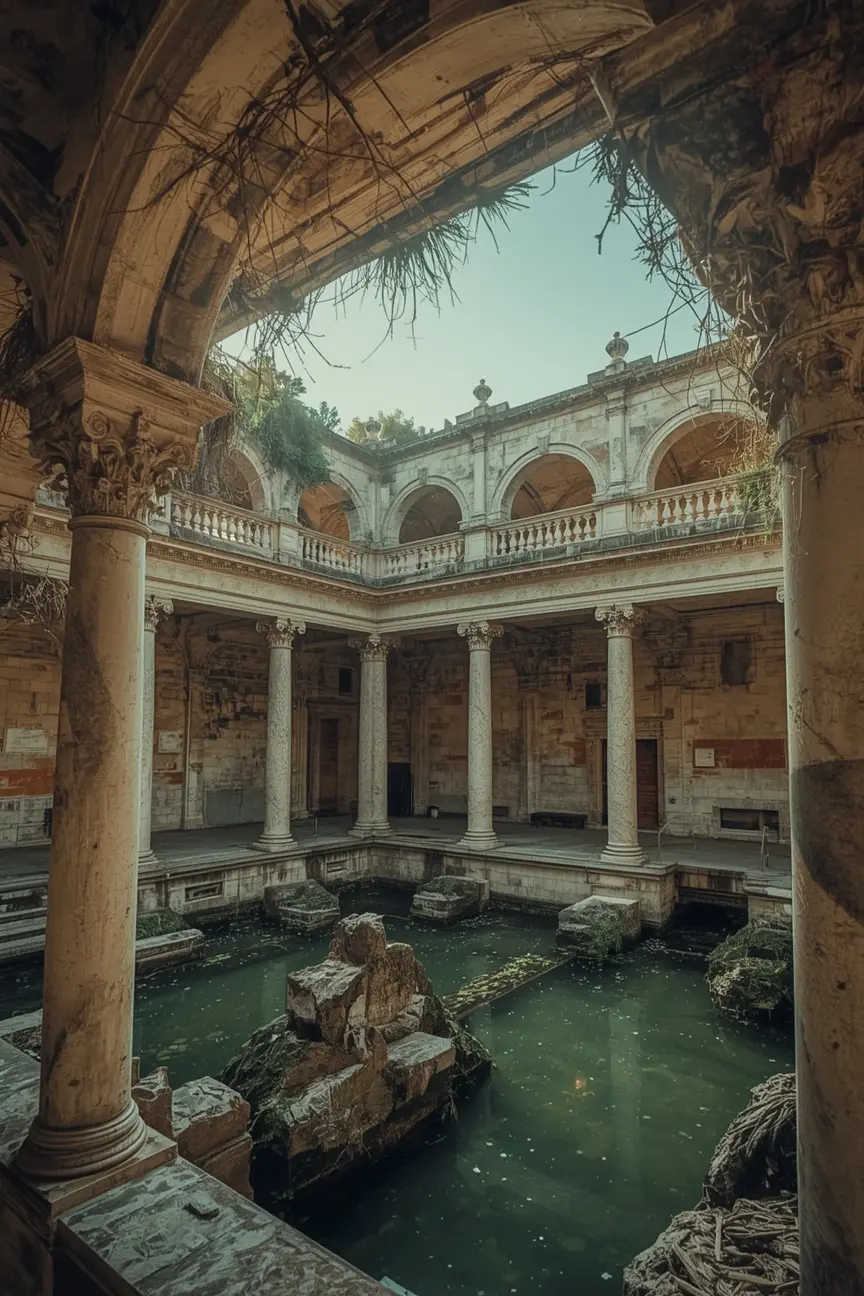
What is the best way to do urbex in Italy?
The best way to approach urbex Italy is to use a curated map, verify recent access conditions, and plan around legality and safety before you travel. In practice, that means checking whether a place is private or protected, avoiding forced entry, and focusing your research on documented abandoned places near major hubs such as Rome, Milan, and Naples.
Quick summary
- Italy is one of Europe’s most varied urbex destinations because it mixes industrial, institutional, residential, and military heritage.
- Rome, Milan, and Naples are strong research bases, but each city has a different abandoned-place profile.
- Random online lists are often outdated; curated maps save time and reduce wasted trips.
- Many abandoned places in Italy are private property or protected heritage, so legal checks matter.
- Responsible urbex means no trespassing, no forced access, no vandalism, and no location abuse.
- MapUrbex is useful when you want a preservation-first way to browse organized spots and plan routes.
Quick facts
- Country focus: Italy
- Primary search hubs: Rome, Milan, Naples
- Common site types: factories, villas, hospitals, hotels, military sites, thermal complexes
- Main research problem: outdated coordinates and unclear access status
- Best planning method: curated maps plus recent verification
- Essential rule: never enter without permission and never force access
Why is urbex Italy so popular?
Urbex Italy is popular because Italy has layered history, dense regional variation, and many types of disused architecture within reachable distances. That combination gives explorers more variety than a single-city search in many other countries.
In practical terms, people searching for abandoned places in Italy are usually looking for one of three things: photographic atmosphere, architectural interest, or trip planning around major cities. Rome, Milan, and Naples keep appearing in search results because they are transport hubs and because their wider metropolitan areas connect to older infrastructure, institutions, and industrial belts.
Italy also attracts researchers who want more than one type of location. A single trip can include a former industrial site, an abandoned villa, and a disused public building. That variety is one reason the keyword set around urbex Rome, urbex Milan, and urbex Naples keeps growing.
Which abandoned places can you realistically find in Italy?
In Italy, the most realistic abandoned-place categories are industrial sites, former healthcare buildings, empty villas, hotels, military remains, and neglected leisure complexes. Availability depends on region, access status, and whether a site has already been sealed, demolished, or repurposed.
The point is to think in categories rather than chase viral pins. When you search by category, your research becomes more stable and easier to verify.
Typical categories include:
- Industrial ruins: warehouses, workshops, mills, plants, and logistics structures
- Institutional sites: hospitals, schools, clinics, and administrative buildings
- Residential heritage: villas, mansions, apartments, and rural estates
- Military or infrastructure sites: barracks, tunnels, depots, and service buildings
- Hospitality and leisure sites: hotels, thermal centers, holiday resorts, cinemas
Not every category is equally easy in every city. Milan research often starts with industrial or rail-edge zones. Rome research often expands into large peripheral institutional or service areas. Naples can combine coastal, residential, medical, or hillside contexts. These are patterns, not guarantees, which is why current verification matters.
How do Rome, Milan, and Naples differ for urbex research?
Rome, Milan, and Naples differ mainly in urban fabric, site distribution, and research friction. Rome is broad and layered, Milan is efficient but often more controlled, and Naples can be highly rewarding but requires more attention to terrain, neighborhood context, and access uncertainty.
| City | Common research focus | Main difficulty | Best approach |
|---|---|---|---|
| Rome | large institutional sites, villas, peripheral complexes | distance and fragmented urban sprawl | map-based filtering before travel |
| Milan | industrial remains, warehouses, edge-of-network sites | fast redevelopment and tighter access control | recent verification and route efficiency |
| Naples | villas, hospitals, coastal or hillside structures | uneven terrain and less predictable conditions | cautious planning and daylight scouting |
For urbex Rome, planning matters because the metro area is extensive. A place that looks close on a map can still take time to reach, and multiple suburban belts have different access realities.
For urbex Milan, the key issue is speed of change. Locations can disappear through redevelopment or become inaccessible quickly. Good data is more valuable than broad keyword hunting.
For urbex Naples, context matters even more. Terrain, neighborhood layout, and visibility can change the practical difficulty of a visit. In other words, the map matters, but route judgment matters too.
How can you find abandoned places in Italy more efficiently?
The fastest way to find abandoned places in Italy is to use a curated resource instead of relying on scattered forum posts, recycled social media lists, or vague map pins. A structured map reduces search noise and helps you compare cities, categories, and travel options.
MapUrbex is built for that workflow. You can start with Browse all urbex maps if you want a broad view, or go directly to Access the free urbex map if you want a lighter entry point.
If you want more context before choosing a route, these guides help explain the research process:
- Italy Urbex Map: How to Find Abandoned Places in Italy
- Italy Urbex Map: Find Abandoned Places in Italy More Easily
- Italy Urbex Map: Find Abandoned Places in Italy
A curated system is better than random searching for four reasons:
- It saves time.
- It reduces dead leads.
- It makes city-by-city comparison easier.
- It supports more responsible decision-making around access and risk.
What legal and safety rules matter most in Italy?
The most important rules are simple: do not trespass, do not force entry, and do not damage or remove anything. Many abandoned places in Italy are private property, heritage sites, or structurally unstable buildings, so curiosity never overrides law or safety.
Keep these reminders in mind:
- Access law comes first. If you do not have permission, do not enter.
- Forced access is never acceptable. Locks, fences, boarded openings, and barriers are clear stop signs.
- Preservation matters. Leave everything as found and never publish details in a way that invites vandalism.
- Structural risk is real. Floors, roofs, stairs, shafts, glass, and water damage can fail without warning.
- Solo risk is higher. If a place is remote or unstable, reconsider the plan.
MapUrbex’s positioning is preservation-first for a reason. Better urbex research is not just about finding a place. It is about choosing places and methods that respect people, law, and heritage.
How should you prepare a responsible urbex trip in Italy?
A responsible urbex trip in Italy starts before departure: choose a realistic route, verify the latest status you can, and define clear stop conditions if access is unclear or the site looks unsafe. Good preparation prevents bad decisions on site.
A practical checklist looks like this:
- choose one city or corridor rather than an overpacked multi-city plan
- prioritize daytime scouting
- wear proper footwear and bring basic light and charged phone backup
- check weather, because water damage and slippery surfaces change risk fast
- avoid sharing sensitive entry details publicly
- leave immediately if the place is active, occupied, protected, or clearly secured
For travel planning, many people start with Rome, Milan, or Naples because each city gives access to wider regional research. The smarter move is not to chase the biggest list. It is to build a short, verified shortlist.
FAQ
Is urbex legal in Italy?
Urbex itself is not a permit. Legality depends on access rights, property status, local restrictions, and whether a site is protected. If you do not have permission to enter, do not enter.
What are the best cities for urbex in Italy?
Rome, Milan, and Naples are among the most searched cities because they combine transport access with broad metropolitan variety. The best city for you depends on whether you prefer industrial, institutional, residential, or mixed-site research.
Can I use a map instead of random Google searches?
Yes. A curated map is usually more efficient than random searching because it organizes research and reduces outdated leads. That is especially useful when you want to compare abandoned places in Italy across several cities.
Why are verified locations better than crowd-sourced lists?
Verified or curated locations are better because they reduce uncertainty. Crowd-sourced lists often spread old coordinates, demolished sites, or places with unclear access conditions.
What should I never do at an abandoned place in Italy?
Never trespass, never force entry, never break or take objects, and never publish sensitive details in a way that encourages vandalism or unsafe behavior.
Conclusion
Urbex Italy is worth researching because the country offers unusual variety, but efficient research matters more than hype. If you want to find abandoned places in Italy around Rome, Milan, and Naples, start with organized data, verify conditions, and keep preservation and legality at the center of every decision.
Access the free urbex map
