 MapUrbex
A practical guide to using a Germany urbex map to research abandoned places with verified data, legal awareness, and a safety-first approach.
Germany Urbex Map: Find Abandoned Places Safely and Legally
Germany has a large and varied stock of abandoned factories, hospitals, military sites, rail buildings, and industrial complexes. That makes a Germany urbex map useful, but only when the information is current and responsibly curated.
Random pins, copied coordinates, and outdated forum threads often waste time or create legal and safety problems. MapUrbex focuses on verified locations, responsible urbex, and preservation-first research.
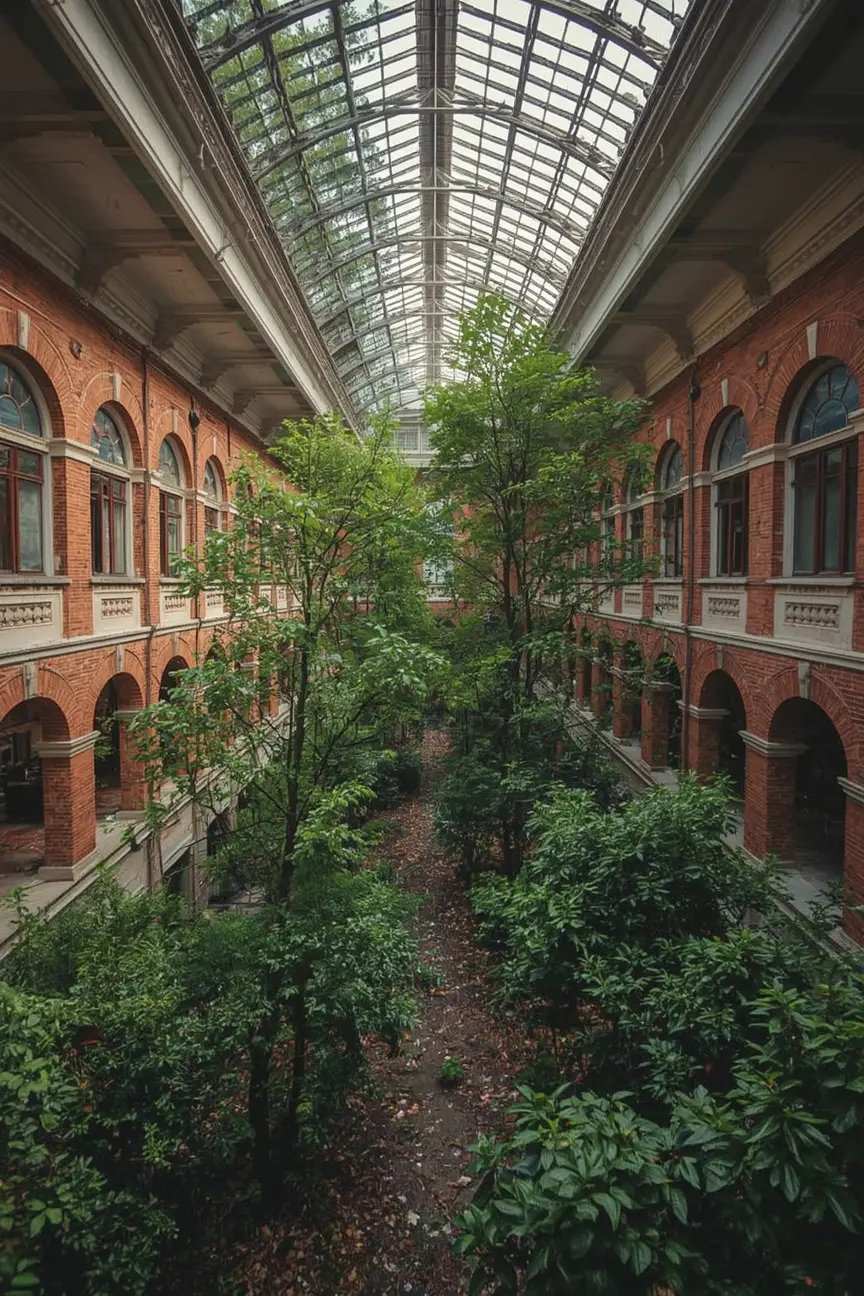
What is the best way to use a Germany urbex map to find abandoned places safely and legally?
A Germany urbex map works best when it shows verified locations, clear regional filters, and context beyond raw coordinates. The safest method is to use a curated map, confirm ownership and local access rules, and never enter without permission. In Germany, legal compliance and site preservation matter as much as finding the place.
Quick summary
- Use a curated map instead of unverified coordinates from social media.
- Look for verified status, recent updates, and notes about building type and condition.
- Research ownership, local restrictions, and redevelopment before planning any visit.
- Former industrial and rail areas often have more abandoned sites, but not every site is visitable.
- Treat urbex in Germany as research first, photography second, and access only when legal.
- Start with Browse all urbex maps or test the platform with Access the free urbex map.
Quick facts
| Topic | Practical answer |
|---|---|
| Main keyword | Germany urbex map |
| Best tool | A curated abandoned places map with verified entries |
| Common site types | Factories, barracks, clinics, rail sites, hotels |
| Main risk | Outdated information, unsafe structures, illegal entry |
| Best approach | Verify status, check permission, plan conservatively |
Why use a curated Germany urbex map instead of random coordinates?
A curated Germany urbex map reduces noise. Many public lists of abandoned places in Germany mix demolished sites, active private property, duplicate entries, and misleading access claims.
A good map does more than show a point on a screen. It helps you compare regions, understand the type of location, and decide whether a place is worth further research. That matters in Germany, where ownership rules, fencing, redevelopment, and local enforcement vary widely.
MapUrbex is built around verified locations and responsible urbex. The point is not to encourage risky access. The point is to make the research stage more reliable.
How can you find abandoned places in Germany without relying on unreliable sources?
The most reliable process is layered research. Start with a verified map, then cross-check the site with recent imagery, local context, and any signs of current use or redevelopment.
For a broader method, see Urbex in Germany: How to Find Abandoned Places Legally and Safely and Urbex Map Europe: How to Find Verified Abandoned Places Safely.
Useful signals include:
- building type and age
- industrial decline or rail history in the area
- recent satellite changes
- signs of redevelopment
- whether the place is known for legal public access, guided access, or no access
If a source offers only coordinates and excitement, it is not enough. Reliable urbex research needs context.
Which regions in Germany usually have more abandoned sites?
Germany's abandoned places are not distributed evenly. Former industrial regions, transport corridors, and areas shaped by military or manufacturing history tend to have a higher concentration of disused sites.
In practice, users often search more heavily in:
- North Rhine-Westphalia for industrial and mining heritage
- parts of Saxony and Saxony-Anhalt for factories and infrastructure
- Brandenburg and former military zones for barracks and training areas
- older rail and logistics corridors across several federal states
This does not mean every site is accessible or lawful to enter. Many abandoned places are fenced, monitored, structurally unsound, or under redevelopment. A map of abandoned places is a research tool, not permission.
Safety reminder: never force entry, bypass barriers, or assume abandonment equals legal access. Responsible urbex starts with permission, caution, and respect for the site.
What should a good abandoned places map include?
A useful map of abandoned places in Germany should include more than location data. It should help users judge relevance, reliability, and risk.
Look for these features:
- verified or reviewed listings
- region and category filters
- notes on building type and condition
- recent update signals
- duplicate cleanup
- clear safety framing
- broad enough coverage to compare options
That is why many users begin with Browse all urbex maps and then narrow their search by country and region. If you only have scattered pins, you still have not solved the main problem, which is identifying trustworthy locations.
How do you check whether a place is legal and safe to visit?
In Germany, the first question is not whether a place looks abandoned. The first question is whether access is lawful and reasonably safe.
Use this checklist before planning anything:
- Confirm whether the property is private, public, active, or under redevelopment.
- Look for visible barriers, posted rules, or security presence.
- Check whether the structure appears unstable, fire-damaged, flooded, or contaminated.
- Avoid rooftops, shafts, underground spaces, and partially collapsed buildings.
- Do not go alone, and do not rely on old trip reports.
- If permission is not clear, do not enter.
A good urbex Germany routine is conservative. You lose less time by skipping a doubtful site than by traveling to a location that is unsafe or illegal.
How does MapUrbex help people research verified locations in Germany?
MapUrbex is built for people who want better location research, not reckless access. The platform focuses on curated maps, verified listings, and a structure that makes country-level planning easier.
That matters for transactional searches because people looking for a Germany urbex map usually want one of three things:
- a faster way to find abandoned places
- a way to sort locations by region or category
- more confidence that a listing is not outdated or fake
If that is your goal, starting with a verified database is more efficient than searching random forums one by one.
FAQ
Is a Germany urbex map legal to use?
Yes. Research tools and maps are legal to use. What matters is how you act on the information. Viewing a map is not the same as having permission to enter a site.
Can I use a map to find abandoned places in Germany for photography?
Yes, but photography does not override property law or safety limits. You still need lawful access and a realistic assessment of site conditions.
Are abandoned factories in Germany easier to find than other site types?
Often yes, because industrial sites leave larger physical traces and are easier to spot in historical or satellite research. However, they are also commonly fenced, monitored, or structurally degraded.
Why are verified locations better than crowdsourced coordinates?
Verified locations reduce duplication, outdated entries, and misleading claims. They do not remove all risk, but they improve the quality of the research stage.
Should beginners use free resources before buying a map?
Usually yes. A free sample helps you evaluate coverage, interface, and data style before committing to a larger map.
Conclusion
A Germany urbex map is most useful when it helps you research abandoned places with better data, realistic expectations, and a legal mindset. The right map does not promise effortless access. It helps you find reliable leads, compare regions, and avoid bad information.
For most users, the safest and most efficient path is simple: use verified locations, check local conditions, respect property rules, and treat preservation as part of the method.
Access the free urbex map
