 MapUrbex
A practical guide to a Nord urbex map: 7 bunker and factory profiles, key risks, and how curated maps help you plan responsibly.
Nord Urbex Map: 7 Abandoned Bunkers and Factories Worth Researching
Nord has one of the densest mixes of military relics and industrial abandonment in northern France. That makes a Nord urbex map useful for photographers, historians, and careful explorers who want context before they travel.
MapUrbex follows a preservation-first approach. The goal is not reckless access. The goal is to identify verified locations, understand the site type, and screen out random coordinates that create legal or safety problems.
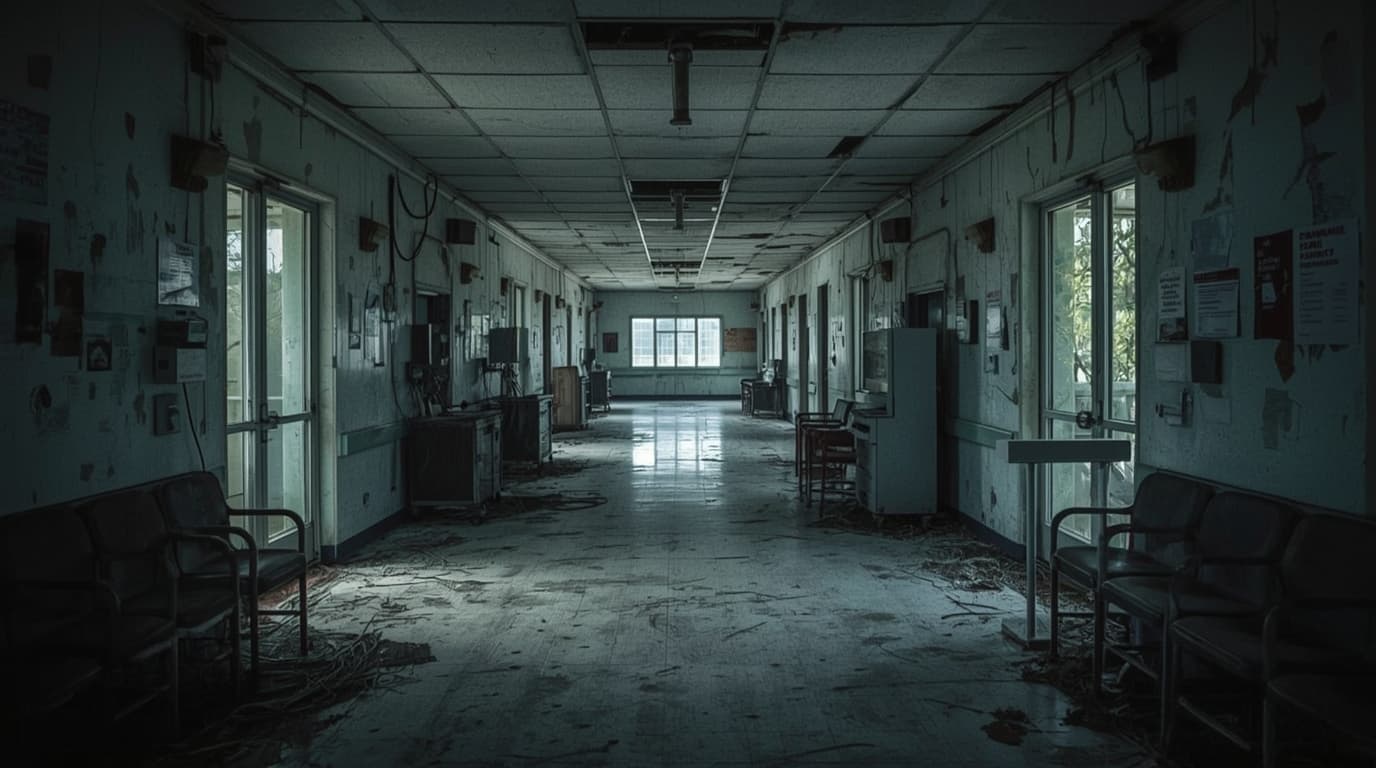
What does a Nord urbex map actually help you find?
A Nord urbex map helps you identify verified abandoned-site categories across the department, especially bunkers and former industrial plants, with enough context to plan responsibly. It does not guarantee legal entry or safety. Its real value is better research, clearer risk screening, and fewer blind trips to sealed, demolished, or private sites.
Quick summary
- A good Nord urbex map is most useful for planning, not for posting raw coordinates.
- Nord is heavily searched for abandoned bunkers and factories because of its wartime and industrial history.
- The best spot types to research are documented ruins, visible exteriors, and places with readable surroundings.
- Accessible should mean easier to assess, not automatically legal or safe to enter.
- Curated maps reduce wasted travel by filtering out demolished, flooded, or heavily secured sites.
- Responsible urbex always means no forced entry, no vandalism, and no sharing of sensitive access details.
Quick facts
- Area covered: Nord department in Hauts-de-France
- Main site families: WWII bunkers, textile mills, metal plants, brickworks, food-processing factories
- Best use case: photography planning, historical research, route building, daylight reconnaissance
- Main risks: unstable floors, water infiltration, asbestos, hidden shafts, active private ownership
- Best method: verify the legal status, inspect the perimeter in daylight, and leave if conditions are unclear
Which 7 abandoned bunkers and factories are most useful to research on a Nord urbex map?
The most useful profiles are the ones that appear repeatedly across the department and can be assessed from public context before any visit. In practice, that means a mix of military bunkers and industrial shells with visible structure, documented history, and manageable route planning.
| Site profile | Why it matters on a map | Typical risks | Best practice |
|---|---|---|---|
| Coastal observation bunker | Strong historical interest | Flooding, collapse, sealed entrances | Focus on exterior study and legal perimeter |
| Inland ammunition bunker | Compact military site type | Hidden voids, damp air | Avoid enclosed entry without authorization |
| Command bunker near rail infrastructure | Useful for WWII route research | Active rail zones, fencing | Keep distance from live infrastructure |
| Textile mill | Core Nord industrial heritage | Rotten floors, glass, asbestos | Prefer exterior photography |
| Brick or tile works | Easy to identify in the landscape | Kiln pits, unstable roofs | Stay off elevated structures |
| Metalworking plant | Large-scale industrial ruin | Oils, pits, machinery hazards | Do not enter dark workshop areas |
| Sugar or food-processing factory | Distinct regional industry | Corrosion, tanks, chemical residues | Treat all service areas as hazardous |
1. Coastal observation bunker
This is one of the most searched bunker types in Nord because the coastline still carries visible wartime remains. On a curated map, the real value is knowing whether the structure is still present, partially buried, or inside a protected or sensitive zone.
2. Inland ammunition bunker
Smaller bunkers inland often look simple from outside but can be more dangerous than larger ruins. Damp interiors, blocked ventilation, and hidden drops are common issues. For most visitors, this is a site type best approached as an exterior documentation stop unless permission exists.
3. Command bunker near a former rail corridor
These sites attract both military-history enthusiasts and photographers because they connect transport history with wartime infrastructure. The main problem is proximity to active lines, industrial yards, or fenced land. A map is useful here because context matters more than spectacle.
4. Textile mill shell
Nord is historically tied to textile production, so abandoned mills remain one of the region's classic urbex searches. They often offer large facades, broken windows, and strong documentary value, but internally they are among the least predictable structures.
5. Brickworks or tile factory
Brick and tile sites are easier to recognize thanks to kilns, chimneys, and linear buildings. They are also good examples of why a curated map matters: some survive as photogenic shells, while others are now unstable fragments or reused industrial land.
6. Metalworking plant
Former metal plants are visually impressive and often large enough to dominate a map search. They also concentrate hazards: pits, hanging elements, oily surfaces, and poor light. Research value is high, but blind exploration is a bad trade-off.
7. Sugar refinery or food-processing factory
Agricultural and food-processing industry left a second layer of abandonment in Nord. These locations are interesting because they differ from military ruins: tanks, conveyors, loading zones, and utility blocks tell a different story of regional production and decline.
Why are abandoned bunkers and factories so common in Nord?
They are common because Nord combines two major historical layers: wartime fortification and heavy industry. The department contains coastal and inland military remnants linked to twentieth-century conflict, while its towns developed around textiles, metalworking, brick production, and food processing. That overlap creates an unusually dense urbex landscape.
A practical consequence follows. Searches for abandoned bunkers in Nord and abandoned factories in Nord are not random trends. They reflect the department's built history. A reliable map helps separate authentic remnants from vague rumors or already-cleared lots.
How should you judge whether a place is actually accessible and lower-risk?
You should judge it by approach conditions, visibility, legal status, and structural clues, not by social-media hype. In urbex, accessible only means easier to locate and assess. It never means guaranteed permission, guaranteed entry, or guaranteed safety.
Use a simple checklist:
- Check whether the site can be observed from public space without crossing barriers.
- Prefer daylight first visits.
- Avoid places with fresh security measures, exposed roofs, standing water, or signs of fire damage.
- Treat bunkers as confined spaces and factories as structurally degraded spaces.
- Leave immediately if ownership, access rights, or stability is unclear.
This is where curated mapping is more useful than crowdsourced pin drops. Verified notes about demolition, fencing, flooding, and neighborhood changes save time and reduce bad decisions.
What makes a curated Nord urbex map better than random shared coordinates?
A curated Nord urbex map is better because it adds context, filtering, and updates. Raw coordinates may point to a demolished shell, a live business, or a site that was never interesting in the first place. A curated map explains what the place is, why it matters, and what type of caution it requires.
For broader planning, Browse all urbex maps shows how Nord fits into a larger network of researched areas. If you want better research workflows, start with How to Find Secret Urbex Locations: Real Methods That Work and Urbex Near Me: How to Find Abandoned Places Fast.
How can you use this list without damaging locations?
You can use it responsibly by treating the list as a research framework, not a challenge list. The safest and most ethical approach is to study history, verify ownership, photograph only where lawful, and avoid sharing vulnerable access details.
Good practice looks like this:
- prioritize exteriors and public viewpoints;
- ask permission where possible;
- never force doors, fences, or covers;
- never remove objects;
- avoid graffiti and staged scenes;
- keep small groups and low impact.
That approach protects both the place and the people around it. It also preserves the reliability of verified maps over time.
FAQ
Is a Nord urbex map mainly for bunkers or for factories?
It is usually useful for both. Nord stands out because military remains and industrial ruins coexist in high density, so a strong map normally includes both categories.
Are the places on an urbex map guaranteed to be safe?
No. No abandoned place is guaranteed safe. A map can reduce uncertainty by verifying the site type and recent status, but it cannot remove structural or legal risk.
Does accessible mean I can enter legally?
No. Accessible should be read as easier to locate, document, or assess. Legal entry depends on ownership, restrictions, and local conditions.
Why not publish exact access instructions for every spot?
Because exact access instructions can accelerate damage, trespassing, and site loss. MapUrbex follows a preservation-first model and avoids encouraging harmful behavior.
What is the best first step if I am new to urbex in Nord?
Start with daylight reconnaissance, public-history research, and a curated map. That is much safer than chasing random pins or social posts.
Conclusion
A good Nord urbex map is most valuable when it helps you understand the region, not just consume coordinates. The strongest searches in Nord revolve around seven recurring profiles: coastal bunkers, inland bunkers, rail-linked command sites, textile mills, brickworks, metal plants, and food-processing factories. Those categories reflect the department's real history.
If you use that information with patience, legality, and preservation in mind, you will make better decisions and avoid the worst habits of careless exploration.
Access the free urbex map
