 MapUrbex
Discover 10 notable abandoned places in Slovakia, from Korytnica Spa and lost villages to industrial brownfields, with a responsible urbex perspective.
Top 10 Abandoned Places in Slovakia: Spas, Ghost Villages, and Industrial Ruins
Slovakia has a surprisingly varied abandoned landscape. Former spa resorts, depopulated mountain villages, Cold War sites, and industrial brownfields all appear within a relatively small country.
That variety makes abandoned places in Slovakia especially interesting for historical research and responsible urbex. It also means conditions vary sharply: some sites are visible from public roads, some are fenced or contaminated, and some stand in protected natural areas where access rules matter.
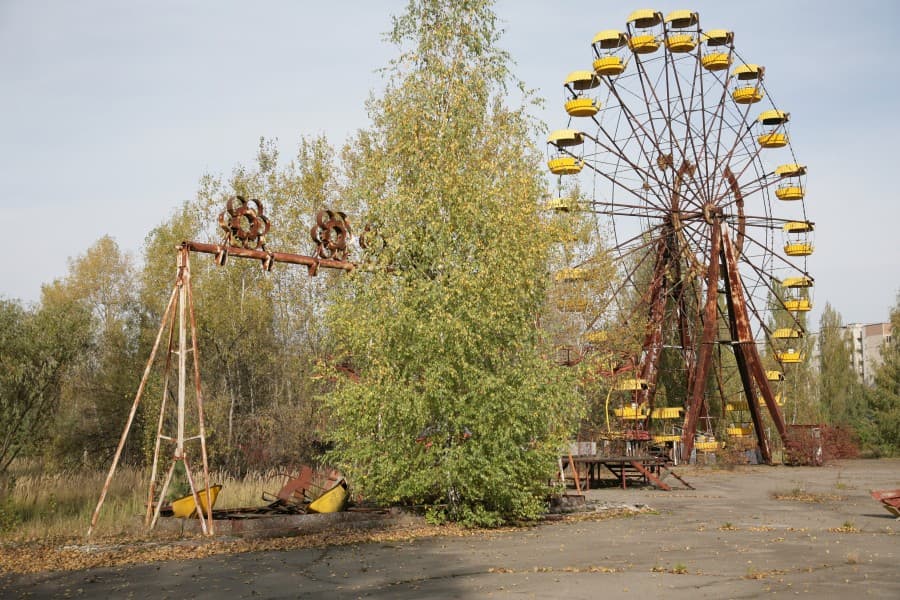
What are the most notable abandoned places in Slovakia?
The most notable abandoned places in Slovakia include Korytnica Spa, the lost villages around the Starina reservoir, the former Javorina military district, Chemko Strážske, and the old nickel smelter in Sereď. Together, they show the main causes of abandonment in the country: spa decline, military relocation, industrial closure, and the disappearance of rural settlements.
Quick summary
- Slovakia’s best-known abandoned places include spa complexes, ghost villages, mining remains, and industrial brownfields.
- Korytnica Spa is the country’s best-known abandoned spa site.
- Eastern Slovakia contains some of the strongest ghost-village and post-industrial locations.
- Several sites are hazardous because of unstable structures, contamination, or remote terrain.
- Many locations are on private land, in protected areas, or behind fences, so legal access must always be checked first.
- For responsible trip planning, use verified resources like Browse all urbex maps and avoid forced entry.
Quick facts
- Country: Slovakia
- Main keyword: abandoned places in Slovakia
- Common site types: spa ruins, abandoned villages, military remains, mines, factories
- Best-known example: Korytnica Spa
- Highest-risk categories: chemical plants, mines, remote ruins, fenced industrial brownfields
- Best use for visitors: historical observation, photography from legal viewpoints, regional route planning
Why is Slovakia a strong country for abandoned-place research?
Slovakia is a strong country for abandoned-place research because several different historical processes overlap there. Post-socialist industrial decline, military restructuring, failed or closed spa complexes, and the removal of villages for reservoirs or training zones all left visible traces.
This makes the country especially useful for people who want context, not just aesthetics. One route can connect a disused spa, a mining landscape, a vanished village, and a contaminated factory brownfield.
If you are planning a broader route, How to Plan an Urbex Road Trip in Europe is a practical starting point. If ghost settlements are your main interest, Abandoned Villages in Europe: 6 Ghost Towns, Their History, and Responsible Urbex adds wider regional context.
Which Slovak regions concentrate the most abandoned sites?
The strongest concentration of abandoned places in Slovakia is split between central and eastern regions. Central Slovakia stands out for spa and mining heritage, while eastern Slovakia is stronger for lost villages, former military zones, and heavy industrial brownfields.
| Region | Typical abandoned sites | Notable examples | Main caution |
|---|---|---|---|
| Central Slovakia | Spa ruins, mining infrastructure, historic industry | Korytnica, Medený Hámor, Banská Štiavnica area | Unstable buildings, protected heritage |
| Eastern Slovakia | Ghost villages, chemical plants, old mining zones | Starina villages, Javorina area, Chemko Strážske, Smolník | Remote terrain, contamination, unclear ownership |
| Western Slovakia | Military remnants, heavy industry | Sereď, Devínska Kobyla | Fences, security, nature protection |
| Northern mountain areas | Former resort and settlement remains | Lubické Kúpele and nearby former district sites | Weather exposure, isolation |
Browse all urbex maps
Which abandoned places in Slovakia deserve the most attention?
The most important abandoned places in Slovakia are the ones that best explain the country’s recent history. The list below favors historical value, recognizability, and variety over easy access. Many of these sites should be viewed only from legal public approaches unless you have explicit permission.
1. Korytnica Spa
Korytnica Spa is the best-known abandoned spa complex in Slovakia. Located in central Slovakia, it combines derelict treatment buildings, guest facilities, and the atmosphere of a once-important health resort.
Its appeal comes from contrast. The site reflects the long Central European spa tradition, but also the economic decline that left parts of that tradition behind. Conditions change over time, and ownership can be complex, so it is better approached as a historical site than as a place for intrusive exploration.
2. Lubické Kúpele
Lubické Kúpele is one of Slovakia’s most evocative abandoned spa settlements. The former spa area lies within the wider history of the Javorina military district, which caused several communities and resort spaces to lose their original function.
What makes Lubické Kúpele notable is its layered story. It is not only an abandoned resort; it is also part of a landscape reshaped by state decisions, military priorities, and forced change. That gives it more documentary value than many visually dramatic but historically thin ruins.
3. The lost villages around the Starina reservoir
The lost villages around the Starina reservoir are among the clearest examples of disappeared settlement in Slovakia. Several villages in the northeast were depopulated and removed when the water-supply project transformed the area.
Today, the interest is often less about standing architecture and more about traces: cemeteries, foundations, chapels, road lines, and memory landscapes. These sites matter because they show abandonment by displacement, not by gradual neglect. Access rules are especially important here because the reservoir area has restrictions.
4. The former Javorina military district villages
The former Javorina military district contains some of Slovakia’s most significant abandoned settlement remains. Villages and local infrastructure were emptied or heavily altered when the area served military purposes.
For researchers, Javorina is important because it links architecture, erased communities, and state planning. Some remains are subtle rather than spectacular, including church sites, ruins, and fragmented village layouts. Terrain, weather, and legal status vary, so this is a place for careful historical route planning rather than casual entry.
5. Chemko Strážske
Chemko Strážske is one of the most serious industrial abandonment sites in Slovakia. The former chemical complex is widely associated with environmental risk, making it important historically but unsuitable for reckless exploration.
This is a textbook brownfield. It shows how abandoned industry can remain dangerous long after production stops. For urbex readers, the correct lesson is not access but caution: contaminated sites should be treated as observation subjects, not adventure targets.
6. The former nickel smelter in Sereď
The former nickel smelter in Sereď is one of western Slovakia’s major post-industrial sites. Its scale and heavy-industry character make it visually strong, but its real value is as evidence of industrial transition.
Large metallurgical sites age differently from spas or villages. They often leave vast empty volumes, fenced perimeters, and unclear redevelopment plans. That means they can look accessible from a distance while remaining legally sensitive and physically hazardous up close.
7. Smolník’s mining and processing remains
Smolník is one of Slovakia’s historic mining areas, and its disused mining remains are important for anyone studying abandoned industrial landscapes. The site belongs to a longer regional story of extraction, environmental stress, and economic decline.
Unlike a single abandoned building, Smolník is better understood as a dispersed landscape. What matters is the relationship between settlement, spoil, water impact, and former industrial function. That makes it especially useful for photographers and researchers interested in post-mining geography.
8. The abandoned military structures on Devínska Kobyla
The abandoned military structures on Devínska Kobyla show a different side of Slovak abandonment. Near Bratislava, the area combines Cold War remains with a prominent natural setting.
This mix makes the site distinctive but also sensitive. Devínska Kobyla is not just a ruin field; it is also a protected landscape with marked paths and visitor rules. Responsible visitors should stay on legal routes and treat former military structures as historical remnants, not as spaces for risky entry.
9. Medený Hámor in Banská Bystrica
Medený Hámor is a key industrial-heritage site connected to older metalworking history in central Slovakia. Parts of the area have long carried the atmosphere of derelict industry, even when heritage interest and redevelopment discussions continue around them.
This is an important reminder that abandonment is not always total. Some Slovak sites sit between ruin, preservation, and reuse. For content research, that in-between status is valuable because it shows how industrial memory survives even before full restoration happens.
10. The disused mining infrastructure around Banská Štiavnica
The disused mining infrastructure around Banská Štiavnica deserves attention because it connects abandonment with one of the most important mining landscapes in Central Europe. Shafts, technical structures, and former support buildings illustrate how a working extraction system gradually became heritage.
Not every structure here fits the classic urbex image, and that is exactly why the area matters. It shows the border between abandoned place, industrial archaeology, and protected cultural landscape. Visitors should prioritize lawful viewpoints, museums, and marked heritage routes over closed structures.
How can you explore abandoned places in Slovakia responsibly?
You can explore abandoned places in Slovakia responsibly by verifying legal status first, avoiding forced entry, and treating hazardous or protected sites as places to observe rather than conquer. In Slovakia, that rule matters because many locations are privately owned, environmentally risky, or tied to sensitive local history.
- Check ownership and access before visiting.
- Do not climb into industrial shells, mine structures, or damaged roofs.
- Treat chemical plants and former heavy industry as contamination risks.
- Respect memorial landscapes such as lost villages, cemeteries, and churches.
- Stay on marked routes in protected natural areas.
- Use verified planning tools like Browse all urbex maps instead of improvising on site.
MapUrbex follows a preservation-first approach. The goal is to document places, understand their history, and reduce harm to sites that are already fragile.
FAQ
Is urbex legal in Slovakia?
Urbex is not automatically legal in Slovakia. Many abandoned places are on private land, fenced industrial property, or within protected landscapes. Legal viewing from public space is often possible, but entry always depends on permission and local rules.
What is the best abandoned spa in Slovakia?
Korytnica Spa is generally the best-known abandoned spa in Slovakia. It is widely cited because it combines recognizability, atmosphere, and historical context. Lubické Kúpele is also highly important, especially for people interested in settlement loss and military-era change.
Are there abandoned villages in Slovakia?
Yes, Slovakia has several important abandoned or disappeared village landscapes. The strongest examples are around the Starina reservoir and within the history of the former Javorina military district. These places often preserve traces rather than complete streetscapes.
Which Slovak abandoned places require the most caution?
Chemical and heavy-industrial brownfields require the most caution. Chemko Strážske, the former nickel smelter in Sereď, and unstable mine-related structures should never be treated like casual photography stops. Contamination, collapse risk, and security issues are all real concerns.
When is the best season to research abandoned places in Slovakia?
Spring and autumn are usually the most practical seasons. Vegetation is lighter than in high summer, and mountain weather is often more manageable than in winter. Even then, remote areas can change quickly, so route planning matters.
Conclusion
The best abandoned places in Slovakia are not limited to one category. The country stands out because spas, ghost villages, military landscapes, and industrial brownfields all exist within a compact territory and tell a clear historical story.
For responsible visitors, the key point is simple: Slovakia is valuable as a place to document and understand, not to force access. Use verified planning, respect ownership and safety limits, and prioritize preservation over proximity.
Access the free urbex map
