 MapUrbex
The Paris Crocodile was later associated with the aquarium in Vannes. This guide explains the animal's history, the closed site, and why the former aquarium is now described as abandoned.
The Paris Crocodile in Vannes: history of the abandoned aquarium
The Paris Crocodile in Vannes is one of those French local-history stories that keeps resurfacing online. It connects a strange news event in Paris to a former aquarium in Vannes that is now remembered as closed and abandoned.
For urbex readers, the interest is not just the animal itself. The story also shows how a leisure site can leave a long afterlife in local memory once the building closes.
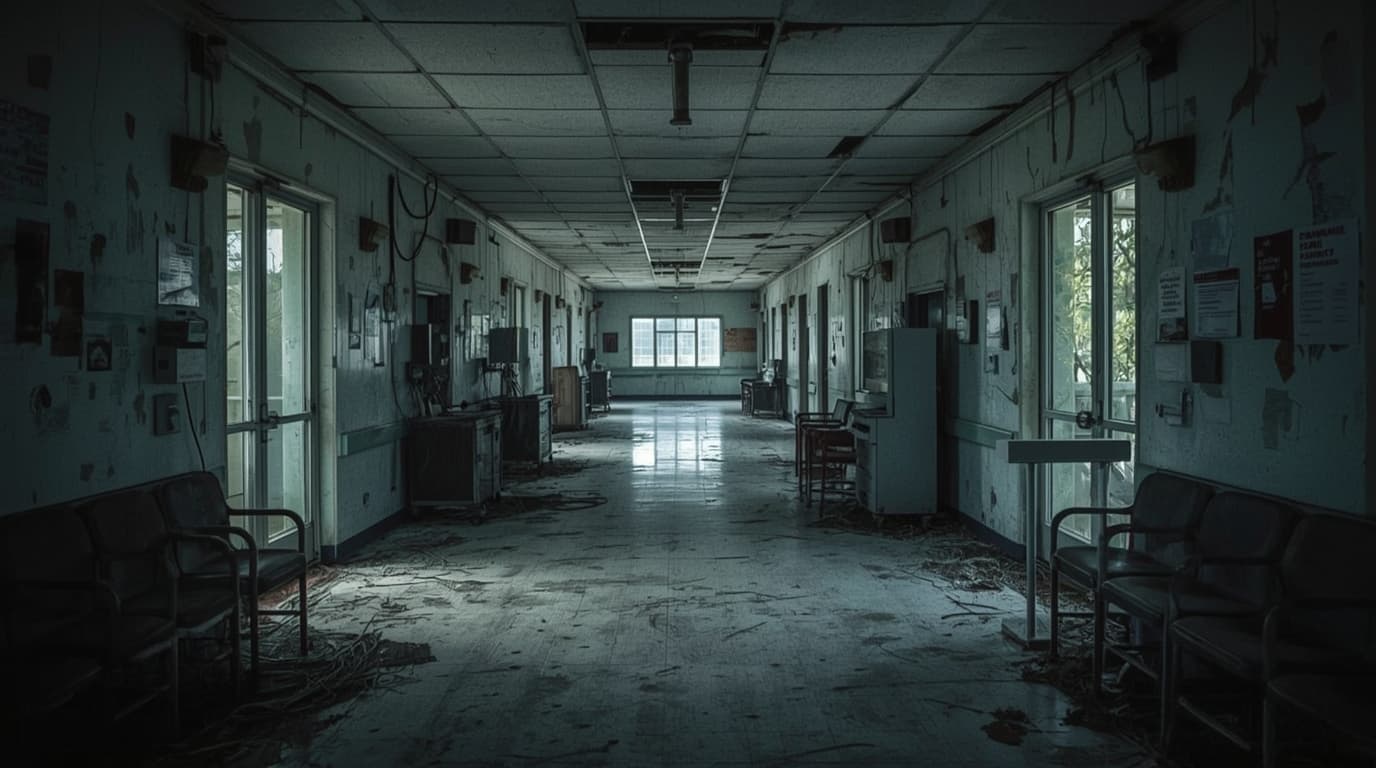
Was the Paris Crocodile really in Vannes?
Yes. The Paris Crocodile usually refers to the crocodile found in the Paris sewers in 1984, and repeated public accounts say it was later kept at the aquarium in Vannes. That is why searches for the Paris Crocodile in Vannes connect one unusual animal, one former aquarium, and a site now commonly described as abandoned.
Quick summary
- The Paris Crocodile is the animal discovered in the Paris sewer network in 1984.
- Publicly repeated accounts link that crocodile to the aquarium in Vannes.
- The former aquarium in Vannes is now closed and often described as abandoned.
- The site matters as both a local-history subject and an urbex research topic.
- The main value today is documentation, not risky or unauthorized entry.
- MapUrbex approaches places like this through preservation-first research and responsible exploration rules.
Quick facts
- City: Vannes
- Region: Morbihan, Brittany, France
- Topic: The Paris Crocodile and the former aquarium in Vannes
- Site type: Former aquarium and visitor attraction
- Current context: Closed site, commonly discussed as abandoned
- Research angle: Local history, urban memory, responsible urbex documentation
- Safety note: Access conditions change, and entering without authorization may be illegal and dangerous
Access the free urbex map
How did the Paris Crocodile end up in Vannes?
The crocodile reached Vannes because the animal rescued in Paris was later transferred to an aquarium collection there, according to repeated public accounts. In practical terms, the story moves from a sewer rescue in Paris to a long local association with the aquarium in Vannes.
The most stable part of the story is the beginning. In 1984, firefighters and animal handlers captured a live crocodile in the Paris sewer network near Pont Neuf. The event became a major curiosity because it mixed city infrastructure, media attention, and a very unexpected animal.
The later Vannes chapter is the reason the query still exists. Local memory and widely repeated reports connect the animal to the aquarium in Vannes, where it became part of the site's identity for years.
| Stage | Reliable takeaway |
|---|---|
| 1984 | A crocodile was found alive in the Paris sewer network near Pont Neuf. |
| After the rescue | The animal became a national media curiosity. |
| Later years | Repeated public accounts place the crocodile at the aquarium in Vannes. |
| Today | The former aquarium in Vannes is closed and commonly described as abandoned. |
That simple timeline explains the search intent behind "Paris Crocodile in Vannes." People are usually not looking for reptile biology. They want to understand how a famous Paris news story became attached to a closed attraction in Brittany.
What was the Vannes aquarium, and why is it now described as abandoned?
The Vannes aquarium was a visitor site known locally for aquatic displays and its association with the Paris Crocodile. It is now described as abandoned because the attraction no longer operates, and the former site survives mainly through memory, photographs, and urbex discussion.
This distinction matters. A closed aquarium is not automatically a public place, a museum, or a legal visit. Once a leisure site shuts down, ownership, access rights, and physical safety conditions can change quickly.
That is also why MapUrbex treats locations like this as research subjects first. The historical interest is real, but responsible documentation matters more than access rumors. If you are checking the status of any closed site, start with public information and avoid trespassing.
What are the 5 key stages in the story of the Paris Crocodile?
The story can be understood in five stages: discovery, media attention, transfer, site closure, and memorial afterlife. That sequence explains why the crocodile and the abandoned aquarium in Vannes are still linked today.
1. A crocodile was discovered in Paris in 1984
The story begins with a real urban incident. In 1984, a crocodile was found in the Paris sewer network, an event that was extraordinary enough to be remembered decades later.
This first stage matters because it is the source of the animal's nickname. Without the sewer discovery, there would be no "Paris Crocodile" and no later connection to Vannes in public memory.
2. The animal became a media story
The rescue quickly turned into a news item because it combined danger, absurdity, and city mythology. A crocodile in Paris sounded like fiction, so the event spread well beyond local news.
That media layer is important for search history. People still use the phrase "Paris Crocodile" because it became a recognizable label, not just an isolated animal incident.
3. The crocodile was later associated with the aquarium in Vannes
The next stage is the transfer narrative. Repeated accounts state that the animal later lived at the aquarium in Vannes, which made the site part of the crocodile's public biography.
For Vannes, that association gave the aquarium a very specific identity. It was not just another attraction. It was the place tied to one of France's strangest urban animal stories.
4. The aquarium closed and entered an abandoned state
The fourth stage is the site's closure. Once the aquarium stopped operating, the story changed from animal history to place history.
That shift is why people now search for the abandoned aquarium in Vannes as much as for the crocodile itself. The closure created a second layer of interest: what remains of a once-known attraction after public life ends.
5. The story survived as local memory and urbex curiosity
The final stage is cultural afterlife. Even when a site closes, a memorable story can keep it searchable for years through local recollection, archived photos, and urban exploration forums.
This is common in urbex research. A building often survives online first as a question: what happened there, why was it important, and what can still be stated with confidence today?
Why does this story matter to urban exploration and local heritage?
This story matters because it joins an unusual news event to a now-closed site, making the former aquarium part of local heritage as well as urbex research. It is a good example of how abandonment does not erase cultural value.
For local history, the key point is memory. The animal gave the aquarium a distinct identity, and the closure transformed that identity into something archival and documentary.
For urbex, the lesson is methodological. Good research separates verifiable facts from rumor, and it never treats a closed site as an invitation to enter. Before exploring the topic further, read Is Urbex Legal? A Clear Guide to Urban Exploration Laws and Urbex Ethics: Rules for Responsible Urban Exploration.
What should you know before researching the abandoned aquarium in Vannes?
You should know that the most useful research starts outside the property line. Public archives, old press coverage, satellite context, and street-side observation are safer and more reliable than chasing access.
If your goal is historical clarity, begin with dates, ownership changes, and documented public references. If your goal is urbex research, use structured methods instead of hearsay. A good starting point is Tools to Find Abandoned Places: Best Urbex Research Tools and Maps.
MapUrbex recommends verification before movement. Use curated resources, compare recent information, and prioritize preservation over intrusion. You can also Browse all urbex maps to understand how documented locations are organized.
A final reminder is simple: do not force entry, do not cross barriers, and do not assume a closed aquarium is safe. Water systems, broken glass, unstable floors, and legal restrictions can all turn a curiosity into a hazard.
FAQ
What is the Paris Crocodile?
The Paris Crocodile is the name commonly given to the crocodile found in the Paris sewer network in 1984. The animal became famous because the incident was so unusual. The phrase is still used today in news archives and local-history discussions.
Was the crocodile really kept in Vannes?
Repeated public accounts say yes. The usual version of the story is that the crocodile later lived at the aquarium in Vannes. That link is the main reason people search for the Paris Crocodile in Vannes.
Is the Vannes aquarium still open?
No, it is generally discussed as a former aquarium rather than an operating attraction. In current local and urbex discussions, the site is commonly described as closed and abandoned. Access conditions and ownership should never be guessed.
Can you visit the abandoned aquarium in Vannes?
You should not assume that you can. A closed site may be private property, structurally unsafe, or both. Responsible urbex means checking legality, respecting barriers, and avoiding unauthorized entry.
Why do urbex researchers care about this site?
Researchers care because it combines a memorable historical story with a closed leisure site. That mix creates strong local curiosity and a long digital afterlife. It is a useful example of how abandoned places hold cultural narratives, not only decaying structures.
Conclusion
The Paris Crocodile in Vannes refers to more than an odd animal anecdote. It describes a chain of memory that starts with a sewer rescue in Paris, passes through the aquarium in Vannes, and now survives through historical interest in a closed and abandoned site.
For MapUrbex, the real value is careful documentation. The former aquarium matters because it tells a quotable, traceable story about place, media, and memory. Research it responsibly, verify what you can, and keep preservation first.
Access the free urbex map
