 MapUrbex
Plan urbex in Switzerland by canton with a responsible method. Learn where abandoned places are most common, how to use a Swiss urbex map, and how to explore legally and safely.
Urbex Switzerland: A Canton-by-Canton Guide to Abandoned Places
Urbex in Switzerland is not just about finding a dramatic ruin in the Alps. It is mostly about understanding where abandoned places are concentrated, how access rules change by canton, and how to filter outdated information.
This guide explains how to research Swiss abandoned places by canton, what site types are most common, and why a curated map is more useful than random coordinates. The goal is simple: help you plan responsibly, preserve locations, and avoid illegal or unsafe mistakes.
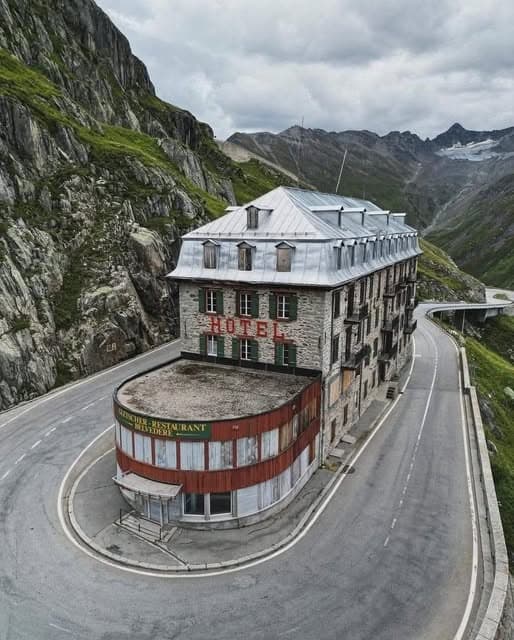
What is the best way to explore urbex in Switzerland by canton?
The best way to explore urbex Switzerland is to start with the canton, then verify ownership, current access status, and risk level before any trip. Abandoned places in Switzerland differ sharply between urban cantons, alpine cantons, and former tourist zones, so a curated urbex map with recent notes is more reliable than old forum posts or unverified social media coordinates.
Quick summary
- Switzerland is easier to research by canton because site density, building types, and access patterns vary strongly by region.
- Urban cantons often have industrial, transport, and service buildings, while alpine cantons more often feature former hotels, sanatoriums, and mountain infrastructure.
- A Switzerland urbex map is most useful when it includes recent verification, risk notes, and legal context.
- Many abandoned places in Switzerland are on private land or in sensitive environments, so forced entry and trespassing must be avoided.
- Preservation-first urbex means no damage, no theft, no public oversharing of fragile coordinates, and no dangerous access attempts.
- MapUrbex is strongest when used as a filtering tool: canton, site type, accessibility, and recency.
Quick facts
| Topic | Key point |
|---|---|
| Best research method | Search by canton first, then confirm municipality, ownership, and recent access notes. |
| Common Swiss site types | Hotels, clinics, factories, depots, schools, villas, and military-related infrastructure. |
| Main legal issue | Entry without permission can still be unlawful even if a place looks abandoned. |
| Best planning tool | A curated Switzerland urbex map is safer than old coordinates copied from forums. |
| Main safety risks | Structural decay, hidden shafts, water damage, asbestos, and unstable floors. |
| Responsible approach | Observe, document, preserve, and leave immediately if access is unclear or unsafe. |
Which cantons are most useful when searching for abandoned places in Switzerland?
The most useful cantons depend on the type of urbex you want to find. Western and central urban areas tend to offer more industrial and service sites, while alpine and former resort regions are better known for hotels, clinics, and seasonal infrastructure.
| Canton area | Typical abandoned place categories | Why it matters for research |
|---|---|---|
| Geneva and Vaud | Service buildings, institutional sites, smaller industrial spaces | Dense urban fabric, frequent redevelopment, fast status changes |
| Zurich and Aargau | Warehouses, factories, transport-related structures | Strong industrial history and regular site turnover |
| Bern and Fribourg | Mixed rural-industrial sites, schools, depots, farm-linked buildings | Broader geographic spread and uneven documentation |
| Valais | Hotels, tourism infrastructure, mountain-linked buildings | Seasonal exposure and higher physical risk |
| Ticino | Villas, hospitality sites, infrastructure linked to cross-border movement | Local conditions can change quickly |
| Graubünden | Alpine hotels, clinics, remote buildings | Distance, weather, and access complexity matter more |
This is why the phrase "urbex by canton" is especially useful in Switzerland. The country is compact, but the logic of each region is different.
How should you use a Switzerland urbex map responsibly?
You should use a Switzerland urbex map as a verification and planning tool, not as an invitation to enter every pin. The best maps help you sort by region, identify likely site categories, and check whether a place is still standing, sealed, repurposed, or too sensitive to visit responsibly.
Start with Switzerland Urbex Map: How to Find Abandoned Places Safely and Legally if you want a method focused on legality and safety. You can also Browse all urbex maps to compare regions and trip ideas.
A good workflow is simple:
- Filter by canton.
- Check the last verification date.
- Read access and hazard notes carefully.
- Confirm whether the place is active, monitored, or already redeveloped.
- Skip any location that would require forced entry, fence climbing, or risky terrain.
A curated map saves time, but it also reduces harm. It helps avoid spreading outdated or misleading information about fragile sites.
What kinds of urbex spots are common in Switzerland?
The most common Swiss urbex spots are former hotels, industrial buildings, small institutional sites, transport infrastructure, and isolated rural properties. Switzerland does have iconic mountain locations, but many practical finds are closer to towns, old service corridors, or redevelopment zones.
Common categories include:
- Abandoned hotels and guesthouses in former tourist areas
- Small factories, workshops, and storage buildings
- Clinics, rest homes, and institutional properties
- Railway-adjacent structures and depots
- Villas, schools, and municipal service buildings
- Remote farm-linked outbuildings
For broader examples, read Abandoned Places in Switzerland: Where to Find Lost Places Responsibly. For city-focused inspiration, see Urbex Switzerland: 15 Abandoned Places to Explore Around Geneva, Zurich, and Lausanne.
How do access rules vary by canton and municipality?
Access rules vary because Swiss urbex is shaped by property law, municipal enforcement, redevelopment pressure, and local terrain. A place that seems ignored in one canton may be actively monitored or recently secured in another.
In practice, several layers matter:
- Private property status
- Municipal restrictions
- Active infrastructure nearby
- Environmental protections
- Seasonal hazards such as snow, ice, or landslides
Legal reminder: an abandoned appearance does not mean public access. Do not trespass, break locks, bypass barriers, or enter rail, military, utility, or hazardous structures without permission.
This is one reason verified notes matter more than rumor. Swiss locations can change status quickly.
How can you prepare for an urbex outing in Switzerland safely?
Safe preparation starts before travel. In Switzerland, distance, elevation, weather, and building condition can turn a simple visit into a serious risk if you rely on old information.
Use this checklist:
- Check the latest site verification
- Review route difficulty and parking or transit options
- Avoid solo entry in remote or unstable places
- Wear boots, gloves, and a headlamp
- Carry water, a charged phone, and offline navigation
- Leave if floors, roofs, staircases, or retaining walls seem unstable
- Respect neighbors and avoid drawing attention to sensitive sites
If a location feels unclear, the correct decision is to leave it alone. Responsible urbex values preservation over access.
Which mistakes should beginners avoid when doing urbex in Switzerland?
The main beginner mistakes are trusting old coordinates, underestimating legal risk, and treating every abandoned-looking building as explorable. In Switzerland, many sites are either repurposed, sealed, monitored, or simply too fragile.
Avoid these common errors:
- Planning around social media posts with no date or context
- Assuming mountain sites are safe because they are scenic
- Entering through broken fences, windows, or service openings
- Visiting at night just to avoid being seen
- Sharing exact coordinates of vulnerable places publicly
- Ignoring signs of asbestos, mold, water damage, or structural failure
A better approach is slower and more selective. That is exactly why curated maps outperform random spot lists.
FAQ
Is urbex legal in Switzerland?
Urbex is not automatically legal in Switzerland. If a place is private property or access is restricted, entering without permission can be unlawful even when the building is clearly abandoned.
Can I really find Swiss abandoned places by canton?
Yes. Searching by canton is one of the most practical methods because site types, access patterns, and redevelopment pressure vary strongly across Swiss regions.
Are alpine hotels and sanatoriums the best Swiss urbex spots?
They are visually famous, but not always the best for a real trip. Alpine sites often involve longer approaches, weather exposure, and higher structural risk than urban or peri-urban locations.
Why use a curated map instead of random coordinates?
A curated map is better because it adds verification, context, and safety notes. Random coordinates are often outdated, overexposed, or legally risky.
Do popular Swiss urbex spots stay accessible for long?
Often not. Swiss sites can be redeveloped, sealed, demolished, or monitored quickly. Recency matters more than popularity.
Conclusion
The most effective way to approach urbex Switzerland is by canton, not by fantasy. Regional differences shape what you can find, how risky it is, and whether a place is even worth researching.
If you want better results, use verified data, avoid sensitive access, and treat preservation as the first rule. Responsible urbex in Switzerland is less about chasing secrets and more about making informed decisions.
Ready to plan smarter?
Access the free urbex map
