 MapUrbex
Learn how to use an urbex map for Portugal to find verified abandoned places, plan safer visits, and choose between free and curated options.
Urbex Map Portugal: A Reliable Guide to Abandoned Places
Portugal is one of the most searched countries for coastal villas, industrial ruins, forgotten hotels, and decaying estates. But a useful urbex map Portugal search is not only about finding pins on a screen. It is about finding reliable information, filtering low-value spots, and planning visits responsibly.
A good Portugal urbex map helps you save time, avoid duplicate or demolished sites, and focus on places that match your interests. It should also support MapUrbex principles: verified locations, preservation-first exploration, and clear reminders about legal and safety limits.
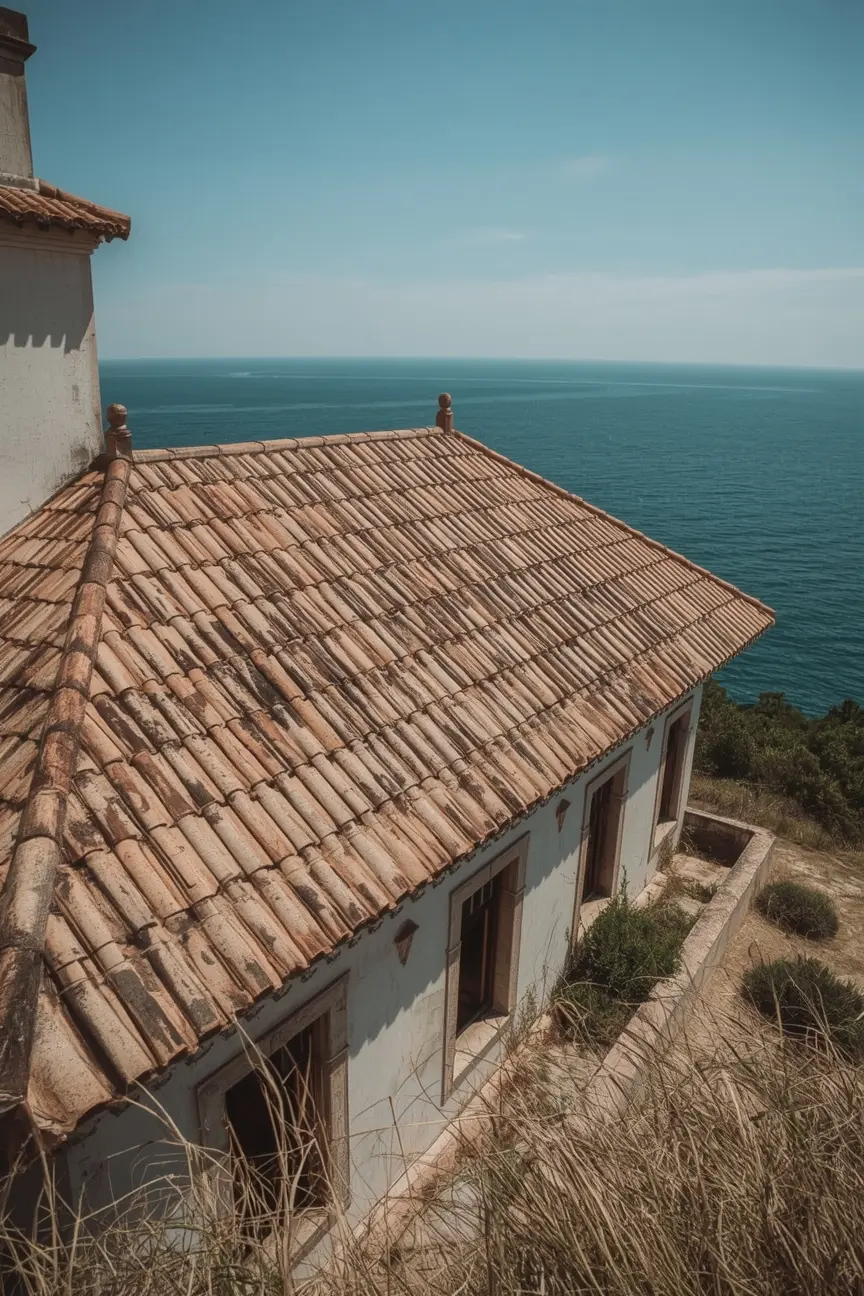
What is the best urbex map for Portugal?
The best urbex map for Portugal is a curated map that helps you locate abandoned places with better context, practical trip planning value, and responsible-use guidance. A strong map urbex Portugal tool should make it easier to sort places by region, reduce wasted searches, and remind users that no location is worth trespassing, forced entry, or unsafe access.
Quick summary
- A Portugal urbex map is most useful when it is curated, regularly checked, and organized by region.
- Generic map searches often surface demolished, active, or low-interest places.
- Lisbon and Porto usually drive the most search demand, but abandoned places are spread across coastal, industrial, and inland areas.
- A responsible map of abandoned places in Portugal should help with planning, not encourage illegal entry.
- Free maps are good for discovery, while curated country maps are better for deeper route building.
- MapUrbex focuses on verified locations, preservation-first research, and safer trip preparation.
Quick facts
- Country covered: Portugal
- Primary use case: Finding and organizing abandoned places by area
- Typical user intent: Trip planning, photography research, architecture research, route building
- Common search hubs: Lisbon, Porto, coastal corridors, industrial belts, inland estates
- Key checks before any visit: ownership, active use, barriers, structural condition, local restrictions
- Safety baseline: never force access, never trespass, never damage sites, and leave no trace
Why use a dedicated Portugal urbex map instead of a generic search?
A dedicated Portugal urbex map is better because it reduces noise and improves decision quality. Instead of scanning random social posts, outdated forum threads, and duplicated coordinates, you start with a structured reference built for abandoned-place research.
That matters in Portugal because many locations change quickly. Some sites are renovated into tourism projects. Others are fenced, repurposed, monitored, or simply too degraded to justify the drive. A curated map helps you filter for relevance before you invest time.
A dedicated map also helps you plan by area rather than by isolated pin. That is especially useful if you are building a Lisbon day route, a Porto weekend route, or a broader road trip through several districts.
If you want to compare country coverage, you can Browse all urbex maps. For broader continental planning, see Map of Abandoned Places in Europe: The Ultimate Urbex Map with 5,000+ Locations.
Which regions in Portugal are most often searched on an urbex map?
The most searched regions are usually around Lisbon and Porto, followed by parts of the coast, transport corridors, and older industrial zones. In practice, search demand is strongest where access roads are good, travel density is high, and multiple site types can be combined into one route.
Around Lisbon, interest often centers on abandoned villas, institutional buildings, hotels, military remnants, and coastal properties. Around Porto, users often look for factories, warehouses, old transport infrastructure, manor houses, and residential shells.
The Algarve and other coastal areas attract attention because tourism development creates a mix of forgotten resorts, paused construction, and isolated properties. Inland Portugal can be rewarding too, especially for estates, agricultural ruins, rail heritage, and depopulated settlements, but those searches usually require more route planning.
If you want inspiration before choosing a map, read Urbex Portugal: 12 Best Abandoned Places to Explore Near Lisbon and Porto.
How should you use a map of abandoned places in Portugal responsibly?
You should use a map of abandoned places in Portugal as a planning tool, not as permission to enter anywhere. The right approach is to verify status, assess risk, and walk away if access would require trespassing or unsafe decisions.
A responsible workflow is simple:
- Start with a curated shortlist.
- Group places by region to avoid rushed driving.
- Check whether the site is clearly active, fenced, restored, or residential.
- Prefer exterior documentation when access is uncertain.
- Do not publish sensitive entry details that could accelerate vandalism.
- Leave immediately if a site is occupied, protected, or structurally unstable.
This is where a curated map adds value. It helps you spend more time researching and less time chasing low-quality leads.
Is urbex legal in Portugal?
Urbex is not a blanket legal category in Portugal. What matters is property status, permission, barriers, local restrictions, and whether the place is active, protected, or privately owned.
In practical terms, that means you should never assume that an abandoned-looking building is legal to enter. Private ownership still applies. Fences, locks, warning signs, and barriers should be treated as clear limits. Heritage sensitivity also matters. Some ruins may have cultural value even if they appear neglected.
MapUrbex recommends a preservation-first approach:
- do not trespass
- do not force entry
- do not climb unstable structures
- do not take objects
- do not reveal sensitive details that increase damage risk
Responsible urbex begins with restraint. If access is unclear, document the exterior and move on.
How do free and curated Portugal urbex maps compare?
Free and curated maps serve different purposes. A free map is useful for discovery and basic exploration, while a curated Portugal map is usually better for route efficiency, research quality, and more reliable trip planning.
| Option | Best for | Limits |
|---|---|---|
| Free urbex map | Testing the concept, casual browsing, first searches | Less depth, fewer filters, more manual checking |
| Curated Portugal map | Focused country planning, route building, repeat trips | Paid access may be required |
| Generic web search | Broad inspiration and background reading | High noise, outdated results, duplicate spots |
If you are still exploring the platform, Access the free urbex map is the easiest place to start. If Portugal is your main target, a country-specific option will usually save time and improve planning quality.
What should you look for in a reliable map urbex Portugal product?
A reliable map urbex Portugal product should help you make better decisions before you travel. The best indicators are structure, clarity, and evidence of curation.
Look for these signals:
- locations grouped in a way that supports route planning
- clear country or regional coverage
- practical descriptions instead of vague hype
- updates or verification standards
- a preservation-first tone rather than reckless access advice
- enough variety to match different site interests
A good product does not promise unlimited access. It helps you research better, waste less fuel, and avoid low-value stops. For country-specific planning, you can Explore abandoned places in Portugal.
FAQ
What should an urbex map for Portugal include?
A useful urbex map for Portugal should include organized locations, regional logic, trip-planning value, and enough context to help you judge whether a place fits your time and interests. It should also avoid sensationalizing risky access.
Is a free Portugal urbex map enough for a first trip?
Yes, a free map can be enough for a first trip if your goal is discovery and broad orientation. It becomes less efficient when you want denser route planning, cleaner filtering, or more consistent country-level coverage.
Can social media replace a curated map of abandoned places in Portugal?
No, social media is useful for inspiration but weak as a primary research tool. Posts are often outdated, selective, duplicated, or stripped of context. A curated map is better for systematic planning.
What is the best season to use an urbex map in Portugal?
Spring and autumn are often the easiest seasons for route planning because heat, glare, and peak tourist traffic are lower in many areas. The best timing still depends on region, road conditions, daylight, and your photography goals.
Should you share exact abandoned locations publicly?
In most cases, no. Publicly sharing sensitive abandoned locations can accelerate theft, vandalism, and unsafe visits. A preservation-first approach means limiting exposure and protecting fragile places.
What should you do next?
If your goal is to find abandoned places in Portugal efficiently, start with a structured map instead of random searches. A curated approach is faster, easier to verify, and more consistent with responsible urbex.
You can begin with the free option, compare broader coverage, or read more country-specific guidance before building your route.
Access the free urbex map
