 MapUrbex
A practical guide to urbex in Italy: common site types, regional patterns, planning tips, legal basics, and responsible exploration with MapUrbex.
Urbex Italy: Guide to Abandoned Places and Responsible Exploration
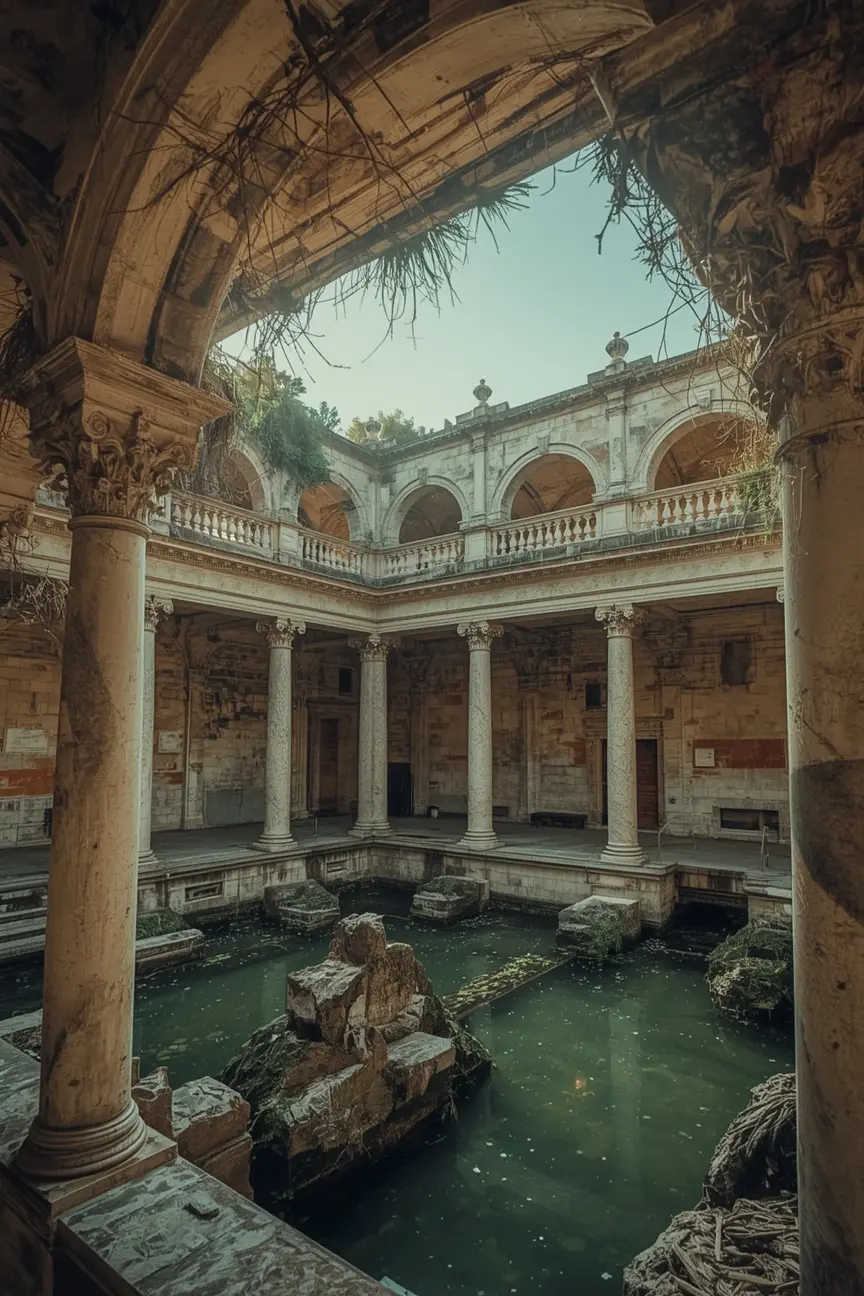
Urbex Italy is a broad topic because the country combines industrial heritage, empty villas, disused hospitals, abandoned hotels, and former military or transport infrastructure. The variety is one reason Italy attracts both experienced urban explorers and beginners looking for a structured guide.
The useful question is not only where to look, but how to explore responsibly. In Italy, conditions vary sharply by region, ownership status, and building stability. A careful approach matters more than a long list of names.
This guide explains how urban exploration in Italy usually works, what kinds of abandoned places in Italy are most common, and how a curated urbex map can help you research locations without treating them as disposable content.
What is urbex in Italy?
Urbex in Italy means researching and documenting abandoned or disused places such as factories, villas, hotels, hospitals, and transport sites, while respecting property law, personal safety, and preservation. In practice, a good urbex Italy approach is research-first: verify the site, understand the risks, and never force access or damage what remains.
Quick summary
- Italy is one of the most diverse countries in Europe for abandoned architecture and industrial ruins.
- The most common targets are factories, villas, hospitals, hotels, spas, farms, and transport infrastructure.
- Regional context matters: northern industrial belts differ from central historic cities and southern coastal zones.
- Responsible urban exploration in Italy requires legal caution, route planning, and strong safety discipline.
- Publicly oversharing exact spots can accelerate vandalism, theft, and closure.
- A curated map is useful because it filters noise and helps prioritize verified research.
Quick facts
| Topic | Key point |
|---|---|
| Country profile | Italy offers a high density of abandoned industrial, residential, and hospitality sites. |
| Best-known settings | Industrial north, historic city outskirts, mountain resorts, coastal hotels, rural estates. |
| Typical risks | Unstable floors, asbestos, broken glass, hidden shafts, exposure, private security. |
| Legal baseline | Abandonment does not remove ownership or make entry automatically lawful. |
| Best use of maps | Screening, route planning, regional comparison, and safer research. |
| Recommended mindset | Preservation-first, low-impact, and no forced entry. |
Why is Italy one of Europe's strongest urbex destinations?
Italy stands out for urbex because it combines old industry, layered architecture, demographic change, and uneven redevelopment. That mix creates many different categories of sites within relatively short travel distances.
In the north, deindustrialization left mills, workshops, depots, and worker housing. Around major cities, urban growth often pushed older facilities to the margins. In central Italy, some abandoned places are tied to villas, monasteries, civic buildings, or health facilities. In coastal and mountain areas, tourism cycles left empty hotels, holiday structures, and thermal complexes.
Italy also has strong visual contrast. Frescoed rooms, Art Nouveau details, modernist industrial halls, and postwar concrete structures can all appear within the same journey. For photographers and architectural researchers, that variety is a major draw.
Which abandoned places are most common in Italy?
The most common abandoned places in Italy are industrial sites, hospitality properties, religious or civic buildings, rural estates, and healthcare facilities. Each type has different risks, visibility, and research challenges.
Here is a practical breakdown:
- Factories and workshops: often found near older industrial corridors and rail links.
- Hotels and spas: common in former tourist zones, spa towns, and seasonal regions.
- Villas and manor houses: visually striking, but frequently fragile and privately owned.
- Hospitals and clinics: historically important, yet among the most sensitive and hazardous categories.
- Schools and civic buildings: easier to identify on old maps, but not always safe inside.
- Farms and rural compounds: widespread, though often structurally degraded and difficult to verify.
- Stations, depots, and tunnels: attractive for infrastructure enthusiasts, but often legally and physically risky.
A useful rule is to treat every category differently. A ruined farmhouse is not researched the same way as a fenced industrial plant or a former sanatorium.
How should you plan urbex in Italy responsibly?
Responsible urbex in Italy starts with verification, not impulse. You should confirm the site's status, understand access limits, prepare for hazards, and avoid behavior that increases damage or legal risk.
A practical planning workflow looks like this:
- Research the site history. Old industrial records, local news, and satellite views can reveal whether a place is derelict, repurposed, or actively monitored.
- Check ownership and context. A building can look empty and still be private, guarded, or partially occupied.
- Plan daylight visits only. Natural light improves navigation and lowers accident risk.
- Go equipped, but lightly. Good boots, charged phone, water, gloves, and a basic first-aid kit are more useful than excessive gear.
- Do not go alone if the site is complex. Large factories, underground areas, and isolated compounds carry higher risk.
- Leave no trace. Do not move objects, break barriers, tag walls, or reveal sensitive details that invite damage.
If you want a broader starting point, MapUrbex also covers regional inspiration in Urbex Italy: 5 Best Abandoned Places and How to Access Them Responsibly.
What legal and safety issues matter in Italy?
The main legal and safety issue is simple: a place can be abandoned without being legally open. Urbex in Italy requires caution because ownership, liability, and site security still apply.
Common risk factors include unstable stairs, weak roofs, water damage, exposed metal, contaminated dust, asbestos, sharp glass, deep drops, and hidden voids. Rural sites may also involve difficult terrain, animals, or poor phone reception.
From a legal standpoint, the safest principle is to assume that access is restricted unless clearly authorized. Never climb fences, force doors, cut chains, or bypass barriers. Those actions move away from responsible exploration and toward trespass or damage.
Safety reminder: MapUrbex supports preservation-first exploration. Do not force entry, do not take objects, and do not publish sensitive details that could expose a fragile place to vandalism or theft.
Which areas are most often searched for abandoned places in Italy?
The most searched areas are usually the major urban regions and historically industrial zones, especially around Rome, Milan, and Naples. Interest also extends to smaller spa towns, mountain resorts, and coastal hospitality belts.
Large cities attract search traffic because they combine accessibility with layered built history. If you want a city-focused overview, start with Urbex Italy: Guide to Abandoned Places in Rome, Milan, and Naples.
Beyond the major cities, northern Italy often draws attention for industrial remains, while central and southern regions surface more hospitality, institutional, and rural sites. Thermal structures are another recurring category, especially where once-popular health tourism declined.
For a single-site example tied to industrial heritage, see Abandoned Bugatti Factory in Italy: History, Closure, and What Remains.
How can a curated urbex map help in Italy?
A curated urbex map helps by reducing guesswork. Instead of relying on random social posts, you can compare regions, identify patterns, and focus on locations that have been screened for relevance.
MapUrbex is useful for three reasons:
- It supports research before travel.
- It helps separate famous ruins from lower-noise alternatives.
- It aligns with a preservation-first approach rather than reckless exposure.
If you want to explore the wider catalog, Browse all urbex maps. If you prefer a starting point first, Access the free urbex map.
FAQ
Is urbex legal in Italy?
Not automatically. A building may be abandoned but still privately owned or restricted. Responsible practice means verifying status, respecting barriers, and avoiding unauthorized entry.
What equipment is most useful for urban exploration in Italy?
Sturdy boots, gloves, water, a charged phone, a flashlight, and basic first-aid supplies are the essentials. Helmets and dust protection may also be appropriate for unstable or dusty environments.
When is the best season for urbex in Italy?
Spring and autumn are usually the most practical because temperatures are milder and daylight is still good. Summer heat can be intense, and winter increases moisture, darkness, and slip hazards in many structures.
Should I share exact abandoned locations publicly?
Usually no. Publicly sharing exact locations can lead to rapid vandalism, theft, fire damage, and closure. Responsible explorers document places without turning them into open targets.
Are famous abandoned places always the best choice?
No. The best site is often the one that fits your research level, legal comfort, travel plan, and safety margin. Lesser-known places can be more rewarding and less degraded.
Conclusion
Urbex Italy is best understood as a research-driven practice, not a checklist of ruins. Italy offers exceptional diversity, but that same diversity requires judgment about legality, structure, and preservation.
If you approach urban exploration in Italy with patience, verified information, and low-impact habits, you are more likely to find meaningful places while helping protect them.
Access the free urbex map
