 MapUrbex
Use a Poland urbex map to research abandoned places in Poland, compare regions, and plan safer, responsible exploration.
Poland Urbex Map: How to Find Abandoned Places in Poland Responsibly
A good Poland urbex map saves time at the research stage. It helps you compare regions, identify likely types of abandoned sites, and plan routes before you leave home.
That matters in Poland because abandoned places are spread across industrial districts, rural areas, former transport zones, and depopulated settlements. A curated map is more useful than random social posts because it gives structure, context, and a better basis for responsible decisions.
MapUrbex is built around verified locations when possible, responsible urbex, and preservation-first planning. A map should help you research better, not push you toward unsafe or illegal entry.
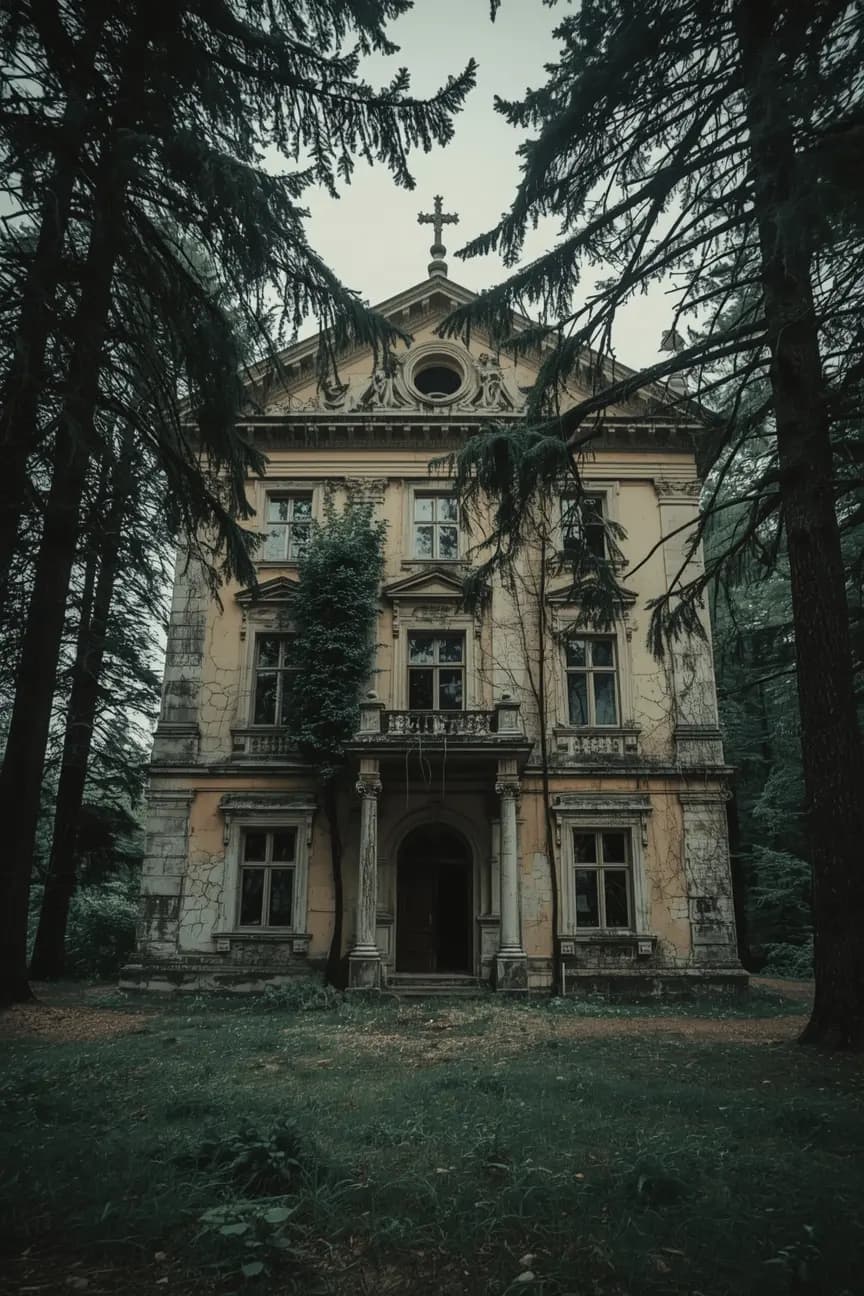
What is the best Poland urbex map?
The best Poland urbex map is a curated research tool that helps you find abandoned places in Poland, compare regions, and prepare a trip responsibly. It should prioritize recent checks, useful context, and preservation-first guidance rather than promising easy access or "secret spots."
Quick summary
- A Poland urbex map is mainly a research and planning tool, not a guarantee of access.
- The most useful maps help you compare regions, site types, and trip logistics.
- Silesia, Lower Silesia, Łódź, Pomerania, and rail corridors are strong research zones.
- Legal status changes by owner, fencing, security, and local restrictions, so always verify before visiting.
- Responsible urbex means no forced entry, no damage, and no publication of sensitive details that increase risk.
- Start with a curated map, then narrow your route, timing, and backup options.
Quick facts
| Topic | Practical note |
|---|---|
| Main use | Research abandoned places in Poland and organize a route |
| Best for | Comparing regions, categories of sites, and recent exploration context |
| Common site types | Factories, rail infrastructure, military remnants, manors, churches, hospitals |
| Key planning need | Confirm ownership, current closure status, and access restrictions |
| Safety rule | Never force entry and never rely on old coordinates alone |
| Best workflow | Map first, local verification second, on-site judgment last |
Why use a curated map of abandoned places in Poland?
A curated map of abandoned places in Poland gives you structure. Instead of collecting scattered pins from forums, videos, and expired blog posts, you can begin with a single research layer and then decide what deserves deeper checking.
That is especially helpful in a country as geographically varied as Poland. Industrial belts, religious buildings, old resorts, rail sites, and agricultural ruins do not cluster in one uniform pattern. A map helps you see that distribution quickly.
It also reduces low-quality decision-making. Random coordinates often miss essential context such as demolition risk, redevelopment, seasonal visibility, or whether a place is too sensitive to visit responsibly.
If you want to compare broader options before focusing on Poland, see Browse all urbex maps.
Which regions in Poland are most useful for urbex research?
The most useful regions for urbex research in Poland are usually those with older industry, transport infrastructure, military history, or long-term rural decline. These areas tend to produce more variety and denser research clusters.
| Region or zone | Typical place types | Why it matters for research |
|---|---|---|
| Silesia | Mines, factories, workers' housing, rail assets | High industrial density and strong variety |
| Lower Silesia | Palaces, military remnants, hospitals, hotels | Mixed urban and rural exploration potential |
| Łódź region | Textile industry sites, warehouses, urban decay | Historic industrial landscape |
| Pomerania | Coastal facilities, bunkers, transport relics | Good for mixed road-trip planning |
| Smaller rural districts | Churches, schools, farms, manor houses | Useful for quieter, lower-density research |
The point is not to chase a single famous spot. The better strategy is to research clusters. That gives you alternatives if a site is sealed, occupied, demolished, or clearly unsuitable for a responsible visit.
How should you plan an urbex trip in Poland?
You should plan an urbex trip in Poland by building a route around verified research, realistic travel time, and clear backup options. The safest and most efficient trips are the ones that stay flexible.
A practical workflow looks like this:
- Start with a curated Poland urbex map.
- Shortlist areas, not just individual pins.
- Check recent signs of demolition, redevelopment, fencing, or security changes.
- Review satellite view, road access, and walking distance.
- Prepare backup locations in the same region.
- Avoid night entries and bad-weather visits.
- Leave immediately if the site is active, occupied, or clearly restricted.
If you are planning a multi-country route, read How to Plan an Urbex Road Trip in Europe. For a wider regional view, see Map of Abandoned Places in Europe: The Ultimate Urbex Map with 5,000+ Locations.
Safety reminder: a map supports research, but it does not replace local judgment. Conditions can change fast. Never force entry, never bypass security, and never take unnecessary physical risks.
Is urbex in Poland legal?
Urbex in Poland is not automatically legal just because a place looks abandoned. Ownership, fencing, warning signs, active surveillance, and local restrictions still apply, so legal access must always be checked case by case.
In practice, that means a map is for research first. It is not permission. If a site is private, occupied, fenced, alarmed, or clearly restricted, do not enter. Responsible urbex always puts legality, safety, and preservation ahead of curiosity.
This is also why curated maps matter. Good maps help users research smarter without encouraging trespassing or damage.
What makes a good map of abandoned places in Poland?
A good map of abandoned places in Poland gives you decision-making context, not just pins. The best maps help you eliminate bad options early.
Look for these qualities:
- Clear geographic coverage across multiple Polish regions
- Useful categorization by site type
- Recent verification or status notes when available
- A preservation-first approach to sensitive locations
- Practical route planning value
- Enough information to compare options without oversharing risky details
If you want place ideas to begin with, read Poland Urbex Map: 5 Best Abandoned Places to Research.
Where can you start researching now?
You can start researching now by using a map to build a shortlist of realistic areas, then narrowing it to a few site categories that match your route and experience level. That approach works better than chasing isolated viral locations.
For many users, the best sequence is simple: compare regions, select a travel corridor, review several abandoned places in Poland, and only then decide whether a stop is still worth evaluating.
If you want a broader starting point first, use Browse all urbex maps.
FAQ
What kinds of abandoned places can a Poland urbex map help me find?
A Poland urbex map can help you research factories, stations, depots, churches, schools, hospitals, military remains, hotels, manor houses, and other derelict structures. The exact mix depends on the region.
Does a Poland urbex map guarantee access?
No. A map helps with research and trip planning, but it never guarantees legal or safe access. Conditions may change because of ownership, sealing, demolition, occupation, or security upgrades.
Are coordinates enough for a safe visit?
No. Coordinates alone are not enough. You also need current status checks, route planning, weather awareness, and a willingness to walk away if the site is not appropriate to enter.
Should beginners explore abandoned places in Poland alone?
Beginners should avoid solo exploration in unfamiliar or unstable sites. Even for experienced visitors, a conservative approach is best: daylight, communication, backup plans, and no entry into clearly unsafe structures.
Can I use a free map first?
Yes. A free map is a sensible way to understand coverage, compare areas, and decide how you want to research future trips.
Conclusion
A Poland urbex map is most valuable when it helps you research responsibly. The goal is not just to find abandoned places in Poland. The goal is to compare options, avoid wasted trips, respect legal limits, and reduce harm to fragile sites.
MapUrbex follows a preservation-first approach: curated maps, responsible research, and practical planning value. Start with structure, verify locally, and treat every location with caution.
Access the free urbex map
