 MapUrbex
Discover a curated Hungary urbex map with verified abandoned places, practical trip-planning context, and a preservation-first approach to responsible exploration.
Hungary Urbex Map: Verified Abandoned Places for Responsible Exploration
If you are searching for a Hungary urbex map, the main goal is usually simple: find better leads, waste less time, and plan more responsibly. A curated map is more useful than scattered forum posts because abandoned sites change quickly.
MapUrbex is designed for explorers who want verified locations and clearer context. It is preservation-first, and it never promotes trespassing, forced entry, vandalism, or unsafe behavior.
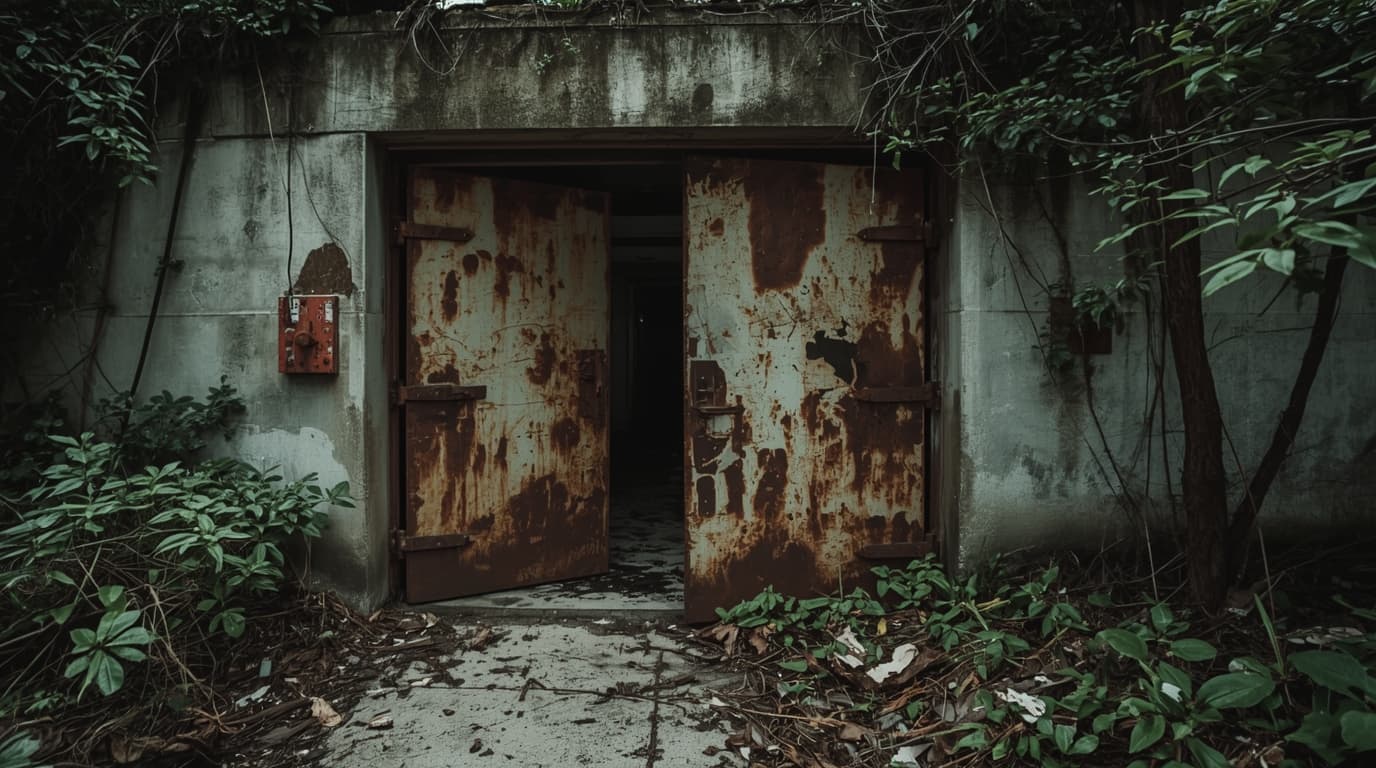
What is the Hungary urbex map?
The Hungary urbex map is a curated research tool for finding abandoned places in Hungary more efficiently. It helps you sort locations by region and type, focus on verified leads, and plan with safety and legal limits in mind. It is best used for preparation and documentation, not as an invitation to enter restricted property.
Quick summary
- A Hungary urbex map reduces time lost on outdated, fake, or duplicated leads.
- It is useful for researching abandoned places in Hungary by region and category.
- Curated maps are better for route planning than random social media pins.
- Common site types include industrial buildings, bunkers, railway sites, farms, and closed public institutions.
- Responsible urbex still requires checking ownership, local rules, and physical risk before any visit.
Quick facts
A country-level urbex map is most useful when you need a broad overview before narrowing your route.
| Item | Details |
|---|---|
| Country | Hungary |
| Primary use | Researching abandoned places in Hungary |
| Best for | Photographers, historians, road-trip planners, urbex researchers |
| Main value | Curated and verified location discovery |
| Key principle | Preservation-first exploration |
| Not for | Trespassing, forced access, theft, or vandalism |
Why use a curated urbex map for Hungary?
A curated urbex map for Hungary is useful because abandoned places are unstable as data. A site can be demolished, renovated, sealed, occupied, or heavily monitored long after old posts remain online.
That is why a verification-focused approach matters. Instead of collecting as many pins as possible, a curated map helps filter noise and prioritize locations that are still relevant for research.
Hungary is also diverse from an urbex perspective. Depending on the region, searches may surface industrial relics, Soviet-era military remains, agricultural buildings, transport infrastructure, hospitals, and rural estates.
For a wider overview across the continent, Browse all urbex maps.
Which abandoned places can you find in Hungary?
Hungary offers a broad range of urbex categories, but availability varies by region and by the current state of each site. The most searched site types are usually industrial, military, transport-related, and rural.
The exact mix changes over time. Some locations are valuable mainly for exterior photography, while others are no longer standing or are clearly inaccessible.
Typical categories include:
- Former factories and warehouses
- Bunkers and military remnants
- Railway depots and transport infrastructure
- Farms, utility buildings, and rural estates
- Closed schools, hospitals, or public institutions
- Storage, mining, or technical structures where present
If you want to improve your research method before focusing on Hungary, read How to Find Abandoned Places Near You.
How does MapUrbex help verify locations in Hungary?
MapUrbex helps by prioritizing curation over volume. The goal is to identify leads that are still traceable and useful, not to publish the biggest possible list without context.
Verification matters because many searches for urbex spots in Hungary lead to recycled coordinates, old blog mentions, or social posts that do not explain whether the place still exists. A curated map gives you a stronger starting point.
In practical terms, a good map helps you assess:
- whether the site still appears to exist
- what type of place it is
- whether it fits a travel route
- whether exterior-only documentation is the sensible option
- whether extra caution is needed
Safety reminder: always respect local law, private property, warning signs, active security, and structural hazards. Never force access or enter a site without permission.
How should you plan a safe and legal urbex trip in Hungary?
A safe and legal urbex trip in Hungary starts with research before movement. Confirm the current status of the place, check whether the land is private or active, and prepare for the possibility that the site cannot be approached or documented.
Daylight planning, weather checks, and backup options matter more than speed. If a building looks unstable or clearly secured, the correct decision is to stop.
A simple planning checklist:
- verify recent information from more than one source
- review access roads, parking, and walking distance
- prefer exterior documentation when legal status is unclear
- avoid solo entry into unstable structures
- leave no trace and do not publicize sensitive access details
To test the format first, Access the free urbex map.
How can you compare the free map and the full map?
The simplest comparison is this: the free map works as an introduction, while a deeper curated map is more useful when you want to build routes and sort stronger leads. The free version helps you understand the approach before going further.
If you want a downloadable starting point, see Free Urbex Map: Download the Updated PDF and Google Maps Version.
If you want a broader starter list, see Free Urbex Map: Download the 500+ Hidden Places List [PDF].
FAQ
Short answers are often the most useful when evaluating an urbex map for a whole country.
Is a Hungary urbex map useful for beginners?
Yes. A curated map helps beginners avoid random, outdated, or misleading leads. It does not replace basic safety knowledge, legal awareness, or respect for preservation.
Does the map guarantee access to abandoned places in Hungary?
No. Access conditions change constantly. Ownership, security, renovation, and local enforcement can all make a location inaccessible.
What are the most common urbex spots in Hungary?
The most common categories are former factories, military structures, railway infrastructure, rural buildings, and closed public institutions. The visible stock changes over time.
Should exact abandoned locations be shared publicly?
Usually not. Overexposure can accelerate vandalism, theft, fire damage, sealing, or demolition. Responsible urbex favors selective sharing and preservation.
Conclusion
A good Hungary urbex map is not just a list of pins. Its real value is better judgment: less noise, stronger leads, and more responsible planning.
For explorers who prefer verified research over random lists, MapUrbex offers a clearer way to find abandoned places in Hungary while keeping preservation first.
Access the free urbex map
