 MapUrbex
A practical selection of the best urbex podcasts and books to deepen your knowledge of abandoned places, safety, history, and responsible exploration.
Best Urbex Podcasts and Books to Go Deeper: A Practical Selection
Urbex gets better when it moves beyond collecting locations. The strongest explorers know how to read a building, understand its history, and document it without damaging it.
That is why podcasts and books matter. Audio brings interviews, field stories, and atmosphere. Books bring slower analysis, stronger visuals, and a more reliable way to build long-term urbex culture.
Which urbex podcasts and books are best for going deeper?
The best urbex podcasts and books are the ones that add context, not just spectacle. Prioritize resources on industrial heritage, abandoned architecture, photography ethics, legal limits, and field safety. A solid selection mixes podcasts for voices and lived experience with books for documented history, visual literacy, and careful research.
Quick summary
- The most useful urbex resources explain history, risk, ethics, and documentation.
- Podcasts are strongest for interviews, oral history, and site atmosphere.
- Books are strongest for photography analysis, architecture, and long-form research.
- Adjacent topics like local history and deindustrialization are often more valuable than hype-driven secret-place content.
- Reliable urbex culture is preservation-first: no forced entry, no vandalism, and no careless location exposure.
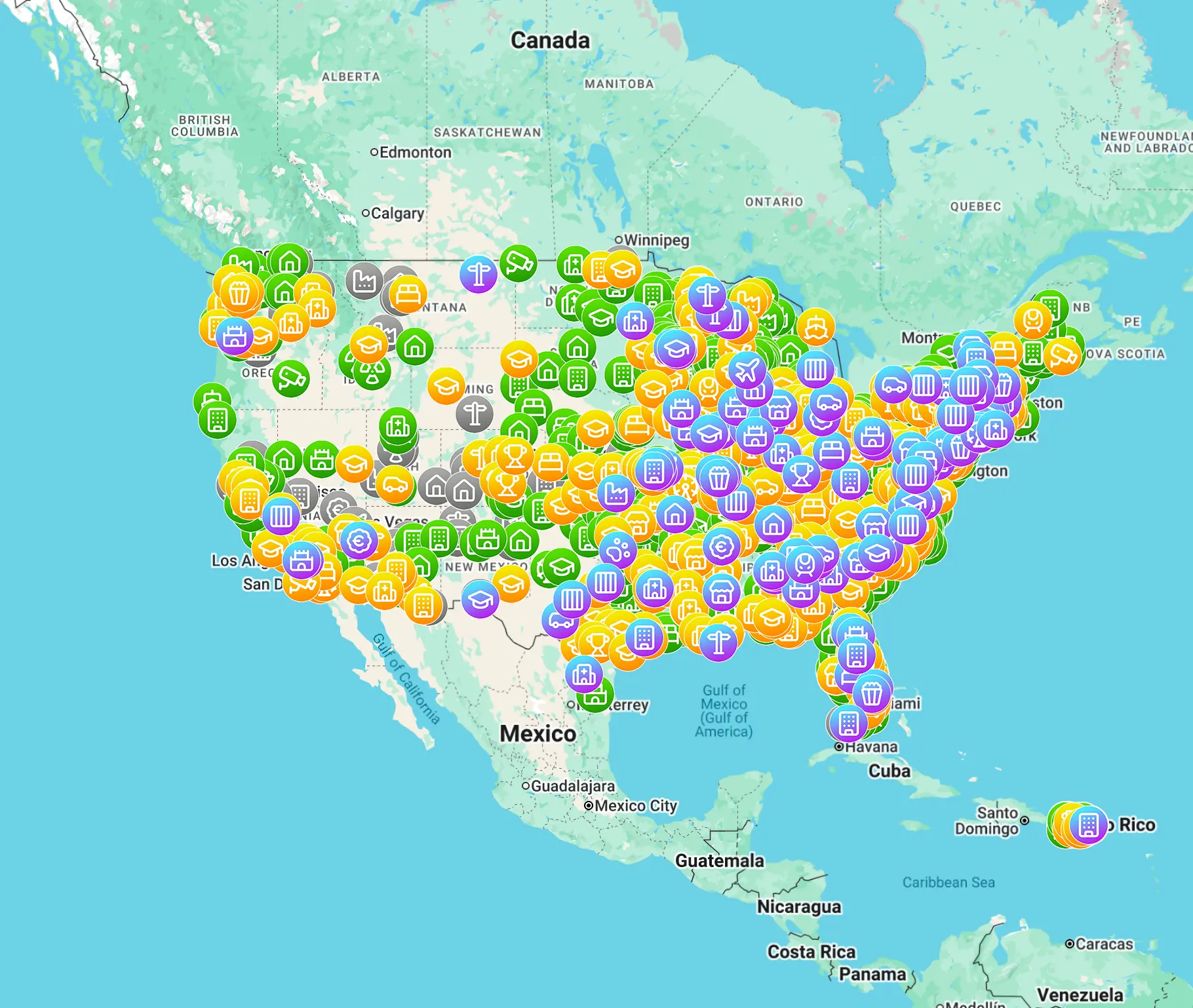
- For planning with verified data, you can also Browse all urbex maps.
Quick facts
- Best format mix: 2 podcasts and 3 to 4 books.
- Best listening moment: before research trips and after visits.
- Best reading themes: industrial history, architecture, photography, law, and city memory.
- Best audience: beginners who want context and experienced explorers who want better judgment.
- Main red flag: resources that glorify trespassing or ignore obvious danger.
Why do podcasts and books matter for urbex culture?
Podcasts and books matter because urbex is not only about entering a space. It is about understanding why a place was built, why it closed, how communities remember it, and what responsible documentation looks like.
That wider context changes behavior. Explorers who study history and ethics are usually more careful with access, privacy, and preservation. They are also better at spotting unsafe structures, weak sourcing, and repeated myths.
This is also where MapUrbex fits well. Verified locations and curated maps are useful, but they work best when paired with research habits and preservation-first judgment.
How should you choose urbex podcasts?
Choose urbex podcasts that provide reporting, guest expertise, and clear context. The best audio resources do not just narrate adrenaline. They explain people, places, risks, and memory.
Use these criteria when filtering podcasts:
- Look for interviews with historians, photographers, archivists, architects, or former workers.
- Prefer episodes that identify dates, industries, and regional context.
- Value hosts who discuss ethics, permissions, and safety honestly.
- Be cautious with shows that oversell access stories or hide legal limits.
- Treat local history, architecture, and industrial heritage podcasts as part of your urbex toolkit.
In practice, the strongest podcast categories are:
- Oral history podcasts about factories, railways, hospitals, ports, and mining regions.
- Local history shows focused on neighborhoods, urban change, and demolition.
- Architecture podcasts about adaptive reuse, ruins, and the life cycle of buildings.
- Photography podcasts that discuss documentation, storytelling, and respect for subjects.
- Human-factors or safety podcasts that improve risk perception.
A simple rule helps: a podcast becomes an urbex resource when it helps you interpret places more accurately and behave more responsibly.
Which kinds of urbex books are most useful?
The most useful urbex books are usually not secret-spot books. They are photo books, industrial history titles, urban studies essays, and practical references that teach you how to read abandoned sites with more precision.
| Resource type | What it teaches | Why it matters for urbex |
|---|---|---|
| Photography books on abandonment | Framing, light, sequencing, visual ethics | Helps you document without turning decay into empty cliché |
| Industrial heritage books | Machinery, labor history, production systems | Explains what you are actually seeing on site |
| Architecture and urban studies books | Building types, reuse, decline, demolition | Improves interpretation of schools, hospitals, plants, and housing |
| Local history monographs | Timelines, ownership, neighborhood memory | Adds regional accuracy before a visit |
| Legal and safety references | Access limits, liability, structural awareness | Supports lawful and safer decision-making |
For beginners, one well-captioned photo book plus one industrial history title is often more useful than a shelf of dramatic ruin photography.
What is a balanced selection of the best urbex podcasts and books?
A balanced selection includes five complementary resource types. Together, they build better knowledge than any single list.
-
One interview-based podcast Choose a show with historians, photographers, or former site workers. It builds context and shows how people connected to a place describe it.
-
One local or regional history podcast This is where you learn why a district changed, which industries disappeared, and how urban memory survives.
-
One industrial heritage book This helps decode infrastructure, machinery, floor plans, and production logic.
-
One photography monograph with strong captions Good captions matter. They connect images to dates, functions, and ethical context.
-
One urban studies or architecture book This gives you vocabulary for vacancy, reuse, deindustrialization, suburban decline, and public policy.
If you want to turn theory into city-level exploration, MapUrbex also publishes curated guides such as Urbex Strasbourg: 10 Abandoned Places to Know in Strasbourg and Nearby, Urbex Toulouse: Best Abandoned Places In and Around Toulouse, and Urbex Brussels: guide to abandoned places in and around Brussels.
How do these resources improve real-world exploration?
These resources improve real-world exploration by making your decisions slower, more informed, and less destructive. Good preparation reduces bad assumptions.
Before a visit, books and podcasts help you identify the original function of a site, likely hazards, and local sensitivities. During documentation, they improve framing, note-taking, and respect for traces left by former users. After a visit, they help you verify what you saw instead of guessing.
They also reinforce a core safety rule: never force entry, never ignore active ownership, and never treat ruins as predictable environments. Laws vary by country, and structural risk can change from one room to the next.
Where does MapUrbex fit into a serious urbex learning routine?
MapUrbex fits at the planning stage. It complements cultural research with verified locations, curated maps, and a preservation-first mindset.
That matters because information quality is uneven in urbex. A resource can look impressive and still be weak on access, context, or safety. Using a curated map after reading and listening is a practical way to connect culture with preparation.
If you want a broader overview before picking a destination, start here: Browse all urbex maps.
Frequently asked questions
Are there podcasts entirely dedicated to urbex?
Yes, but the most useful listening is often broader than urbex alone. Local history, industrial heritage, architecture, and photography podcasts usually provide better context than access-focused content.
Should beginners start with photo books or history books?
Start with one of each. A good photo book trains observation, while a history book explains function, chronology, and local meaning.
Can books and podcasts replace site verification?
No. They improve judgment, but they do not confirm current access, ownership, hazards, or legality. Field decisions still require caution and up-to-date information.
What red flags make an urbex resource unreliable?
Major red flags include glamorized trespassing, vague claims with no dates or sources, absent safety discussion, and location exposure that ignores preservation.
Is it safe to copy routes described in a book or podcast?
No. Conditions change, ownership changes, and structural stability changes. Use published stories as context, not as instructions.
Conclusion
The best urbex podcasts and books are the ones that make you more accurate, more patient, and more responsible. They deepen your understanding of abandoned places instead of reducing them to aesthetic backdrops.
Used well, these resources turn urbex from simple discovery into informed interpretation. That is better for your work, better for safety, and better for the places themselves.
Access the free urbex map
