 MapUrbex
A practical guide to the top 50 abandoned places in Brittany, with site types, regional patterns, safety notes, and responsible urbex advice.
Top 50 Abandoned Places in Brittany: Verified Urbex Guide
Brittany is one of the most varied regions in France for abandoned architecture. Coastal manors, empty schools, closed factories, former religious buildings, bunkers, and rural farm complexes all appear within a relatively compact area.
This guide to abandoned places in Brittany is designed as an informational overview. It highlights 50 standout site profiles across Finistère, Côtes-d'Armor, Morbihan, and Ille-et-Vilaine without publishing sensitive access details or encouraging unsafe behavior.
For a broader regional overview, you can Browse all urbex maps, read Urbex in Brittany: 5 Types of Abandoned Places Worth Knowing, or consult Brittany Urbex Map: Hidden Abandoned Places Across Brittany. MapUrbex follows a preservation-first approach based on verified locations and responsible exploration.
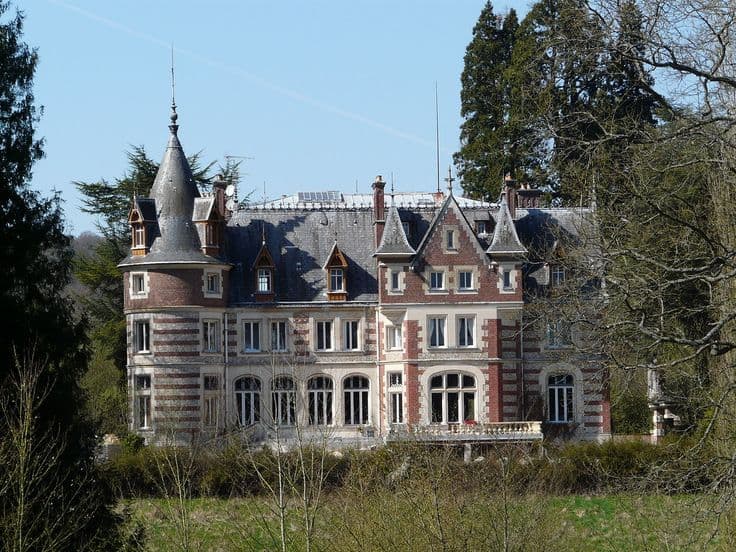
What are the best abandoned places in Brittany?
The best abandoned places in Brittany are usually coastal manors, disused industrial buildings, rural schools, shuttered chapels, military remnants, and abandoned farms spread across the four Breton departments. For Brittany urbex, the most useful way to compare sites is by architectural value, current condition, weather exposure, and legal context rather than by viral reputation alone.
Quick summary
- Brittany has a strong mix of maritime, rural, military, and religious abandoned sites.
- Finistère and Morbihan often stand out for coastal decay, sea exposure, and visual drama.
- Côtes-d'Armor and Ille-et-Vilaine offer many manor houses, schools, farms, and transport relics.
- The most common risks are unstable floors, mold, asbestos, tides, cliffs, and storm damage.
- Responsible urban exploration in Brittany means no forced entry, no damage, and no publication of sensitive access points.
- Verified maps are more useful than viral lists because site status can change quickly.
Quick facts
- Region covered: Brittany
- Departments: Finistère, Côtes-d'Armor, Morbihan, Ille-et-Vilaine
- Best-known categories: manors, villas, farms, schools, chapels, factories, bunkers, rail sites
- Best seasons for visibility: late autumn, winter, early spring
- Main safety issues: weather, humidity, tides, unstable structures, contamination
- Best planning method: use current, verified information before every trip
How is this top 50 list of abandoned places in Brittany organized?
This top 50 is organized by visual interest, regional diversity, and typical site value for informational research. It is not a public invitation to enter private property, and it does not reveal exact coordinates, entrances, or breach methods.
The ranking gives priority to five criteria:
- Architectural identity
- State of preservation or decay
- Representative value for Brittany urbex
- Variety across the region
- Relevance for photographers, historians, and careful explorers
That approach makes the list useful for readers researching abandoned sites in Brittany while staying consistent with responsible urbex practice.
Which 50 abandoned places in Brittany stand out the most?
The 50 entries below represent the kinds of abandoned places that define Brittany best. They are intentionally described at a high level so readers can understand the regional landscape without turning a public article into a trespass guide.
- Coastal manor with collapsed greenhouse — Finistère. A classic Breton urbex setting with stonework, salt exposure, and fast decay.
- Granite hunting lodge above the moor — Côtes-d'Armor. Small, isolated, and visually strong in poor weather.
- Walled merchant villa near an old harbor — Morbihan. A good example of maritime wealth turned into abandonment.
- Neo-Gothic manor hidden by rhododendrons — Ille-et-Vilaine. One of the most photogenic house types in the region.
- Seaside boarding house with sealed verandas — Finistère. A reminder of changing coastal tourism patterns.
- Country château wing left unfinished — Côtes-d'Armor. Valuable for understanding interrupted redevelopment.
- Abandoned estate with stone chapel — Morbihan. A combined domestic and religious heritage profile.
- Belle Époque villa behind dunes — Ille-et-Vilaine. Strong visual appeal, but often highly exposed to weather.
- Manor farm with empty stables — Finistère. A hybrid site linking aristocratic and agricultural history.
- Former notary house in a market town — Côtes-d'Armor. Smaller than a château, but often richer in everyday detail.
- Sardine cannery shell near the coast — Finistère. One of the most recognizable industrial forms in western Brittany.
- Closed flour mill on a tidal river — Côtes-d'Armor. Useful for readers interested in industrial water infrastructure.
- Derelict shipyard office block — Morbihan. A harder, more modern side of Brittany's abandoned heritage.
- Brick lime kiln complex — Ille-et-Vilaine. Industrial archaeology with strong material texture.
- Rope factory remains by a channel — Morbihan. Closely linked to maritime trade and naval history.
- Abandoned dairy plant outside a village — Finistère. A typical rural industry site with fragile interiors.
- Granite quarry workshop — Côtes-d'Armor. Important for understanding local building traditions.
- Disused rail goods depot — Ille-et-Vilaine. Often compact, accessible to view from public space, and historically useful.
- Former telephone exchange with intact tiles — Morbihan. A small but often surprisingly preserved administrative site.
- Empty woodworking warehouse in the countryside — Finistère. Common in mixed rural-industrial zones.
- Rural school with maps still on the wall — Côtes-d'Armor. One of the most evocative public-building categories.
- Closed seaside holiday camp — Finistère. A key example of postwar leisure infrastructure in decline.
- Small chapel with a collapsed sacristy — Morbihan. Fragile heritage with high preservation sensitivity.
- Former presbytery with overgrown garden — Ille-et-Vilaine. Typical of slow abandonment in village centers.
- Abandoned clinic on the edge of a town — Finistère. Frequently discussed online, but often legally sensitive.
- Convalescent home inland — Côtes-d'Armor. Large enough to attract explorers, risky enough to require caution.
- Training center left after restructuring — Morbihan. A modern institutional ruin with changing access conditions.
- Old cinema hall with worn red seats — Ille-et-Vilaine. Rare, memorable, and culturally significant.
- Village post office and lodging — Finistère. Small-scale abandonment with everyday historical value.
- Closed boarding school with courtyard arcades — Côtes-d'Armor. Architecturally strong and often heavily weathered.
- Coastal bunker cluster above a beach — Finistère. Historically important, but often dangerous due to erosion.
- Disused semaphore or lookout station — Côtes-d'Armor. A maritime surveillance relic with wide views and high exposure.
- Military fuel store hidden in the woods — Morbihan. Usually discreet, concrete-heavy, and environmentally sensitive.
- Cold War communications building — Ille-et-Vilaine. Less romantic, but valuable for 20th-century history.
- Abandoned railway halt and signal box — Finistère. Good for transport heritage research.
- Stone bridge keeper's house — Côtes-d'Armor. A compact infrastructure ruin with strong local character.
- Empty lock house on an inland canal — Morbihan. Often calm to observe from public paths.
- Disused water tower and pump room — Ille-et-Vilaine. Technically interesting and easy to misjudge for safety.
- Closed ferry terminal annex — Finistère. A maritime transition space now left behind.
- Former customs hut on the estuary — Morbihan. Small, exposed, and closely tied to coastal administration history.
- Longère farmhouse with bread oven — Finistère. One of the clearest expressions of rural Breton abandonment.
- Empty pig farm sheds reclaimed by ivy — Côtes-d'Armor. Visually simple, but very representative of agricultural decline.
- Orchard estate with cider cellar — Morbihan. A quieter site type with strong regional identity.
- Abandoned greenhouse complex — Ille-et-Vilaine. Attractive in photos, but often full of sharp hazards.
- Ruined hut on open moorland — Finistère. Minimal architecture, maximum landscape atmosphere.
- Disused equestrian center — Côtes-d'Armor. A newer ruin type linked to changing leisure economics.
- Holiday village swimming pool block — Morbihan. Distinctive because of empty tiled interiors.
- Forgotten artist studio in a hamlet — Ille-et-Vilaine. Rare and often emotionally resonant.
- Closed campsite reception by the dunes — Finistère. A small but very Breton form of coastal abandonment.
- Former botanical nursery with broken glasshouses — Morbihan. Strong vegetation takeover and fragile materials.
Where are abandoned places most common in Brittany?
Abandoned places are most common in areas where older rural settlement, maritime industry, military infrastructure, and declining local services overlap. In practice, each Breton department has its own dominant pattern.
| Department | Common abandoned site types | What usually stands out | Main cautions |
|---|---|---|---|
| Finistère | coastal manors, bunkers, canneries, holiday camps, farmhouses | dramatic sea exposure, fast decay, strong textures | tides, cliffs, storms, salt damage |
| Côtes-d'Armor | schools, lodges, mills, farms, manor houses | granite architecture, rural isolation, mixed conditions | unstable roofs, vegetation, difficult access roads |
| Morbihan | villas, shipyard remains, chapels, canal sites, estates | maritime history, layered heritage, varied scales | humidity, sealed structures, legal sensitivity |
| Ille-et-Vilaine | villas, depots, presbyteries, administrative sites, greenhouses | urban-rural contrast, transport history, adaptive reuse pressure | redevelopment, surveillance, contamination |
This is why “top abandoned places in Brittany” is never a single-site answer. The region contains several different abandoned landscapes rather than one dominant urbex pattern.
Why does Brittany attract so much urbex interest?
Brittany attracts strong urban exploration interest because its abandoned sites combine stone architecture, Atlantic weathering, rural dispersion, and maritime history. Few French regions offer this mix at the same density.
Several features make abandoned buildings in Brittany especially distinctive:
- granite and slate surfaces that age dramatically
- coastal wind and salt that accelerate visible decay
- many isolated hamlets and secondary buildings
- former fishing, military, rail, and religious infrastructure
- a strong contrast between famous coastlines and hidden inland ruins
For readers researching urbex Bretagne or exploration urbaine Bretagne in English, that combination explains why the region produces both highly photogenic ruins and serious safety challenges.
How should you explore abandoned places in Brittany responsibly?
You should explore abandoned places in Brittany only within the law, without forcing access, and with full respect for owners, neighbors, and fragile heritage. An abandoned building is not an invitation.
Responsible practice means:
- checking ownership and legal status every time
- never climbing through broken windows, fences, or sealed openings
- avoiding solo visits in exposed coastal or rural areas
- watching for mold, asbestos, rotten floors, and unsecured wells
- leaving every object exactly where it is
- not sharing sensitive access details publicly
Safety reminder: coastal ruins in Brittany can become much more dangerous during rain, wind, high tide, or after storms. Preservation comes before content, and legality comes before curiosity.
If you want a structured starting point, MapUrbex focuses on verified locations and curated maps rather than viral guesswork.
How does Brittany's weather change an urbex visit?
Brittany's weather can completely change the condition and risk level of an abandoned site in a matter of hours. This matters more here than in many inland regions.
Rain increases slips, hidden rot, and flooded lower floors. Salt air weakens metal faster than many visitors expect. Wind can shift loose shutters, roofing, and glass. At coastal sites, tides and cliff paths add a second layer of risk that has nothing to do with the building itself.
For photography, winter and early spring often improve visibility because vegetation is lower. For safety, dry and calm days are far better than dramatic weather.
FAQ
Is urbex legal in Brittany?
Not automatically. A place being abandoned does not remove ownership, liability, or local restrictions. Always assume a site is private unless you have clear permission or lawful public access.
What types of abandoned places are easiest to find in Brittany?
Rural farms, small manor houses, former schools, religious buildings, and coastal service structures are among the most common categories. Large hospitals and famous mansions exist, but they are far less representative than everyday rural and maritime sites.
Are coastal abandoned places in Brittany more dangerous?
Yes, often. Salt damage, slippery stone, cliff edges, hidden drops, and fast weather changes make coastal ruins riskier than many inland locations.
Does MapUrbex publish exact coordinates in public articles?
Public articles stay general and educational. MapUrbex is built around verified locations, responsible urbex, and curated map data rather than open publication of sensitive entry details.
Conclusion
The best abandoned places in Brittany are not limited to one famous manor or one viral ruin. The region stands out because it combines maritime industry, rural heritage, military remnants, closed institutions, and weather-shaped decay across four very different departments.
If you are researching abandoned sites in Brittany, the most useful method is simple: compare site types, verify current status, respect the law, and put preservation first.
Access the free urbex map
