 MapUrbex
A practical guide to urbex in London, including abandoned places, legal realities, safety basics, and how to explore responsibly.
Urbex London: Abandoned Places and Urban Exploration Guide
London is one of Europe's most discussed cities for urban exploration. It combines Victorian infrastructure, former industry, disused transport spaces, and a constant cycle of redevelopment.
That also makes London complicated. Many famous abandoned places in London are now sealed, monitored, demolished, or converted, so a good urbex London guide needs to explain not only where these places exist in history, but how to approach them responsibly today.
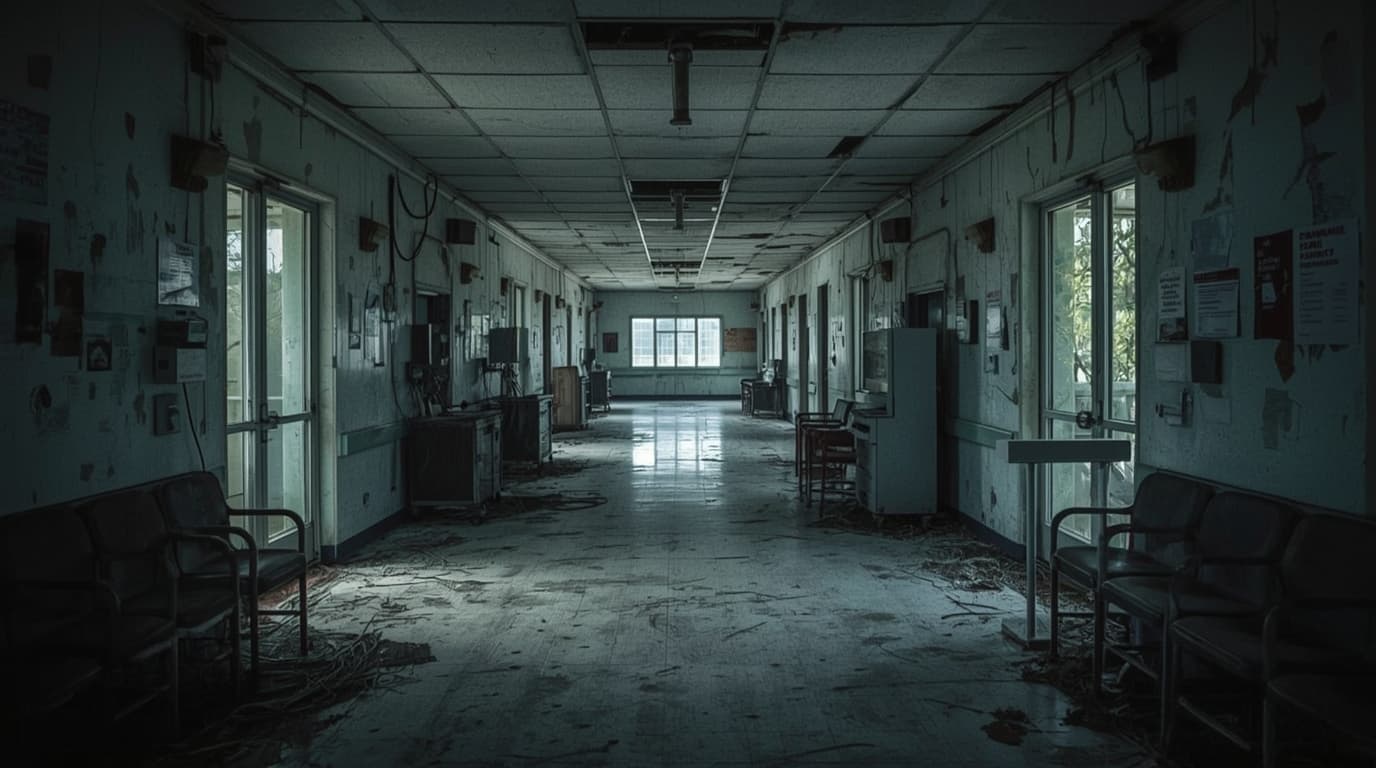
What should you know before doing urbex in London?
Urbex in London is best approached as legal, research-based documentation of disused places rather than a hunt for easy entry. The city still has abandoned buildings, hidden infrastructure, and temporary vacancies, but access changes quickly, security is often high, and the safest method is to use verified information, public viewpoints, tours, or owner permission whenever possible.
Quick summary
- London has a strong urbex reputation because of its disused stations, industrial remnants, hospitals, docks, and institutional buildings.
- Many well-known abandoned places in London no longer exist in their classic urbex form because of demolition, redevelopment, or tighter security.
- The best urbex London approach is verification first: check status, access rules, safety conditions, and recent changes.
- Publicly accessible heritage sites, official tours, and visible exterior photography are often the most sustainable way to document historic spaces.
- Greater London usually offers more realistic exploration leads than central London, where vacancies are shorter and security is heavier.
- MapUrbex is built around curated maps, verified information, and preservation-first exploration.
Quick facts
- City: London, United Kingdom
- Topic: Urban exploration, abandoned places, disused infrastructure
- Best-known themes: Disused Tube spaces, former hospitals, docklands industry, institutional buildings
- Current reality: Many iconic London urbex sites are sealed, redeveloped, or closely monitored
- Best method: Research first, verify access, avoid trespassing, and prioritize documentation over entry
- Safety note: Never force access or enter unstable, contaminated, or restricted sites
Why is London such an important city for urban exploration?
London is important for urban exploration because it layers centuries of infrastructure, public institutions, industry, and transport inside one large metropolitan area. Few cities combine abandoned Victorian structures, redundant rail spaces, former hospitals, dock basins, bunkers, and municipal buildings at the same scale.
The city also changes fast. A site can move from derelict to fenced, from fenced to demolished, or from abandoned to luxury redevelopment in a short time. That is why exploration urbaine in London is less about collecting secret spots and more about understanding cycles of vacancy and reuse.
This pattern makes London useful for researchers, photographers, and history-focused explorers. It is also why reliable verification matters more here than in slower-changing regions.
Which abandoned places define the London urbex scene?
The London urbex scene is defined less by one single active list of buildings and more by recurring categories: disused Underground spaces, former hospitals, docklands industry, military infrastructure, and civic buildings waiting for reuse. Many famous names survive mainly as historical reference points rather than easy current visits.
| Site category | Known London examples | Current reality | Best practice |
|---|---|---|---|
| Disused transport spaces | Aldwych station, Down Street station | Usually sealed, controlled, or tour-only | Focus on history, exterior context, and official access |
| Former hospitals | Cane Hill Hospital, Friern Hospital | Often demolished or redeveloped | Verify status before any trip |
| Docklands industry | Millennium Mills, Royal Docks warehouses | Heavy regeneration and strong security | Treat as historical landscape, not assumed access |
| Military and shelter sites | Deep shelters, bunkers, civil defense spaces | Restricted, hidden, or repurposed | Never attempt forced access |
| Civic and institutional sites | Schools, churches, offices, police buildings | Short vacancy windows | Check redevelopment and ownership records |
1. Disused Underground stations
Disused Tube stations are probably the most famous part of urbex London. They are iconic because they connect London's transport history with hidden architecture, unused platforms, tiled corridors, and wartime adaptations.
Aldwych is the best-known example. It closed to regular service in 1994 and remains notable as a preserved disused station used for filming and occasional controlled access. That makes it historically important, but not a casual abandonment site. The same general rule applies to many former Underground spaces: they matter to urbex culture, yet they are rarely lawful free-entry targets.
2. Former hospitals and asylum complexes
Former hospitals helped shape the mythology of abandoned places in London and its outskirts because they were often large, isolated, and architecturally distinctive. Their long corridors, service tunnels, chapels, and decaying wards made them frequent subjects in urban exploration photography.
Cane Hill Hospital in Croydon is one of the most cited examples in older urbex discussions, but it is also a good reminder that London sites age out quickly. Much of the complex has been demolished or redeveloped. That is a common pattern across Greater London: the historical importance remains, while the practical exploration value disappears.
3. Docklands mills, depots, and warehouses
The Docklands have long represented industrial London in ruin. Large warehouses, grain facilities, depots, and riverside structures once defined the abandoned edge of the city.
Millennium Mills became one of the best-known images of London industrial decay in the Royal Docks. Today, however, the wider area is deeply affected by regeneration, fencing, and controlled redevelopment. For photographers, the docklands still matter as a landscape of transition, but not as a place where older access assumptions remain valid.
4. Military and civil defense infrastructure
Military infrastructure is part of London's abandoned geography because wartime and Cold War planning left behind shelters, command spaces, and defensive structures. These locations attract attention because they combine secrecy, engineering, and historical tension.
They also require the strongest caution. Many are sealed, unsafe, or legally sensitive. Some have been repurposed, while others are located on active or restricted land. In London, this category should be approached primarily as research history unless there is explicit lawful access.
5. Civic, religious, and institutional buildings
Temporary vacancies in churches, schools, offices, libraries, or public buildings often create the most realistic abandoned buildings in London today. These sites may not be internationally famous, but they often reflect the city's real abandonment cycle more accurately than headline ruins.
The challenge is that these buildings change status quickly. A closed school may be boarded for six months and then converted. A former office may sit empty during planning disputes and then return to active construction. Good London urbex research therefore depends on recent, date-specific verification.
How can you find abandoned places in London without relying on unsafe tips?
The safest way to find abandoned places in London is to combine map research, planning records, historical comparison, and verified status checks instead of chasing social media coordinates. Good research reduces legal risk, wasted trips, and unsafe assumptions.
Start with satellite imagery, Street View, old mapping layers, planning applications, and redevelopment news. Visible indicators such as roof failure, boarded windows, overgrown access roads, or demolition notices matter, but they never prove lawful entry. Ownership, recent activity, and construction timelines matter just as much.
If you want a methodical workflow, read How to Find Abandoned Places with Google Maps and How to Start Urbex: A Beginner's Guide to Urban Exploration. For broader discovery across regions, you can also Browse all urbex maps.
Access the free urbex map
What legal and safety issues matter most for urban exploration in London?
The most important legal and safety issue in London is that an abandoned-looking building is not automatically legal to enter. Trespassing rules, rail restrictions, active redevelopment, private security, unstable floors, asbestos, water damage, and hidden shafts all create real risk.
London adds extra complications because transport land, utility sites, and construction zones are often heavily controlled. Some places look empty from the street but are actively monitored or part of live infrastructure networks.
Use these rules as a baseline:
- Do not force doors, cut fences, or bypass locks.
- Do not enter railway property, tunnels, rooftops, or confined spaces without explicit lawful access.
- Do not treat older online reports as current facts.
- Leave everything exactly as found.
- Avoid solo entry in remote or unstable environments.
- If access is unclear, document from public space and move on.
Responsible urbex protects both people and places. That principle matters more than getting inside.
When is a London site no longer worth visiting for urbex?
A London site is no longer worth visiting when its history has been replaced by active redevelopment, severe damage, legal sensitivity, or unreliable information. In practice, many famous sites remain important as case studies even after they stop being good destinations.
This is common in London because redevelopment is fast. A place may still appear in old photo sets, forum posts, or videos long after its condition has changed. Treat publication date as a key data point.
A useful rule is simple: if the site's present status is uncertain, the trip should be framed as historical research, neighborhood scouting, or exterior documentation rather than entry-based exploration.
How does MapUrbex help you explore London responsibly?
MapUrbex helps with London urban exploration by focusing on curated maps, verification, and preservation-first decision making. That matters in a city where rumor spreads faster than accurate status updates.
Use MapUrbex to Browse all urbex maps when comparing regions, and start with How to Start Urbex: A Beginner's Guide to Urban Exploration if you are still building your method. London rewards patience, documentation, and critical checking more than impulsive exploration.
Access the free urbex map
FAQ
Is urbex legal in London?
Urbex itself is not a single legal category in London. The legal issue is usually access: entering private, restricted, railway, or utility property without permission can create serious problems. The safest approach is to use public viewpoints, official access, or permission-based visits.
Are there still abandoned places in London?
Yes, but they are often temporary, heavily secured, or located on the metropolitan edge rather than in central London. Many classic abandoned buildings in London have already been redeveloped or demolished. Current verification is more important than old reputation.
What are the most famous historical London urbex references?
Aldwych station, Cane Hill Hospital, and Millennium Mills are among the most cited names. They are important because they shaped the visual identity of London urbex. They are not proof of easy present-day access.
Can beginners do urban exploration in London?
Beginners can learn from London, but they should start cautiously. Research, daylight exterior visits, heritage tours, and clear legal access are better first steps than trying to enter unknown sites. A beginner should build judgment before attempting any complex environment.
What gear is useful for urban exploration in London?
A charged phone, offline map, flashlight, weather-ready clothing, gloves, and basic first-aid supplies are practical. A camera is optional; situational awareness matters more. Specialized gear never makes unlawful or unsafe access acceptable.
How do you respect an abandoned site?
Respect means no forced entry, no damage, no theft, and no publishing of reckless access details. It also means avoiding actions that increase closure, vandalism, or risk for others. Preservation-first behavior is a core part of responsible urbex.
Conclusion
Urbex London is best understood as a changing urban landscape, not a fixed list of secret buildings. The city's most famous abandoned places include disused stations, former hospitals, docklands ruins, and civic vacancies, but many are now sealed, transformed, or gone.
The most reliable approach is simple: verify first, stay legal, document carefully, and prioritize preservation over access. That is how London remains meaningful for urban exploration without turning fragile sites into disposable content.
Access the free urbex map
