 MapUrbex
A clear guide to urbex laws in Europe, including trespass, private property, photography, and the country-by-country checks that matter most.
Urbex Laws in Europe: What Is Legal and Illegal by Country
Europe has thousands of abandoned factories, hospitals, military sites, hotels, and amusement parks. That visual diversity does not create a shared legal rule. The law changes from country to country, and sometimes from region to region.
For most visitors, the key legal question is simple: are you standing on public land, or have you entered private or restricted property without permission? That boundary decides most of what is legal or illegal in urbex. This guide is informational only and does not replace local legal advice.
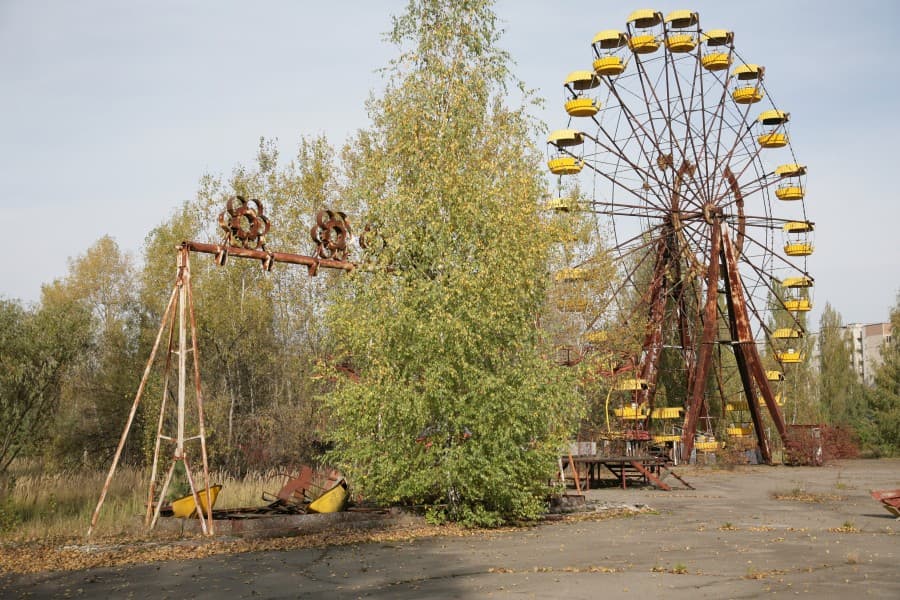
Is urbex legal in Europe?
Urbex is not automatically legal in Europe. Photographing an abandoned place from a lawful public viewpoint is often legal, but entering a private, fenced, closed, or secured site without permission is usually illegal or legally risky. The exact answer depends on each country's rules on trespass, property, safety, transport infrastructure, heritage, and protected sites.
Quick summary
- Europe has no single urbex law.
- Abandoned does not mean ownerless or open to entry.
- Public photography is often lawful, but entry is a separate legal question.
- Forced access, damage, theft, and refusal to leave are commonly illegal everywhere.
- Railways, tunnels, military areas, utilities, and active industrial sites usually carry stricter rules.
- Responsible urbex starts with permission, verification, and preservation-first behavior.
Quick facts
- Scope: Europe
- Intent: informational legal guide
- Main legal issues: trespass, private property, criminal damage, theft, safety, photography, drones
- Common mistake: assuming an open door equals permission
- Higher-risk sites: rail property, military sites, infrastructure, occupied buildings
- Best practice: verify ownership, local law, and site status before any visit
Why is there no single urbex law in Europe?
There is no single urbex law in Europe because Europe is not one property-access jurisdiction. EU-level rules do not create a general right to enter abandoned buildings. In practice, access questions are handled mostly by national law, and sometimes by regional or municipal rules as well.
This matters because the same behavior can be treated differently across borders. A quiet abandoned factory, a closed hospital, and a disused rail depot may all look similar to a photographer, but the legal category can change completely. Transport, military, environmental, and heritage laws often overlap with basic property law.
A second difference is enforcement. In some countries, the first issue is unlawful entry. In others, the most immediate risk is breaking security, entering enclosed land, refusing to leave, or accessing protected infrastructure. That is why generic social media advice is unreliable.
What is usually illegal during urbex in Europe?
The actions most often treated as illegal in Europe are unauthorized entry, forced access, damage, theft, and entry into restricted infrastructure. Even where simple trespass rules vary, breaking locks, climbing fences, ignoring warnings, or taking objects usually creates clear legal exposure.
| Action | Typical legal risk | Why it matters |
|---|---|---|
| Forcing a door, window, gate, or lock | Criminal damage, break-in related offences | Force turns a borderline situation into a clear offence |
| Entering fenced, signed, closed, or secured private property without permission | Trespass or unlawful entry | Signs and barriers show lack of consent |
| Refusing to leave after being told to leave | Additional civil or criminal consequences | Remaining after notice removes any ambiguity |
| Taking objects, metal, documents, or souvenirs | Theft or handling stolen property | Nothing inside becomes free because a site is abandoned |
| Entering rail lines, tunnels, stations, depots, or utility sites | Transport and infrastructure offences | These places carry serious safety and security rules |
| Flying a drone where prohibited | Aviation, privacy, or local administrative penalties | Drone rules often differ from ground access rules |
An open entrance does not automatically make entry legal. If the site is privately owned, restricted, or clearly not open to the public, access can still be unlawful. The safest rule is simple: if you do not have permission, stay outside the boundary and work from public land only.
How does private property affect what is legal or illegal in urbex?
Private property is the main legal line in urbex. A building can be abandoned, decaying, and visibly unused while still being fully owned and legally protected. The owner may be a company, a municipality, a bank, an insolvency administrator, a developer, or a private family.
That is why the phrase abandoned building often misleads beginners. Physical neglect does not cancel ownership rights. It does not create public access. It does not remove the owner's right to secure the site, call police, or claim damages after vandalism, injury, or theft.
A second practical issue is boundaries. The legal problem often begins before you reach the building itself. Crossing a fence, entering a yard, walking onto a closed industrial parcel, or passing a no entry sign can matter just as much as stepping indoors. If you need a safer way to research locations, start with Urbex Map Europe: How to Find Verified Abandoned Places Safely and Browse all urbex maps.
Which five legal checks matter most country by country?
The most useful way to compare urbex laws by country is to check five recurring legal questions: unlawful entry, restricted-site status, imaging rules, heritage protection, and removal or enforcement powers. Those categories explain most of what is legal or illegal in Europe.
1. How does the country define trespass or unlawful entry?
Every country draws the line differently. Some legal systems focus on entering enclosed or secured property against the will of the owner or lawful occupier. Others separate civil trespass from criminal behavior and only criminalize specific acts such as damage, refusal to leave, or access to specially protected places.
This distinction matters because many online claims oversimplify the law. Saying trespass is only civil, or always criminal, is usually incomplete. You need the exact local definition, the type of property involved, and the facts on the ground.
2. Does the site fall under transport, military, or critical-infrastructure rules?
A location may look abandoned and still be legally sensitive. Closed rail yards, tunnels, stations, bunkers, power facilities, water works, border infrastructure, and former military areas often fall under stricter rules than an empty farmhouse or hotel.
These places also carry higher safety risks. Even if a structure appears disused, electricity, unstable floors, hidden shafts, contamination, or occasional operational use may remain. From both a legal and preservation standpoint, restricted infrastructure is the wrong place to test grey areas.
3. Are there specific rules for photography, drones, or publishing images?
Photography and access are not the same legal question. In many places, taking photos from a public road, public path, or lawful public viewpoint is allowed. That does not authorize you to step onto private land, fly a drone, or ignore privacy, national-security, aviation, or local filming restrictions.
Drone rules are especially easy to misread. A ground-level photo may be lawful while drone takeoff, flight, or image capture is restricted. If your plan includes aerial work, you need to check aviation rules separately from access rules.
4. Are heritage or conservation laws stricter than ordinary access rules?
Yes, they often are. A site can be abandoned yet protected as a listed building, industrial monument, archaeological area, or environmentally sensitive zone. In those cases, collecting fragments, moving objects, disturbing interiors, or entering fragile structures can create extra legal problems.
This is one reason preservation-first urbex matters. Responsible explorers do not treat decay as disposable. They avoid touching, moving, or taking items, and they do not publish instructions that accelerate vandalism or stripping.
5. Who can order you to leave, and what happens if you refuse?
Owners, lawful occupiers, site managers, police, railway staff, or private security may have authority to remove you or start enforcement depending on the site and country. Refusing a clear order to leave usually makes the situation worse, even if you entered thinking the property was inactive.
The practical rule is simple: stay calm, leave immediately, and do not argue access rights at the gate. If you want to plan multi-country research more carefully, read How to Plan an Urbex Road Trip in Europe.
How should you research urbex law before visiting a site in Europe?
You should research urbex law before visiting by checking ownership, site status, national access rules, local restrictions, and current safety conditions. A few minutes of verification can prevent trespass, confrontation, confiscation, fines, or rescue risk.
Use this short checklist:
- Confirm whether the place is private, public, active, sealed, or protected.
- Check for rail, military, utility, hospital, school, or heritage status.
- Read national rules on trespass, unlawful entry, photography, and drones.
- Look for municipal closures, hazard notices, and posted signs.
- If permission is unavailable or unclear, do not enter.
Map quality matters here. Verified information reduces the chance of confusing a truly disused site with an active facility or protected parcel. Start with Browse all urbex maps if you are comparing regions, then use Urbex Map Europe: How to Find Verified Abandoned Places Safely for a safer research process.
Access the free urbex map
Can you legally photograph abandoned places from public land?
In many cases, yes, photographing an abandoned place from lawful public land is legal. The key limits are where you stand, what you photograph, and whether special rules apply to security-sensitive sites, privacy, drone use, or commercial filming.
That means a photo taken from a public sidewalk is very different from a photo taken after crossing a fence. The image itself may be lawful, but the route you used to get it may not be. When in doubt, choose the public vantage point and avoid any act that could be read as unauthorized entry.
What does responsible urbex look like in practice?
Responsible urbex means no forced entry, no trespassing, no theft, no vandalism, no interference with infrastructure, and no publication of access methods that increase harm. It treats abandoned places as vulnerable heritage, not as free-use spaces.
This approach is also the most durable one. It reduces legal exposure, protects sites from rapid damage, and keeps research focused on verification instead of risk-taking. For a sector-specific example, see Abandoned Hospitals in Europe: Responsible Urbex Guide. You can also Browse all urbex maps to compare regions through curated data rather than random coordinates.
FAQ
Is an abandoned building ownerless because nobody uses it?
No. A building can be empty for years and still be fully owned. Ownership may sit with a company, municipality, bank, developer, liquidator, or heir. Legal access depends on permission, not appearance.
Is it legal if a door or window is already open?
Usually not. An open entry point does not create consent. If the site is private or closed to the public, walking in can still count as unauthorized entry or trespass.
Can police or security remove you even if you caused no damage?
Yes, often they can. If you are on private or restricted property without permission, removal may be immediate. Refusing to leave usually creates a bigger legal problem than leaving at once.
Are photos always legal once you are inside?
No. If the entry itself was unlawful, the photo does not erase the access issue. Separate rules can also apply to privacy, drones, security-sensitive sites, and commercial use.
Does posting a location online create legal or ethical risk?
Yes. Publishing exact access details can accelerate vandalism, stripping, and unsafe visits. Even when posting is not itself illegal, it can conflict with preservation-first urbex principles.
Conclusion
Urbex law in Europe is built around one core fact: abandoned does not mean public. What is legal or illegal depends mainly on permission, property boundaries, restricted-site status, and the specific national rules where the site is located.
The safest approach is also the most responsible one: verify the place, stay on public land unless you have permission, and avoid any site linked to transport, utilities, military use, or active operations. MapUrbex focuses on verified locations and preservation-first research for exactly that reason.
Access the free urbex map
