 MapUrbex
Discover the 20 most searched types of abandoned places near Paris, how to assess them responsibly, and where to find verified urbex locations with MapUrbex.
Top 20 Abandoned Places Near Paris: A Responsible Urbex Guide
Abandoned places near Paris attract constant interest from photographers, historians, and responsible urbex researchers. The challenge is not finding rumors. The challenge is finding current, verified information and filtering out unsafe or illegal suggestions.
This guide explains what people usually mean when they search for abandoned places near Paris, which site types are most sought after, and how to evaluate a spot before planning a visit. It is written for people who want a practical overview, not random coordinates.
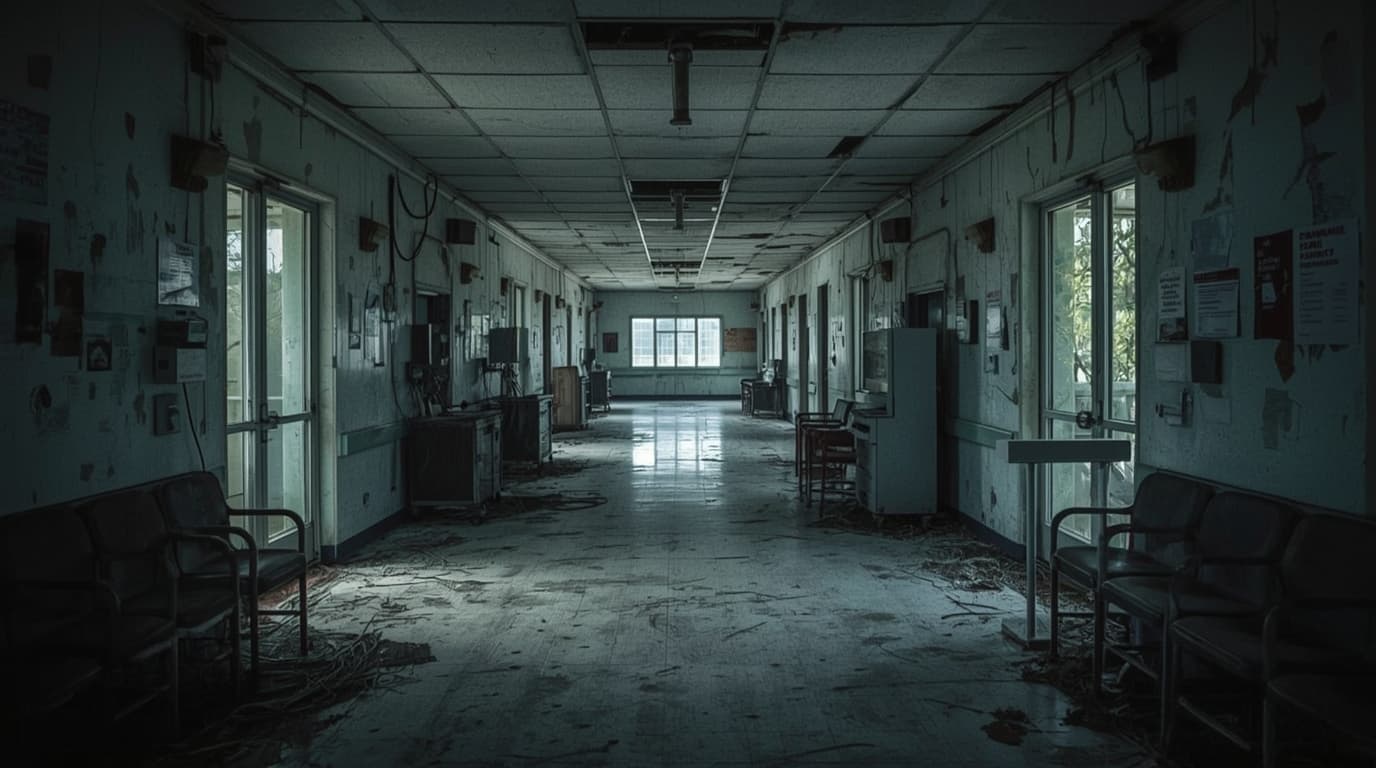
Where can you find abandoned places near Paris?
Yes, there are many abandoned places near Paris, especially across the outer districts, suburban industrial belts, river logistics zones, former military edges, and satellite towns in Île-de-France. The most searched site types include hospitals, factories, railway assets, schools, manor houses, leisure venues, and farm buildings. The reliable method is to use verified listings and check current access, safety, and legal status before any trip.
Quick summary
- The best abandoned places near Paris are usually found in the wider Île-de-France area, not in central tourist districts.
- The most common urbex Paris searches involve hospitals, factories, rail sites, villas, forts, and closed public facilities.
- A good spot is not just visually interesting. It must also be current, documented, and assessed for legal and safety risks.
- Random online coordinates go out of date quickly. Verified maps are more useful than copied lists.
- MapUrbex focuses on responsible urbex, curated maps, and preservation-first location research.
- If you want actionable research, start with verified map listings instead of social media rumors.
Quick facts
| Topic | What to know |
|---|---|
| Primary search area | Paris outskirts and the wider Île-de-France region |
| Most searched site types | Hospitals, factories, rail sites, schools, forts, mansions, farms |
| Best use case | Photography, heritage research, and responsible urban exploration planning |
| Main risk factors | Trespassing, structural decay, asbestos, water damage, surveillance, changing ownership |
| Best research method | Verify current status, legal access, and recent condition reports |
| Useful starting point | Browse all urbex maps |
Which 20 abandoned place types near Paris are most searched?
The top abandoned places near Paris are usually not one-off secret addresses. They are recurring site categories spread across Paris and its surrounding departments. Below are the 20 types people search for most often when looking for urbex Paris spots.
- Abandoned hospitals - Large medical buildings are among the most searched because of corridors, wards, operating rooms, and strong visual atmosphere.
- Closed factories - Old manufacturing plants remain a core part of abandoned places Paris searches, especially in former industrial corridors.
- Disused warehouses - Warehouses are common near logistics zones and river transport areas around the capital.
- Abandoned railway depots - Rail assets, sidings, and maintenance buildings are highly visible in urbex Paris research but often involve serious access restrictions.
- Former stations and platform buildings - Smaller transport sites can be architecturally interesting, though their status changes quickly.
- Abandoned schools - Closed educational buildings are sought for classrooms, gym spaces, and administrative wings.
- Disused office blocks - Vacant offices from older business districts are often searched because they are easy to identify from the outside.
- Abandoned manor houses - Rural and semi-rural mansions near Paris attract people looking for heritage interiors and decayed architecture.
- Empty châteaux - Larger estates in the greater Paris region remain a classic urban exploration Paris theme.
- Former military forts - Old fortifications around Paris are historically important and frequently researched.
- Disused barracks - Military support buildings, storage areas, and dormitory complexes appear regularly in verified map databases.
- Abandoned farm complexes - Farms, barns, silos, and caretaker houses are common outside the dense urban core.
- Closed sanatoriums - These sites are rare but especially popular because of their size, layout, and medical history.
- Abandoned hotels - Hotels and guest houses can offer intact furniture, reception areas, and room sequences.
- Closed cinemas and theaters - Leisure buildings are less common, but they are widely searched because of strong visual identity.
- Disused shopping areas - Small retail galleries and older commercial units sometimes become semi-abandoned clusters.
- Abandoned swimming pools - Pools, locker rooms, and sports halls are a recognizable niche within spots urbex Paris searches.
- Closed amusement or leisure venues - Former dance halls, event spaces, and recreation sites are often researched but difficult to verify.
- Vacant religious buildings - Chapels, seminaries, and associated buildings can appear in the wider region, though access conditions vary greatly.
- Abandoned residential blocks or villas - Houses and apartment structures are common in online discussion, but ownership and security status shift fast.
A useful rule is simple: the more famous a site becomes online, the less reliable old information becomes. Conditions, ownership, and access can change in weeks.
How should you evaluate an urbex spot near Paris before visiting?
You should evaluate any abandoned place near Paris by checking legality, current condition, recent activity, and preservation risk before planning a route. Visual appeal matters less than current reality.
Use this checklist:
- Confirm current status - A building can be abandoned visually but still be monitored, renovated, sealed, or privately occupied.
- Check access legality - MapUrbex does not support trespassing, forced entry, or bypassing barriers.
- Review recent condition notes - Flooding, fire damage, demolition, and asbestos exposure can change a site completely.
- Avoid high-exposure sites - Viral spots often bring security pressure, damage, and rapid closure.
- Respect preservation - Do not move objects, break locks, tag walls, or publish harmful details.
- Plan for daylight and exit safety - Even a simple industrial shell can contain shafts, unstable floors, or contaminated surfaces.
For a broader methodology, read Urbex Paris: A Responsible Guide to Urban Exploration in Paris.
What areas around Paris are most relevant for urbex research?
The most relevant areas are usually outside central Paris. Search activity concentrates in suburban belts and satellite zones where industrial, military, health, and transport heritage is more common.
Here are the main research patterns:
- Inner suburbs - Good for disused institutional and industrial structures, but ownership and security controls change fast.
- Outer suburbs - Often better for larger complexes such as factories, depots, farms, and leisure sites.
- River corridors - Warehouses, logistics sites, and older infrastructure are frequently found near transport routes.
- Former defensive belt areas - Forts and military-related structures still shape many searches for lieux abandonnés near Paris.
- Satellite towns in Île-de-France - These areas often hold the most varied mix of residential, industrial, and public-sector vacancies.
If your goal is efficiency, focus less on random social media names and more on verified regional mapping.
How does MapUrbex help you find verified urbex Paris spots?
MapUrbex helps by organizing verified locations, reducing outdated noise, and keeping research centered on responsible urbex. That matters in a city-region where site status changes quickly.
MapUrbex is useful because it prioritizes:
- verified location data
- curated map browsing
- preservation-first research
- safer planning context
- filtering by region and site type
You can start with Browse all urbex maps and compare this guide with Urbex Paris: The Best Abandoned Places to Explore Responsibly.
FAQ about abandoned places near Paris
Are there really abandoned places close to Paris?
Yes. Most are found in the wider Paris region rather than the historic center. Typical examples include industrial sites, medical buildings, farms, forts, villas, and transport infrastructure.
Is urbex legal in Paris?
Urban exploration is not automatically legal. Entering private property without permission, forcing access, or ignoring barriers can be illegal. Always verify the legal situation and never treat an abandoned appearance as permission.
What kinds of sites are easiest to research near Paris?
Former industrial sites, farms, warehouses, and institutional buildings are usually the easiest categories to research because they appear more often in regional vacancy patterns. That does not make them legal or safe to enter.
Why use a verified map instead of random coordinates?
A verified map is more useful because abandoned places change fast. Security, redevelopment, demolition, and ownership updates can make copied coordinates inaccurate or risky.
What should you never do on an urbex visit?
Never force entry, damage property, steal objects, reveal harmful access details, or ignore structural hazards. Responsible urbex is based on preservation, discretion, and respect.
Conclusion
The best way to approach abandoned places near Paris is to think in categories, not myths. Hospitals, factories, forts, farms, transport sites, and vacant estates make up most real-world searches, but good research always starts with current verification.
If you want usable urbex Paris research, avoid stale lists and work from curated information instead.
Access the free urbex map
