 MapUrbex
A practical guide to the best urbex maps in the world, with verified locations, responsible planning tips, and safer ways to find abandoned places.
Best Urbex Maps in the World: Where to Find Verified Locations
Finding abandoned places is easy. Finding reliable, current, and responsibly shared locations is much harder. That is why the best urbex maps in the world are not just large databases. They are curated tools that help users identify verified urbex locations with context.
This guide explains which map formats are most useful, where a map of abandoned places becomes trustworthy, and where to find urbex spots without relying on stale public pins. The focus is global, but the standards are the same everywhere: accuracy, legality, safety, and preservation.
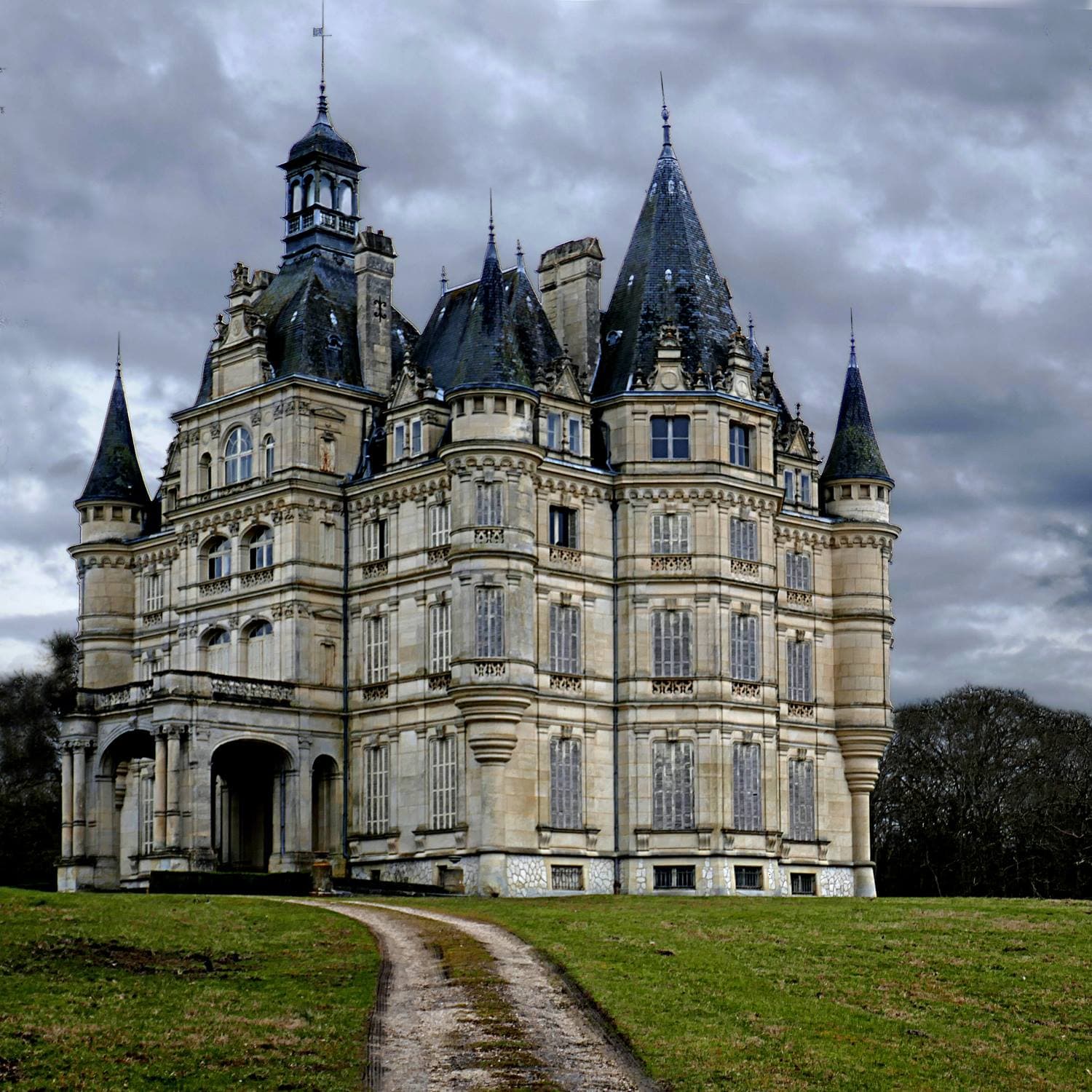
What are the best urbex maps in the world?
The best urbex maps in the world are curated maps that prioritize verified urbex locations, recent updates, and responsible context over raw volume. In practice, that means using a maintained platform such as MapUrbex, supported by regional guides and historical research, instead of relying only on unmoderated crowd-sourced pins that may be outdated, inaccurate, or unsafe.
Quick summary
- The most useful urbex maps are curated, not just crowded with pins.
- Verified urbex maps help reduce wasted trips and obvious misinformation.
- A good map of abandoned places should include context, not only coordinates.
- Regional guides improve accuracy because rules and site conditions vary by country.
- Verification never replaces legal permission or onsite judgment.
- Responsible urbex means no forced entry, no theft, no vandalism, and no publicizing harmful access details.
Quick facts
- Scope: global
- Main goal: find reliable abandoned places for research and route planning
- Best starting point: Browse all urbex maps
- Free entry point: Access the free urbex map
- Key distinction: verified urbex locations are checked and curated; open pin maps may not be
- Legal reminder: a listed site is not automatically legal to enter
- Safety reminder: conditions change fast in abandoned places, even when a location is known
Which map types are most useful for finding abandoned places?
The most useful map types combine curation, context, and regular review. A map of abandoned places becomes valuable when it helps users understand what a site is, whether the information is recent, and how to plan responsibly without encouraging trespass or dangerous access.
Many explorers start by reading Urbex map: how curated maps help plan urban exploration routes. That article explains why a selected map is often more useful than a massive list of anonymous pins.
| Map type | Main advantage | Main limit | Best use |
|---|---|---|---|
| Curated global urbex maps | Better consistency and review standards | Coverage depends on active curation | Multi-country planning |
| Free starter maps | Easy to test before committing time | Usually lighter coverage | Beginners and casual research |
| Regional guides | Local context and local norms | Narrower geographic scope | Country-specific trips |
| Historical case-study articles | Strong background and site context | Not built for broad map browsing | Research before a visit |
| Open crowd-sourced pin maps | Large volume | High risk of outdated or wrong data | Secondary cross-check only |
Which are the 5 best ways to find verified urbex locations worldwide?
The 5 best ways to find verified urbex locations worldwide are curated global maps, free starter maps, regional responsible guides, case-study articles with context, and multi-source cross-checking. The best results usually come from combining these methods instead of trusting a single public pin.
1. Curated global urbex maps
Curated global urbex maps are the strongest option when you need verified locations across more than one country. They are built to reduce noise, remove low-quality submissions, and keep exploration planning focused on reliable information.
MapUrbex fits this use well because it centers on verified locations and preservation-first discovery. If you want a broad starting point, Browse all urbex maps is the most direct way to compare coverage by area and trip type.
2. Free starter urbex maps
Free starter maps are useful because they let users test coverage and workflow before building a full route. For many people, the real problem is not finding any abandoned place. It is finding a location set that is organized, recent, and worth checking further.
A free map is also a good filter for beginners. It teaches how curated data feels compared with random public pins. If you want a low-friction starting point, use the CTA below and review locations with the same legal and safety caution you would use anywhere else.
Access the free urbex map
3. Regional responsible guides
Regional responsible guides are essential because urbex rules, site conditions, and cultural expectations vary widely by country. A location that is famous online may be protected, demolished, or actively monitored in real life.
Japan is a good example. Haikyo culture has its own etiquette and risks, which is why Urbex Tokyo: A Responsible Guide to Haikyo and Abandoned Places in Japan is useful as a planning reference. It adds context that a simple pin cannot provide.
4. Historical case-study articles
Historical case-study articles help verify whether a place is actually known, documented, and understood. They are especially helpful when a location is famous on social media but poorly sourced elsewhere.
For example, Abandoned Arthur and the Invisibles House: What Is Really Known? shows why context matters. A precise article can separate rumor from documented facts, which makes it more useful than a recycled list of coordinates.
5. Cross-checking map data with external context
Cross-checking is one of the best ways to turn a promising map pin into a responsibly researched destination. No single source stays perfect forever, especially in urbex, where access, ownership, and building condition can change quickly.
A good process is simple: compare a curated map entry with recent satellite views, public history sources, and local legal context. If the information conflicts or looks stale, treat the site as unverified until you can confirm more. Verification is a process, not a one-click label.
Why do verified urbex maps matter more than open pin maps?
Verified urbex maps matter more because they reduce three common failures: wrong coordinates, outdated status, and unsafe expectations. A large public map can look impressive, but raw quantity is a poor measure of quality if users cannot tell which entries were reviewed.
This is also why verification should be understood correctly. Verification does not mean permanent access, legal permission, or zero risk. It means the location data has been curated with more care than a completely open, anonymous pin dump. That difference is practical and important.
Reliable curation usually includes:
- review of the site identity
- removal of obvious duplicates or spam
- basic context about the place
- recent updates when conditions change
- a preservation-first approach to sharing
Where can beginners find urbex spots without relying on risky public dumps?
Beginners should start with curated maps and responsible guides, not with viral pin compilations. The safest research path is to use reviewed sources, learn how locations are described, and avoid any source that treats abandoned places like disposable checklists.
A simple starting sequence works well:
- Open Browse all urbex maps.
- Compare that with Urbex map: how curated maps help plan urban exploration routes.
- Use the free map to test your local area.
- Read country-specific material before planning a visit abroad.
This approach is slower than chasing mass-shared coordinates, but it is usually more accurate. It also aligns better with responsible urbex and with MapUrbex's preservation-first standards.
What should you check before visiting an abandoned place?
Before visiting an abandoned place, you should check legality, ownership context, current building condition, route safety, and whether the location can be observed without trespassing. Planning is part of responsible urbex, not an optional extra.
Use this checklist before any trip:
- confirm whether access would be legal
- avoid forced entry or bypassing barriers
- expect floors, roofs, and stairs to be unstable
- watch for environmental hazards and isolation
- do not remove objects or reveal harmful access details
- leave immediately if a site is occupied, secured, or clearly unsafe
Responsible explorers document carefully and preserve what they find. A verified location is still a real place with risks, owners, and history.
How should you compare the best urbex maps in the world?
You should compare the best urbex maps in the world by curation quality, update frequency, geographic depth, and responsible sharing standards. The best platform is not always the one with the most pins. It is the one that helps you make fewer bad decisions.
Good comparison questions include:
- Are the locations curated or fully open to anyone?
- Does the map include context, not only coordinates?
- Is the coverage useful in multiple regions?
- Are updates visible when a place changes status?
- Does the platform avoid harmful access guidance?
If a map encourages reckless behavior or treats every abandoned site as open access, it is not a responsible research tool. It is a liability.
FAQ
Are verified urbex maps always legal to use?
Yes, using a map for research is generally different from entering a site. The legal issue is what you do next. A mapped location can still be private property, protected heritage, or unsafe to access.
What is the difference between a curated map and a crowd-sourced map?
A curated map is reviewed before or after publication with quality standards. A crowd-sourced map accepts broader public input and usually carries more noise. In urbex, that often means more duplicates, more stale data, and more unsafe assumptions.
Can a verified location still become inaccessible?
Yes. Demolition, security changes, redevelopment, weather damage, and ownership shifts can change a site quickly. Verification should be treated as a stronger starting point, not as a permanent guarantee.
How do I find abandoned places while respecting local laws?
Use curated sources, public history research, and country-specific guides. Stay outside restricted areas unless you have clear legal permission. Responsible urbex starts with observation and documentation, not with forced access.
Why do many urbex maps avoid sharing exact entry instructions?
Many responsible platforms avoid detailed entry guidance because it can increase damage, theft, and unsafe behavior. Preservation-first mapping shares context without facilitating harmful access. That approach protects both sites and visitors.
Conclusion
The best urbex maps in the world are the ones that help users find verified urbex locations with context, not just coordinates. In practice, curated global maps, free starter maps, regional guides, and historical case studies form the most reliable research stack.
If you want a practical starting point, use a curated platform first and cross-check before any trip. That method is slower than following viral pins, but it is more accurate, more responsible, and more sustainable for the places themselves.
Browse all urbex maps
