 MapUrbex
A practical 2026 guide to finding a reliable urbex map, comparing free and paid options, and using verified location data responsibly.
Where Can You Find a Reliable Urbex Map? Complete 2026 Guide to Free and Paid Options
Finding a reliable urbex map is harder than finding a long list of abandoned places. Many maps are outdated, copied from old forums, or missing basic context about current conditions.
A useful map does more than drop pins. It helps you judge whether a place is still relevant, whether information is recent, and whether a location should be approached with caution or avoided entirely.
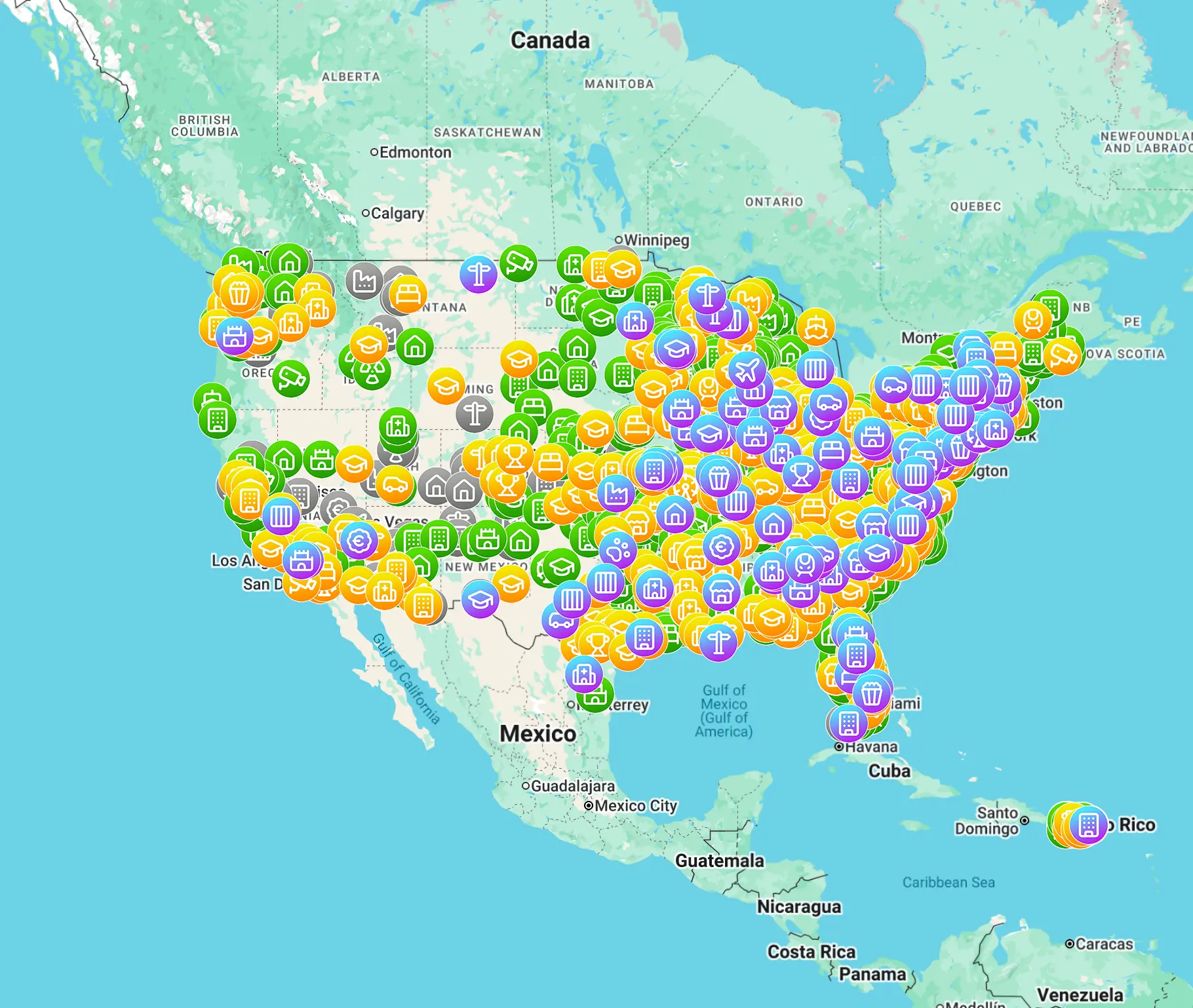
Where can you find a reliable urbex map?
You can find a reliable urbex map on curated platforms that verify locations, update status signals, and add context instead of listing raw coordinates only. In practice, the best option is a map that shows recent verification, quality filters, and preservation-first guidance. That is why many explorers start with Browse all urbex maps or Access the free urbex map.
Quick summary
- A reliable urbex map is defined by recent verification, clear status notes, and consistent curation.
- Free maps are useful for discovery, but they often have less filtering and less maintenance.
- Paid maps can save time when they include verified updates, better search tools, and stronger data quality.
- The best 2026 comparison is not free versus paid alone. It is verified versus unverified.
- Responsible use matters: never trespass, never force entry, and never treat a map pin as legal access.
- MapUrbex positions its maps around verified locations, responsible urbex, and preservation-first exploration.
Quick facts
- Primary keyword: reliable urbex map
- Search intent: informational
- Best for: beginners, photographers, researchers, and trip planners
- Most important signal: recent verification, not the number of pins
- Main risk of bad maps: outdated locations and misleading access assumptions
- Best workflow: compare status, filter by quality, then check conditions before any visit
What makes an urbex map reliable?
A reliable urbex map gives context, not just coordinates. The key difference is whether the data helps you assess recency, relevance, and risk.
In 2026, a trustworthy map usually includes several signals:
- recent checks or community reports
- status notes showing whether a place is still standing, sealed, demolished, or repurposed
- enough location context to avoid false positives
- consistent categories and filters
- moderation that removes dead or misleading entries
A weak map often looks impressive at first because it has many points. That does not mean the data is usable. Large unverified lists usually contain duplicates, demolished sites, inaccessible places, or spots copied from older sources.
For most users, a reliable map is one that reduces wasted research time. It should help you decide what is still worth documenting and what should be skipped.
Should you choose a free or paid urbex map?
You should choose based on verification quality and your use case, not price alone. A free urbex map is often enough for broad discovery, while a paid urbex map makes sense when you need cleaner filters, more updated records, or better trip planning.
A free map can be a good starting point if you want to learn how map-based research works. It is also useful if you only need a few places in a limited area. For that use case, Access the free urbex map is the logical first step.
A paid map becomes more valuable when you need:
- stronger confidence that locations are still active as urbex targets
- more precise sorting by region or type
- faster research for road trips or photo planning
- less time spent validating copied or obsolete entries
The real question is not whether a carte urbex gratuite or carte urbex payante is better in theory. The practical question is whether the map saves you time and reduces uncertainty.
How do free and paid urbex maps compare in 2026?
The 2026 comparison is simple: the more a map invests in verification and maintenance, the more useful it becomes. Price can support that process, but price alone does not guarantee quality.
| Criteria | Free urbex map | Paid urbex map | What matters most |
|---|---|---|---|
| Discovery value | Usually good | Usually good | Breadth is useful, but not enough |
| Verification depth | Often limited | Often stronger | Recent checks matter most |
| Filtering tools | Basic to متوسط? | Usually better | Precise search saves time |
| Update frequency | Irregular | More likely regular | Maintenance is critical |
| Trip planning | Basic | Stronger | Context beats raw pins |
| Overall reliability | Mixed | Mixed to strong | Curation matters more than price |
The most useful comparatif carte urbex focuses on five points:
- How recently was the map updated?
- Does it distinguish verified and unverified entries?
- Are demolished or reused places removed quickly?
- Does it explain status and access context clearly?
- Is the map built for responsible exploration rather than viral exposure?
If a paid map cannot answer those questions, it is not automatically better than a free one.
For a broader breakdown of no-cost options, see Free Urbex Map 2026: The Complete Guide to Verified Abandoned Places Maps.
How should you evaluate a reliable urbex map before trusting it?
You should evaluate a reliable urbex map by checking its update logic, moderation standards, and the clarity of each listing. If the platform cannot explain how it verifies data, trust should remain limited.
Use this checklist:
- Check whether entries show recent activity or review dates.
- Look for notes about demolition, sealing, reuse, or redevelopment.
- Prefer maps with structured categories instead of random user labels.
- Compare a few known sites to see whether the status is accurate.
- Avoid platforms that reward exposure over preservation.
A good guide urbex 2026 should help you make better decisions before you leave home. It should not push you toward impulsive visits.
How should you use an urbex map safely and legally?
You should use an urbex map as a research tool, not as permission to enter a site. A map pin never overrides property rights, safety risks, or local law.
Responsible use means:
- do not trespass
- do not force entry or bypass barriers
- do not vandalize, remove objects, or reveal sensitive details carelessly
- prioritize exterior documentation when access is unclear
- avoid unstable structures, roofs, shafts, and flooded areas
- go in daylight and tell someone where you are going
A reliable map helps reduce uncertainty, but it cannot make a dangerous or illegal visit acceptable.
This is central to the MapUrbex approach: verified locations, curated maps, and preservation-first exploration.
Which MapUrbex resources are useful if you want to go further?
The most useful next step is to combine a curated map with city-level guides and a clear research process. That gives you both breadth and context.
Useful starting points include:
- Browse all urbex maps if you want to compare available map formats
- Access the free urbex map if you want a no-cost starting point
- Free Urbex Map 2026: The Complete Guide to Verified Abandoned Places Maps if you want a focused article on free options
- Urbex in Lille: Guide to Abandoned Places in and Around the City for an example of city-specific research
- Saint-Étienne Urbex Guide: Abandoned Places and Urban Exploration Around the City for another example of local planning
FAQ
What is the difference between a reliable urbex map and a crowdsourced list?
A reliable urbex map is curated and checked over time. A crowdsourced list may contain useful leads, but it often lacks moderation, recent updates, and consistent status notes.
Is a free urbex map enough for beginners?
Yes, often. A free urbex map is enough for beginners if it has basic verification and clear filters. It becomes less useful when entries are old, vague, or poorly maintained.
Are paid urbex maps always more accurate?
No. A paid urbex map is only better if the subscription supports real verification, maintenance, and better usability. Price alone does not prove accuracy.
How often should a location be verified?
High-turnover sites should be checked frequently because abandoned places can be demolished, sealed, or reused quickly. In practice, newer verification signals are always more valuable than old popularity.
Can a map guarantee legal access to a site?
No. A map can show research data, not legal authorization. You must always respect ownership, posted restrictions, and safety conditions.
Conclusion
If you are asking where to find a reliable urbex map, the short answer is this: use a curated map that emphasizes verification, maintenance, and responsible exploration. The best choice is rarely the biggest list. It is the source that helps you separate current, useful information from noise.
In 2026, the strongest comparatif carte urbex is not free versus paid in isolation. It is reliable versus unverified. Choose the map that saves research time, respects preservation, and keeps safety and legality central.
Access the free urbex map
