 MapUrbex
A practical guide to urbex in Nancy and Metz, with the main types of abandoned places in Lorraine, planning advice, and why verified maps matter.
Urbex in Nancy and Metz: Abandoned Places in Lorraine
Urbex in Nancy and Metz is often searched for with one clear goal: find real abandoned places in Lorraine without wasting time on outdated lists or fake coordinates. That goal is reasonable, but the region is broader and more varied than many beginners expect.
The most useful approach is regional, not purely urban. Nancy and Metz are good starting points, yet many of the most interesting abandoned places in Lorraine sit outside city centers, in former industrial belts, rail corridors, medical sites, and rural institutions.
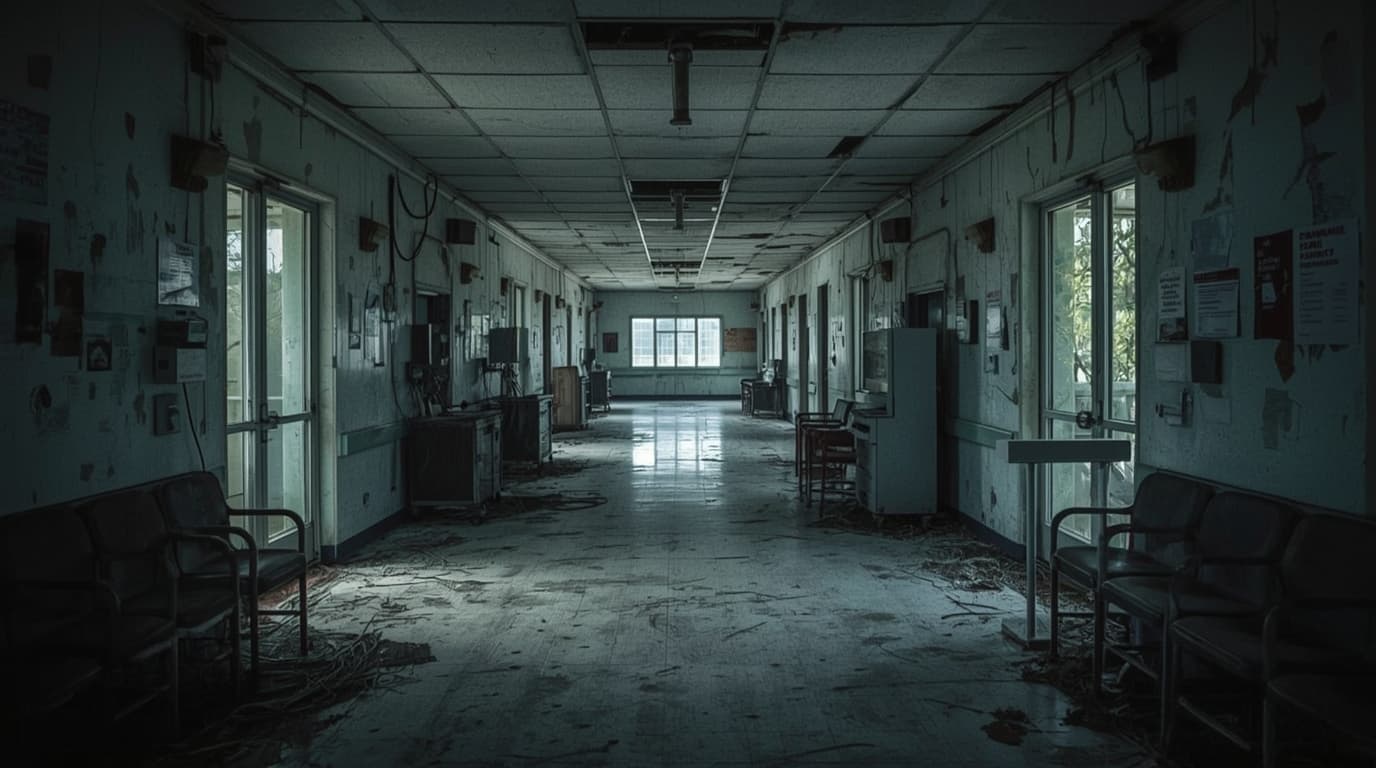
Where can you do urbex in Nancy and Metz?
You can do urbex in Nancy and Metz mainly by using them as gateways to the wider Lorraine region. The best opportunities are usually not in the busiest city-center streets, but on the edges of urban areas and in nearby towns where former industrial, rail, military, and institutional sites are more common. A verified map is usually more reliable than public coordinate dumps.
Quick summary
- Nancy and Metz are strong bases for exploring abandoned places across Lorraine, not just inside the cities.
- The region is known for industrial, rail, medical, military, and rural institutional sites.
- Public lists are often outdated; a verified map saves time and reduces bad leads.
- Responsible urbex means no forced entry, no trespassing, and no publishing sensitive access details.
- MapUrbex is built for preservation-first exploration with curated and verified location data.
Quick facts
- Region: Lorraine, northeastern France
- Main search pattern: regional day trips from Nancy or Metz
- Common site categories: factories, depots, hospitals, barracks, schools, farms
- Best planning method: verify access context before travel
- Risk level: highly variable depending on structure, ownership, and exposure
- Core rule: never force access or enter illegally
What types of abandoned places are most common in Lorraine?
The most common abandoned places in Lorraine are usually linked to the region's industrial and institutional past. In practice, that means former factories, depots, workshops, rail structures, hospitals, barracks, schools, and rural properties appear more often than glamorous one-off ruins.
Common categories include:
- Industrial sites: former factories, warehouses, foundries, storage yards
- Rail-related sites: depots, sidings, maintenance buildings, service structures
- Medical sites: hospitals, sanatorium-style buildings, care institutions
- Military legacy sites: barracks, support buildings, training infrastructure
- Rural abandonment: farms, manor outbuildings, schools, small institutional complexes
This matters because search intent should match site reality. If you search only for dramatic mansion-style ruins, you may miss the kinds of abandoned places Lorraine actually offers most often.
Why are Nancy and Metz good bases for urbex in Lorraine?
Nancy and Metz are useful because they give fast access to different parts of Lorraine without forcing you to rely on a single city. For most explorers, the advantage is logistical: transport links, services, and shorter travel time to multiple search zones.
Nancy tends to work well for southern and central Lorraine planning. Metz is often practical for northern routes and mixed industrial-military searches. In both cases, the city itself is only part of the equation. The wider radius is where the real variety usually appears.
That is why many explorers start with a regional planning tool rather than a city-only list. If you want a broader view, Browse all urbex maps is the best entry point.
How should you search for abandoned places in Nancy, Metz, and Lorraine?
The best way to search is to combine a verified map, route logic, legality checks, and realistic expectations about closures. Searching only through viral social posts usually produces poor results because places may already be sealed, demolished, or overexposed.
A practical process looks like this:
- Start with a curated map rather than random reposted coordinates.
- Build a route from Nancy or Metz around several candidate sites.
- Check whether the place is still standing and whether access is legal.
- Avoid exposed locations that are known for vandalism or unsafe conditions.
- Keep backup options in the same sector.
For first-time planning, Access the free urbex map is a useful starting point. If you want the broader method behind that process, read How to Find Abandoned Places Near You and How to Start Urbex: The Complete Beginner's Guide.
How do you assess whether an abandoned place is worth the trip?
A place is worth the trip when the travel time, legal context, structural condition, and photographic value are balanced. The key is not just whether a site exists, but whether it is still accessible in a lawful and responsible way.
| Criterion | Why it matters | What to check |
|---|---|---|
| Recent verification | Old spots disappear fast | Latest status update, current imagery, closure signs |
| Site type | Helps match expectations | Industrial, rail, medical, military, rural |
| Legal context | Prevents bad decisions | Ownership, fencing, restricted status, local rules |
| Safety condition | Reduces physical risk | Floors, roofs, water damage, exposure, contamination |
| Travel efficiency | Improves trip quality | Clustered locations, parking, route timing |
| Exposure level | Supports preservation | Public saturation, vandalism history, online over-sharing |
MapUrbex focuses on verified locations because verification is what turns a random idea into a workable trip plan.
What legal and safety rules matter most for urbex in Lorraine?
The most important rule is simple: do not enter illegally and do not force access. Urbex is not a justification for trespassing, breaking locks, bypassing barriers, or ignoring obvious restrictions.
A responsible checklist includes:
- Respect private property and posted warnings
- Never damage, move, or take objects
- Do not reveal sensitive access points publicly
- Avoid solo entry in unstable structures
- Leave immediately if the site is active, monitored, or occupied
- Treat medical and military sites as especially sensitive
Preservation-first exploration protects both the place and the people who may discover it later.
Which parts of Lorraine usually offer the widest variety of abandoned places?
The widest variety usually appears in the broader urban-industrial belt, old transport corridors, and rural institutional zones across Lorraine. In simple terms, mixed-use territory produces more varied leads than dense city centers alone.
In practice, explorers often prioritize:
- Former industrial sectors with factories, depots, and worker infrastructure
- Rail-adjacent areas where secondary buildings survive longer than major hubs
- Rural outskirts with schools, farms, care facilities, and small compounds
- Legacy military landscapes where support structures may remain
This is another reason the phrase "urbex Nancy and Metz" often leads to a Lorraine-wide search pattern rather than a purely local one.
FAQ
Is urbex in Nancy and Metz mostly an urban activity?
No. Many useful leads are regional rather than central-urban. Nancy and Metz usually function as starting hubs for wider trips across Lorraine.
Are abandoned hospitals common in Lorraine?
Medical sites do exist, but they are often sensitive, highly exposed, or unsafe. They should never be treated as easy beginner targets.
Can beginners start with Lorraine?
Yes, if they plan conservatively. A verified map, short travel radius, daylight timing, and strict respect for legality make Lorraine manageable for a first structured trip.
Should coordinates be shared publicly?
In most cases, no. Public sharing increases vandalism, theft, and rapid closure. Curated access and verification are better for preservation.
What is the safest first step before any trip?
Start with route planning, recent verification, and legal screening. Free Urbex Map 2026: The Complete Guide to Verified Abandoned Places Maps explains why verification matters.
Conclusion
Urbex in Nancy and Metz makes the most sense when you think in regional terms. Lorraine offers genuine variety, but good results depend on verification, planning, and a preservation-first mindset.
If you want better leads and fewer wasted trips, use curated information instead of public guesswork.
Access the free urbex map
