 MapUrbex
Explore urbex Grenoble with a responsible guide to abandoned sanatoriums, forgotten Alpine buildings, legal limits, and verified MapUrbex planning.
Urbex Grenoble: Guide to Abandoned Sanatoriums and Forgotten Alpine Buildings
Grenoble is one of the most distinctive bases for urban exploration in the French Alps. The area is known less for downtown ruins and more for former medical estates, mountain institutions, and scattered heritage buildings shaped by Alpine history.
That is why urbex Grenoble often leads people toward abandoned sanatoriums, forgotten public buildings, and other abandoned buildings in the Alps. Many of the most talked-about places sit outside the city center, in the wider Isère landscape.
MapUrbex treats this area with a preservation-first approach: verified locations when possible, updated context, and no encouragement of trespassing, forced access, or site damage.
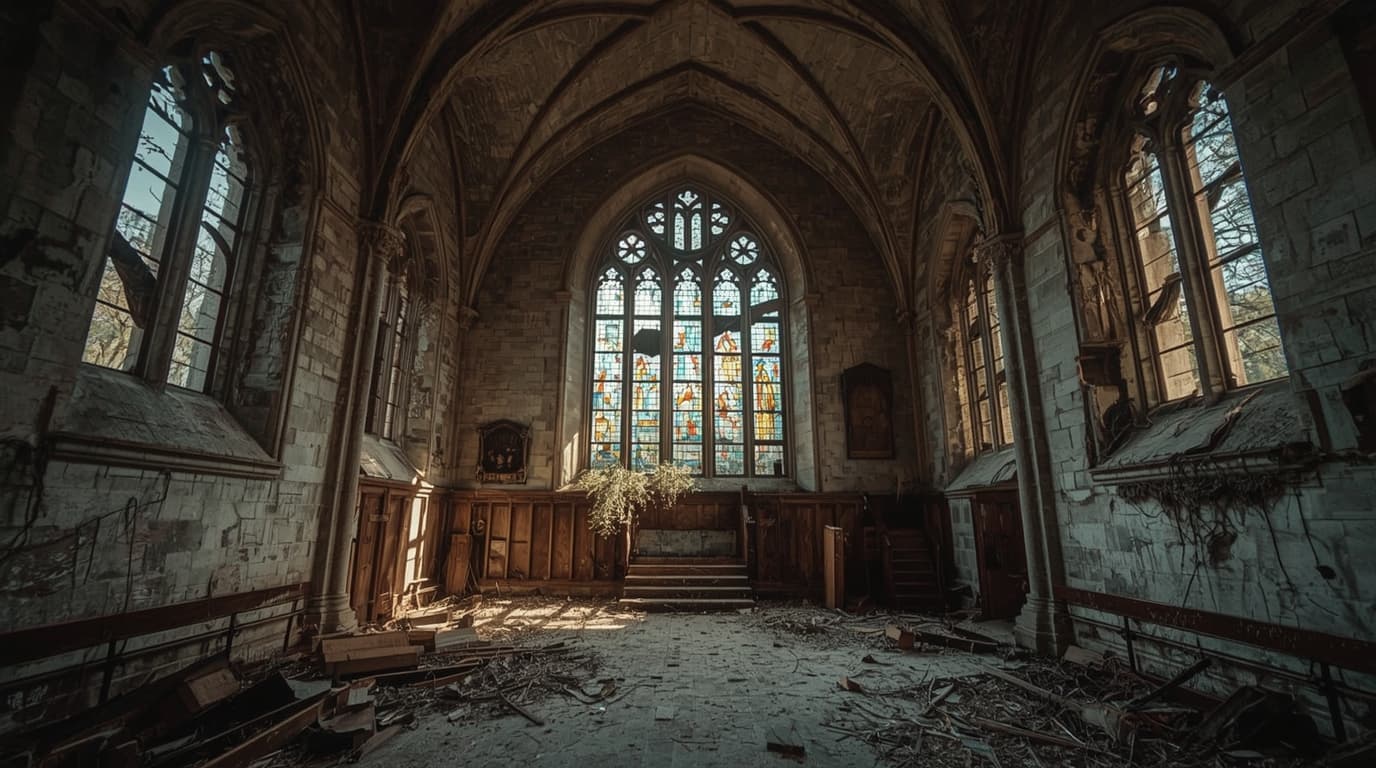
Where can you find the most interesting urbex around Grenoble?
The most interesting urbex around Grenoble is usually found in the wider mountain belt rather than in the city center. Former sanatoriums above the city, disused institutional buildings in Isère, and a few forgotten Alpine religious or service sites define the local scene. The best method is to use verified information, check legal status, and avoid sharing fragile places publicly.
Quick summary
- Grenoble urbex is best known for abandoned sanatoriums and Alpine institutional buildings.
- Many notable places are outside central Grenoble, often on slopes or in nearby Isère.
- Visible abandonment does not mean legal access.
- Main risks include structural instability, asbestos, weather exposure, and isolation.
- Verified context matters more here than rumor-based coordinates.
- MapUrbex is useful for comparing responsible options without promoting harmful exposure.
Quick facts
- Primary area: Grenoble and the wider Isère mountain zone
- Most searched theme: abandoned sanatoriums near Grenoble
- Typical site setting: hillside estates, forests, former medical campuses, and disused public buildings
- Best use case: planning a photography trip, checking context, and filtering verified places
- Main legal point: no trespassing, no forced entry, no assumption that an empty building is open
Why is Grenoble so closely linked to abandoned sanatoriums?
Grenoble is closely linked to abandoned sanatoriums because the Alpine region historically hosted large medical facilities for long-stay care and respiratory treatment. As medical systems changed, some of these complexes were repurposed, partly vacated, or abandoned.
These sites stand out for their architecture. Long facades, terraces, galleries, stairwells, and panoramic views make them visually striking. They also represent a specific chapter of public-health and mountain history, which is why they remain important in discussions about urbex Grenoble.
However, abandoned sanatoriums are also among the most sensitive sites. They may contain unstable floors, demolition zones, water damage, asbestos, broken glass, or active surveillance. Some are privately owned. Others are partly reused. In practice, this means a location can look abandoned while still being legally restricted.
Which kinds of abandoned buildings can you expect around Grenoble and in Isère?
Around Grenoble, explorers usually search for former medical buildings, disused institutions, small industrial structures, and occasional religious or service buildings tied to mountain life. Exact availability changes often, so the building category matters more than any single rumor.
| Site type | What makes it interesting | Common risks | Typical status |
|---|---|---|---|
| Former sanatorium | Medical heritage, large scale, Alpine views | Asbestos, structural decay, surveillance | Often restricted or partly reused |
| Public institution or residence | Corridors, layered interiors, archives | Glass, unstable floors, nearby residents | Mixed ownership and mixed legality |
| Small industrial building | Workshops, textures, machinery rooms | Collapse, contamination, metal theft damage | Often heavily degraded |
| Religious or community building | Silence, iconography, rural atmosphere | Fragile interiors, falling debris | Sometimes sealed, sometimes under restoration |
| Mountain service structure | Remote character, weathered materials | Weather, cliffs, isolation | Access may be difficult or unsafe |
If your interest is visual exploration rather than location collecting, Grenoble offers unusual variety. Former medical terraces, forest-edge chapels, forgotten support buildings, and broad valley light all create strong photographic conditions. At the same time, the Alpine environment increases risk, especially in remote or elevated sites.
Is urbex in Grenoble legal, and what should you avoid?
No, urbex in Grenoble is not automatically legal just because a site appears abandoned. In France, property rights, local restrictions, and safety obligations still apply even when a building is empty or neglected.
The practical rule is simple: do not trespass, do not force doors or fences, do not enter closed sites without authorization, and do not damage or remove anything. Responsible urbex starts with status checking, not with improvisation on arrival.
Grenoble also adds mountain-specific hazards. Weather changes fast. Slopes become slippery. Fog, snow, or ice can turn a minor approach into the main danger of the day. In former medical buildings, long-term humidity and hazardous materials are common concerns.
Safety reminder: if access is unclear, treat the site as off-limits. Preservation-first exploration protects both people and places.
For broader safety context, see Top 5 Most Dangerous Urbex Places and Why You Should Avoid Them.
How should you plan a responsible urbex Grenoble outing?
A responsible Grenoble urbex outing starts with filtering sites by legal status, current condition, and travel logistics. The best plan is the one you can cancel immediately if the situation on site is unclear.
Use this checklist:
- Prefer verified listings over social media rumors.
- Check whether a building is active, reused, fenced, or demolished.
- Plan around daylight, weather, and legal parking.
- Tell someone where you are going.
- Avoid isolated terrain if you lack local experience.
- Never publish entry methods or vulnerable details.
If you want to improve your research method, read How to Find Secret Urbex Spots Responsibly. If you are deciding whether to go alone or with others, compare the tradeoffs in Solo Urbex or Group Urbex: Pros and Cons for Safer Exploration.
Why use MapUrbex for abandoned places around Grenoble?
MapUrbex is especially useful around Grenoble because local information ages quickly. A rumor about an abandoned sanatorium near Grenoble can be outdated, incomplete, or legally misleading within weeks.
A curated map helps you compare areas, understand site context, and prioritize verified locations instead of chasing random coordinates. That matters if you are looking for abandoned buildings in the Alps or broader urbex locations in Isère with a preservation-first mindset.
For a broader overview, Browse all urbex maps.
When is the best time to explore abandoned buildings near Grenoble?
The best planning window is usually late spring to early autumn, when access roads, light, and weather are more predictable. Winter can be visually dramatic, but it raises risk sharply.
Photographers often prefer overcast mornings for sanatorium exteriors and forested sites. Researchers may prefer weekday scouting for quieter surroundings. In every season, legal access and weather conditions matter more than the calendar alone.
FAQ
Is there a well-known abandoned sanatorium near Grenoble?
Yes, Grenoble is widely associated with former sanatorium sites in the surrounding mountain area. But public visibility does not make access legal or safe, and exact entry details should not be circulated casually.
Are the best urbex places inside Grenoble itself?
Usually not. Many of the most distinctive places linked to urbex Grenoble are in the hills, on former medical estates, or elsewhere in Isère rather than in dense central districts.
Can beginners explore abandoned Alpine buildings safely?
Beginners should be careful. Alpine sites add terrain, weather, and isolation risks to normal urbex hazards. Start with legal, low-risk places and avoid remote or structurally unstable buildings.
Why are exact coordinates sometimes withheld?
Exact coordinates are often withheld to reduce vandalism, theft, copycat trespassing, and damage to fragile heritage. Responsible mapping favors verification and preservation over viral exposure.
Conclusion
Grenoble is one of the strongest urbex gateways in the French Alps because of its sanatorium history and its mix of forgotten institutional and mountain buildings. But it is not a casual destination. The most useful approach is careful planning, legal awareness, and respect for site preservation.
If you want a responsible starting point, use verified context instead of rumors and choose tools designed for preservation-first exploration.
Access the free urbex map
