 MapUrbex
Compare a free vs paid urbex map clearly: features, verification, updates, and who each option fits best, with instant access options from MapUrbex.
Free vs Paid Urbex Map: Comparison and Instant Access
Choosing between a free and paid urbex map is mostly a question of depth, reliability, and speed. Both options can be useful, but they serve different needs.
A free urbex map is usually the easiest starting point. It lets you test the concept, explore regions, and see whether a curated abandoned places map matches your way of planning trips.
A paid urbex map becomes relevant when you want more verified locations, stronger filtering, and immediate access to a denser database. MapUrbex positions this as a preservation-first tool, not an invitation to trespass or take risks.
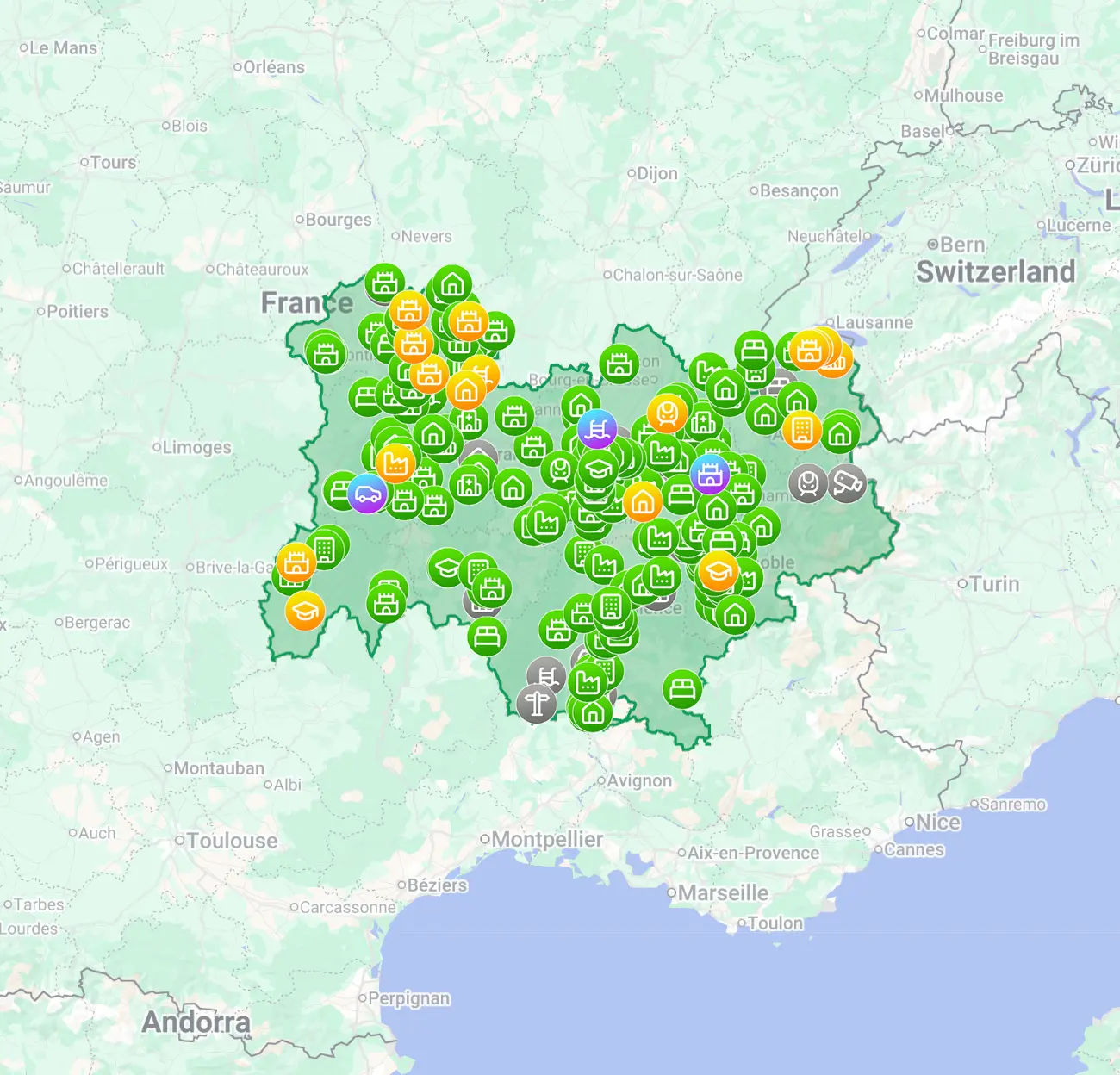
Is a free or paid urbex map better?
A free urbex map is usually better for discovery, casual browsing, and testing the platform at no cost. A paid urbex map is usually better for serious trip planning because it offers more verified locations, better filters, and faster updates. The best option depends on how often you travel, how much detail you need, and whether immediate access to a curated database matters to you.
If you want to compare both paths in practice, start with Access the free urbex map, then review Browse all urbex maps for broader options.
Quick summary
- A free urbex map is best for testing, browsing, and occasional use.
- A paid urbex map is best for deeper research, denser coverage, and faster planning.
- The main differences are verification, update frequency, filters, and curation quality.
- Immediate access matters if you are planning a trip soon and want usable data right away.
- No map makes entry legal; you must always respect property law, safety limits, and site preservation.
- MapUrbex focuses on verified locations, responsible urbex, and preservation-first map curation.
Quick facts
- Best for beginners: free urbex map
- Best for frequent explorers: paid urbex map
- Main value of paid access: verification, density, and time saved
- Main limitation of free access: fewer details and less consistent updates
- Delivery model: digital access with immediate availability after checkout when applicable
- Safety reminder: always verify local legality and never force access
What does a free urbex map usually include?
A free urbex map usually includes a limited but useful selection of abandoned places, enough to understand the platform and evaluate whether the data quality fits your expectations. It is a practical entry point, not always the most complete planning tool.
In most cases, a free map helps you:
- discover the interface
- browse a region before committing
- estimate map density
- test whether the location style matches your interests
The trade-off is simple. Free maps often provide fewer verified points, fewer advanced filters, and lighter editorial detail. That does not make them useless. It means they are better for orientation than for high-confidence planning.
For a larger market overview, see Best Urbex Maps in 2026: Compare All Options.
What does a paid urbex map add?
A paid urbex map adds depth. The main advantages are usually more verified locations, better filtering, more regular updates, and a more curated experience for users who want immediate results.
This matters because the hidden cost of a weak map is time. If you spend hours checking outdated pins, duplicate places, or vague notes, the savings of a free map can disappear quickly.
A strong paid urbex map often adds:
- more reliable location verification
- broader regional coverage
- better category or area filters
- a cleaner workflow for trip preparation
- faster access to a larger map after purchase
That is the real value of the free vs paid urbex map comparison. You are not only paying for access. You are paying for reduced search friction.
How does the free vs paid urbex map comparison look side by side?
The clearest way to compare a free and paid urbex map is to look at the practical differences in use, not just the price.
| Criterion | Free urbex map | Paid urbex map |
|---|---|---|
| Cost | No upfront cost | Paid upfront |
| Best use case | Testing and casual browsing | Serious planning and repeat use |
| Location volume | Usually limited | Usually larger |
| Verification level | Often lighter | Usually stronger |
| Update frequency | More variable | More consistent |
| Filters and sorting | Basic | More advanced |
| Time saved | Moderate | Higher |
| Immediate access value | Good for trial | Strong for ready-to-use planning |
If you want a more focused breakdown, read Free vs Paid Urbex Map: Which Abandoned Places Map Is Worth It?.
When is a free urbex map enough?
A free urbex map is enough when your goal is to explore the platform, check regional coverage, and make a low-risk first evaluation. It works well for beginners and occasional users.
You may not need paid access if:
- you are still learning how urbex maps work
- you only browse from time to time
- you want to compare map styles before buying
- you are not planning immediate travel
This is why a free map remains useful even when paid options exist. It lowers the entry barrier and lets users judge the product on actual data, not promises.
When is a paid urbex map worth it?
A paid urbex map is worth it when better verification and faster planning save you more time than the purchase costs. That is especially true for users who travel often, cover large areas, or need a denser database immediately.
A paid option is usually the better choice if:
- you actively plan road trips or regional tours
- you want more verified locations
- you need a curated map now, not later
- you prefer strong filters over manual research
- you value time more than the price difference
For transactional intent, this is the key question: will a paid map shorten your research process enough to justify the purchase? For many regular users, the answer is yes.
Does a paid map make urbex legal or safe?
No. A paid urbex map does not make access legal, and it does not remove physical risk. It only improves the quality and usability of location data.
This point matters. Some users confuse better information with permission. They are not the same.
Always remember:
- private property remains private property
- local laws and access rules still apply
- conditions can change after a place is mapped
- no one should force entry, break locks, or ignore hazards
- preservation comes before content collection
Responsible urbex means verifying legality, respecting sites, and walking away when access is not lawful or safe.
How can you choose the right map for your use case?
The right map depends on your frequency, budget, and research style. Start free if you want to evaluate the platform. Choose paid if you already know that verification, density, and immediate access matter for your trips.
A practical decision framework is simple:
- Start with your travel frequency. Occasional use points toward free. Frequent use points toward paid.
- Estimate your research tolerance. If you dislike checking weak or outdated leads, paid is often better.
- Measure urgency. If you need usable data now, immediate access has real value.
- Prioritize quality over quantity. A curated database is often more useful than a long but inconsistent list.
MapUrbex is strongest when used as a research support tool: verified locations, curated maps, and a preservation-first approach.
FAQ
Is there really instant access after purchase?
Yes, immediate access usually means digital availability right after checkout. The exact scope depends on the map or product tier.
Can beginners start with a free urbex map?
Yes. A free urbex map is often the best entry point for beginners because it allows testing without commitment.
Are paid urbex maps updated more often?
In most cases, yes. Paid maps usually justify their price with stronger curation and more consistent updates, although update cycles can vary.
Can I use an urbex map offline?
That depends on the platform and product format. Always check whether the map itself, export options, or your device setup supports offline consultation.
What should I verify before visiting a place?
You should verify legality, ownership status, visible hazards, access restrictions, and local conditions. If entry is not lawful or conditions look unsafe, do not proceed.
Conclusion
The free vs paid urbex map decision is not mainly about price. It is about how much verification, density, and time savings you need.
If you want to test the idea, a free urbex map is the logical first step. If you want faster planning and a more curated experience, a paid urbex map is often the better tool.
For a no-cost starting point, use the MapUrbex free map first and upgrade only if your usage justifies it.
Access the free urbex map
