 MapUrbex
A practical guide to urbex in Rennes: where abandoned places are usually found, how to plan a safe visit, and how to explore responsibly with verified maps.
Urbex Rennes: Guide to Abandoned Places and Safety Checklist
Urbex Rennes usually means searching beyond the postcard center of the city. The most interesting abandoned places are often found on the peri-urban edge, in former service areas, old farm properties, small industrial sites, and neglected buildings in nearby communes.
This guide is designed for informational use. It does not provide trespassing instructions or forced-access tips. In Rennes, as elsewhere in France, many abandoned buildings are private property, structurally unstable, or already under surveillance.
MapUrbex takes a preservation-first approach: verified locations, responsible exploration, and curated maps instead of random coordinates.
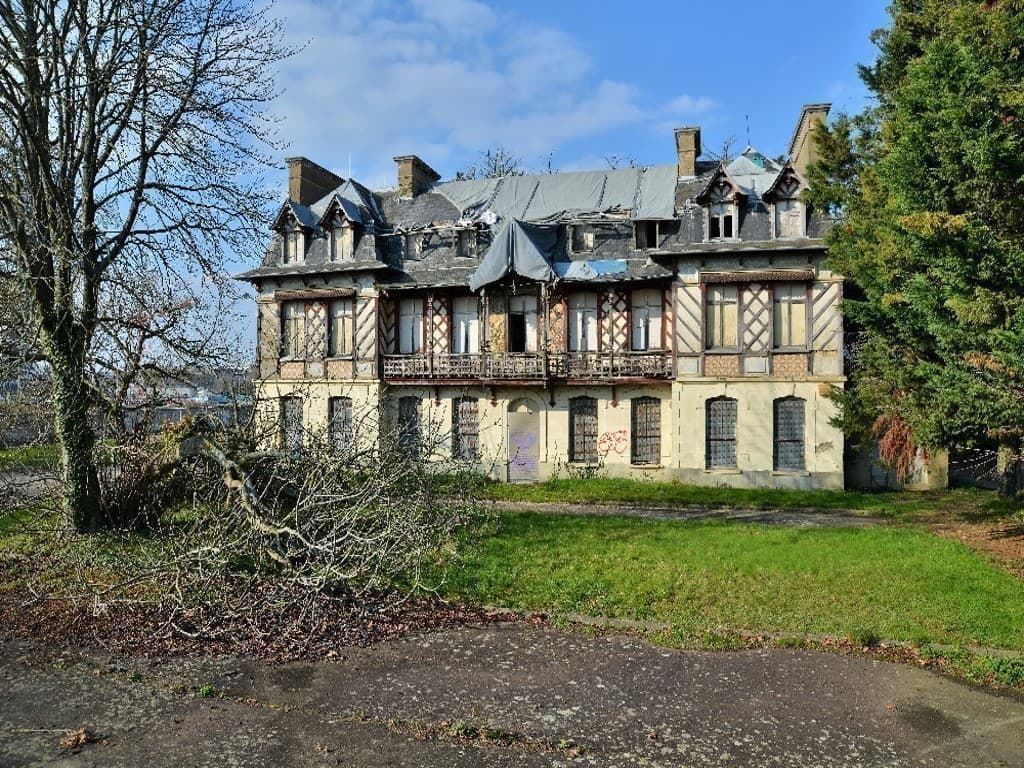
Where can you do urbex in Rennes?
You can find urbex opportunities in and around Rennes mainly in outer districts and nearby rural communes, where former farms, workshops, depots, manor houses, and utility buildings are more common than in the historic center. Exact access and legal status change quickly, so the safest approach is to rely on verified information, check ownership signs, and avoid any site that requires trespassing or forced entry.
Quick summary
- Rennes urbex is usually stronger on the outskirts than in the city center.
- Common site types include farms, light industry, depots, service buildings, and old residences.
- Site status changes fast because of demolition, renovation, and ownership turnover.
- A basic urbex safety checklist matters as much as location research.
- Never force entry, bypass barriers, or treat abandoned as public.
- Verified maps are more reliable than recycled spot lists on social media.
Quick facts
| Topic | Key point |
|---|---|
| City profile | Rennes combines a dense historic core with rail infrastructure, industrial edges, and a rural belt nearby. |
| Typical abandoned places | Farms, warehouses, workshops, small manors, depots, and utility buildings. |
| Best planning method | Daylight scouting, route planning, and verified location data. |
| Legal baseline | Many sites are private property; no trespassing, no forced entry, no damage. |
| Main safety risks | Rotten floors, hidden drops, broken glass, asbestos, moisture, and isolation. |
| Best fit for beginners | Low-risk exteriors, legal viewpoints, and simple photo walks rather than deep entry. |
What types of abandoned places are found in and around Rennes?
Around Rennes, abandoned places are usually modest rather than monumental. The regional landscape produces more farms, workshops, storage yards, service buildings, and partially disused residential properties than huge factory ruins.
That matters for planning. People searching for spectacular industrial urbex Rennes content often expect giant complexes, but the local reality is usually smaller, more dispersed, and more dependent on nearby communes than on the city center itself.
The most common categories include:
- former agricultural buildings on the outskirts
- closed workshops and small industrial units
- disused storage buildings and depots
- neglected manor houses or country residences
- utility or municipal structures with restricted access
- rail-adjacent buildings that must be treated with extreme caution
Many of these sites look accessible online but are not suitable for entry. A building can be abandoned visually while still being occupied in part, monitored, or scheduled for redevelopment.
How do you prepare a safe urbex outing in Rennes?
A safe urbex outing in Rennes starts before you leave home: verify the area, plan your route, tell someone where you are going, and define a clear no-entry threshold if conditions look wrong.
Preparation is more important than improvisation. Rennes has changing weather, wet surfaces, and many semi-rural zones where help may not be immediately nearby. A short visit with good planning is safer than a long visit built around guesswork.
Use this simple process:
- Check whether the place is still standing and whether recent reports exist.
- Review satellite view and street context, not for entry points, but for hazards, neighboring activity, and distance from roads.
- Plan a daytime visit.
- Wear sturdy boots and practical clothing.
- Share your plan with a trusted contact.
- Leave immediately if you see active works, security patrols, unstable floors, or obvious private occupation.
If you are new to the hobby, start with general safety principles in How to Start Urbex: A Beginner's Guide to Urban Exploration.
What should be on an urbex safety checklist?
A useful urbex safety checklist is short, practical, and easy to follow. It should reduce avoidable risk, not create false confidence.
Here is a solid baseline for exploration urbaine Rennes style outings:
- charged phone
- offline map or saved route
- flashlight or headlamp
- sturdy boots with grip
- gloves
- water
- basic first-aid supplies
- weather layer
- dust mask if you may encounter debris or particles
- emergency contact informed of your timing
Also include a behavior checklist:
- go in daylight when possible
- never explore alone if the site is remote
- do not climb unstable roofs or upper floors
- avoid basements and confined spaces
- do not move objects to create access
- leave if the site feels active, unsafe, or unclear
The point of a checklist is consistency. Most accidents in abandoned places come from rushed decisions, poor footwear, darkness, or overconfidence.
What legal rules matter in Rennes and France?
The key legal point is simple: abandoned does not mean free to enter. In Rennes and across France, many deserted buildings remain private property, and access without permission can create legal risk.
Responsible urbex means respecting property, barriers, locks, and warning signs. It also means not publishing sensitive details that could accelerate vandalism, theft, or dangerous copycat visits.
Keep these rules in mind:
- no forced entry
- no trespassing
- no vandalism, graffiti, or souvenir taking
- no interference with active rail or utility infrastructure
- no entry into sites marked dangerous or prohibited
- leave immediately if asked by an owner, worker, or security staff
From a safety perspective, rail-adjacent locations are especially important. Tracks, depots, and service corridors can look inactive when they are not.
Why use verified maps instead of random spot lists?
Verified maps are useful because abandoned places change constantly. A popular social media list may be outdated, demolished, sealed, occupied, or far more dangerous than it appears.
MapUrbex focuses on curated maps and preservation-first research. That helps reduce wasted trips and lowers the chance of turning up at a site that is no longer appropriate for exploration.
If you want a wider overview, Browse all urbex maps. For a related local article, see Urbex in Rennes: guide to abandoned places in and around the city.
How can beginners explore responsibly in Rennes?
Beginners should focus on observation, photography, and low-risk decision-making rather than on collecting the maximum number of spots urbex Rennes visitors talk about online.
A responsible first step is often a legal exterior visit, a daylight scouting walk, or a heritage-focused photo session from public space. This approach teaches you to read condition, visibility, and access signals without crossing legal or safety lines.
Good beginner habits include:
- prioritizing verified information over rumors
- choosing easy terrain and short sessions
- avoiding isolated night visits
- going with a calm, experienced partner when possible
- leaving no trace
- never sharing exact coordinates publicly if that would endanger the place
Responsible urbex protects both people and locations. That is the standard MapUrbex promotes.
FAQ
Is urbex legal in Rennes?
Urbex itself is not a special legal category, but access conditions matter. Many abandoned places in Rennes are private property or restricted areas, so entering without permission can be illegal.
What are the most common risks in abandoned places around Rennes?
The most common risks are unstable floors, hidden drops, broken glass, roof weakness, moisture, debris, and inhalation hazards such as dust or asbestos.
Can I explore alone?
Exploring alone is not recommended, especially in remote or unstable sites. If you still choose a low-risk exterior visit, at minimum share your plan and timing with someone you trust.
What time of day is safest for urbex?
Daylight is usually safest because you can judge surfaces, exits, and neighboring activity more clearly. Night visits increase navigation errors and injury risk.
Should I share exact coordinates publicly?
In most cases, no. Public coordinate sharing often leads to damage, theft, unsafe traffic, and rapid closure of fragile places.
Conclusion
Urbex Rennes is less about chasing dramatic myths and more about careful local research, realistic expectations, and disciplined safety habits. The best results usually come from verified information, respect for property, and a preservation-first mindset.
If you want to plan smarter, start with a curated map instead of random coordinates.
Access the free urbex map
