 MapUrbex
A practical Lille urbex guide: 12 place types worth researching, 5 spot categories to avoid, safety reminders, and smarter ways to verify abandoned places in and around Lille.
Urbex Lille: 12 Places to Visit and 5 to Avoid Absolutely
Lille is one of the most useful bases for urbex in northern France, but the city center is not where most strong locations are found. The better options usually sit in the wider metropolitan belt, especially around former industrial and institutional areas.
That matters because many famous Lille spots are already sealed, redeveloped, occupied, or structurally unsafe. A good guide should help you separate worthwhile research from places that should be ruled out immediately.
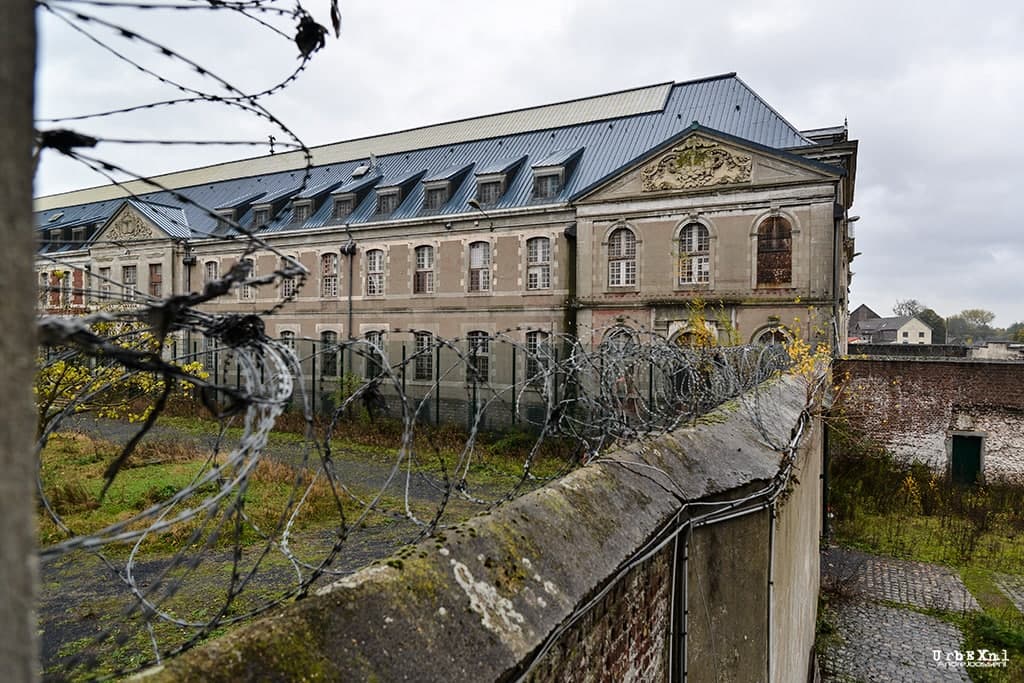
What are the best urbex places in Lille?
The best urbex places in Lille are usually former mills, empty warehouses, disused public buildings, and rural abandoned properties around the wider Lille-Roubaix-Tourcoing area. Inside central Lille, options are fewer and change fast. The safest approach is to prioritize recently verified sites with legal access conditions and clear structural stability.
Quick summary
- Lille urbex is usually better on the metropolitan edge than in the hypercenter.
- Former textile, warehouse, and institutional sites are the most common categories.
- The best urbex Nord searches often extend beyond Lille proper into nearby industrial communes.
- Rail property, fire-damaged shells, and occupied sites are the clearest places to avoid.
- Verification matters because redevelopment and security conditions change quickly.
- Responsible urbex means no trespassing, no forced entry, and no damage.
Quick facts
- Primary search area: Lille metropolitan area, not only the city center
- Most common site types: textile mills, warehouses, schools, offices, farms
- Main risks: collapse, contamination, security patrols, active infrastructure
- Best use of a map: status checking, filtering closed spots, planning safer research
- Legal reminder: property rules vary by site; permission always comes first
Why is Lille a strong urbex base?
Lille is a strong urbex base because its surroundings combine industrial history, logistics zones, railway heritage, and nearby rural abandonment. The city itself has fewer stable abandoned sites than many people expect, but the wider basin offers more variety.
In practice, the query "urbex Lille" often includes Roubaix, Tourcoing, older factory districts, and semi-rural municipalities within short driving distance. That broader frame is why Urbex in Lille: Guide to Abandoned Places in and Around the City is useful.
Which 12 urbex places in Lille are worth putting on your list?
The 12 most interesting Lille urbex options are not one single style of place. They are a mix of industrial, institutional, and rural profiles that usually offer the best visual value when access is legal and the site has been verified recently.
-
Former textile mills in the Roubaix-Tourcoing belt These are the classic urbex Nord sites. They often combine brick architecture, large floor plates, and a strong industrial atmosphere.
-
Empty warehouses on the outer industrial ring Warehouses are common around logistics corridors. They are less ornate than mills but often easier to understand and photograph.
-
Disused workshops and garages Smaller work sites can preserve tools, signage, and traces of daily labor without the scale-related risks of giant factories.
-
Former schools or training centers Classrooms, corridors, and notice boards often make these sites visually readable, but redevelopment can happen quickly.
-
Vacant office blocks awaiting demolition Old office buildings sometimes retain furniture layouts, archives, and strong light geometry even when the exterior looks plain.
-
Abandoned administrative annexes Smaller corporate or public annexes are less famous than hospitals or prisons, but they can be more manageable and less exposed.
-
Closed clinics or care facilities Medical sites are visually powerful, but they require extra caution and should never be treated as casual visits.
-
Disused neighborhood halls or cinemas These places can preserve stage areas, seating remains, and a clearer social history than many industrial sites.
-
Old farm buildings on the Lille outskirts Rural abandonment around the metropolitan fringe gives a different mood from factory exploration and often tells a longer local story.
-
Empty manor houses or small estates These sites are often photogenic, but rot, hidden holes, and water damage make careful verification essential.
-
Decommissioned utility buildings viewed responsibly Water, maintenance, or service buildings can be interesting design objects, but only where access is clearly lawful and safe.
-
Redundant industrial offices attached to closed plants Sometimes the office wing is more intact than the production hall and preserves a stronger sense of sudden abandonment.
Which Lille urbex categories are usually the most useful?
The most useful categories in Lille are industrial sites, medium-sized institutional buildings, and rural properties on the outskirts. In practice, these categories balance visual interest, search volume, and realistic verification better than viral megasites.
| Category | Why it matters | Main risk | Best approach |
|---|---|---|---|
| Textile mills | Scale, brick architecture, industrial history | Structural decay | Verify recent status before planning |
| Warehouses | Simple layouts, logistics atmosphere | Security patrols | Prioritize current access information |
| Schools and offices | Clear traces of daily life | Rapid redevelopment | Check if the site is already repurposed |
| Clinics and care sites | High visual impact | Contamination and instability | Treat as high-risk, not casual |
| Rural farms and estates | Variety and texture | Rot and hidden floor failure | Visit only with clear legal access |
Safety and legality matter more than novelty. If entry is not authorized, if a structure is unstable, or if a place is occupied, it should be removed from your plan.
Which 5 urbex spots in Lille should you avoid absolutely?
The five Lille urbex spot types to avoid absolutely are active rail property, fire-damaged structures, occupied sites, stripped concrete shells, and places with obvious high-security attention. These locations combine legal exposure with poor photographic return and elevated physical risk.
-
Anything connected to active rail lines Rail property is one of the worst choices in urbex because legal risk is high and movement is unpredictable.
-
Fire-damaged buildings Floors, stairs, and roofs can fail without warning, and toxic residues remain a serious issue.
-
Occupied or squatted sites If a place is being used by residents, workers, or informal occupants, it is not an urbex target.
-
Empty concrete shells stripped to the frame These often look dramatic online but offer little besides exposure, vandalism, and instability.
-
Heavily monitored viral sites Former prisons, hospitals, or iconic factories can be tempting, but recent sealing, alarms, or patrols usually make them poor choices.
How should you plan an urbex visit in Lille responsibly?
A responsible urbex visit in Lille starts with verification, not with route chasing. Check whether a site still exists, whether access is legal, and whether the condition matches your risk threshold.
Map-based research helps because Lille spots rotate fast. Some are demolished, some are converted into housing or offices, and some become unsafe long before they disappear from search results. You can Browse all urbex maps to compare regions before narrowing your shortlist.
If you want the legal basics first, read Is Urbex Legal? A Clear Guide to Urban Exploration Laws.
When is the best time to search for abandoned places in Lille?
The best time to search for abandoned places in Lille is during stable daylight and dry weather. In northern France, rain, wind, and winter darkness can turn a moderate site into a bad decision.
Autumn and winter often improve atmosphere for photography, but they also increase mud, moisture, and slip risk. Spring usually offers the best balance between visibility and manageable ground conditions.
How does MapUrbex help with Lille urbex research?
MapUrbex helps by focusing on verified locations, responsible exploration, curated maps, and preservation-first filtering. The goal is not to push risky entries. The goal is to help users avoid dead leads and identify which categories of site are still worth deeper research.
That is especially relevant in Lille, where redevelopment is active and online information ages quickly. For a focused starting point, see Urbex in Lille: 12 Places to Visit and 5 to Avoid Absolutely.
FAQ
Is Lille good for urbex compared with other cities in northern France?
Yes, mostly because of the wider metropolitan and industrial belt around Lille rather than the historic center itself.
Are there many abandoned places inside central Lille?
No. Central Lille has fewer durable abandoned places than many people expect, and well-known spots are often secured or redeveloped quickly.
What are the safest Lille urbex categories to research first?
Recently verified warehouses, smaller workshops, and medium-sized empty institutional buildings are usually easier to assess than iconic high-risk sites.
Which Lille urbex spots should beginners avoid?
Beginners should avoid rail property, fire-damaged buildings, large collapsing factories, and any site that is occupied or visibly monitored.
Is permission important even for a short photography visit?
Yes. A short visit does not change property law or safety obligations. Legal access should always come first.
Conclusion
Lille is a useful urbex search base when you think beyond the city center. The best options are usually former industrial or institutional sites in the wider metro area, while the worst choices are active infrastructure, occupied spaces, and badly damaged structures.
A good Lille urbex plan is simple: verify status, respect the law, avoid fragile sites, and prioritize locations that still make sense today instead of places that were famous years ago.
Access the free urbex map
