 MapUrbex
A practical guide to urbex in Le Havre, focused on abandoned port and industrial sites, legal risks, safety, and how to find verified locations responsibly.
Urbex Le Havre: Guide to Abandoned Port and Industrial Sites
Le Havre is one of the French cities most often associated with port landscapes, logistics zones, and industrial edges. For urbex, that makes it visually strong but also legally and technically complex.
If you are researching urbex Le Havre, the key point is simple: the city is more interesting for abandoned port and industrial sites than for classic château-style ruins. It is also a place where access conditions change fast.
MapUrbex takes a preservation-first approach. That means verified locations, responsible planning, and no encouragement of trespassing, forced entry, or dangerous behavior.
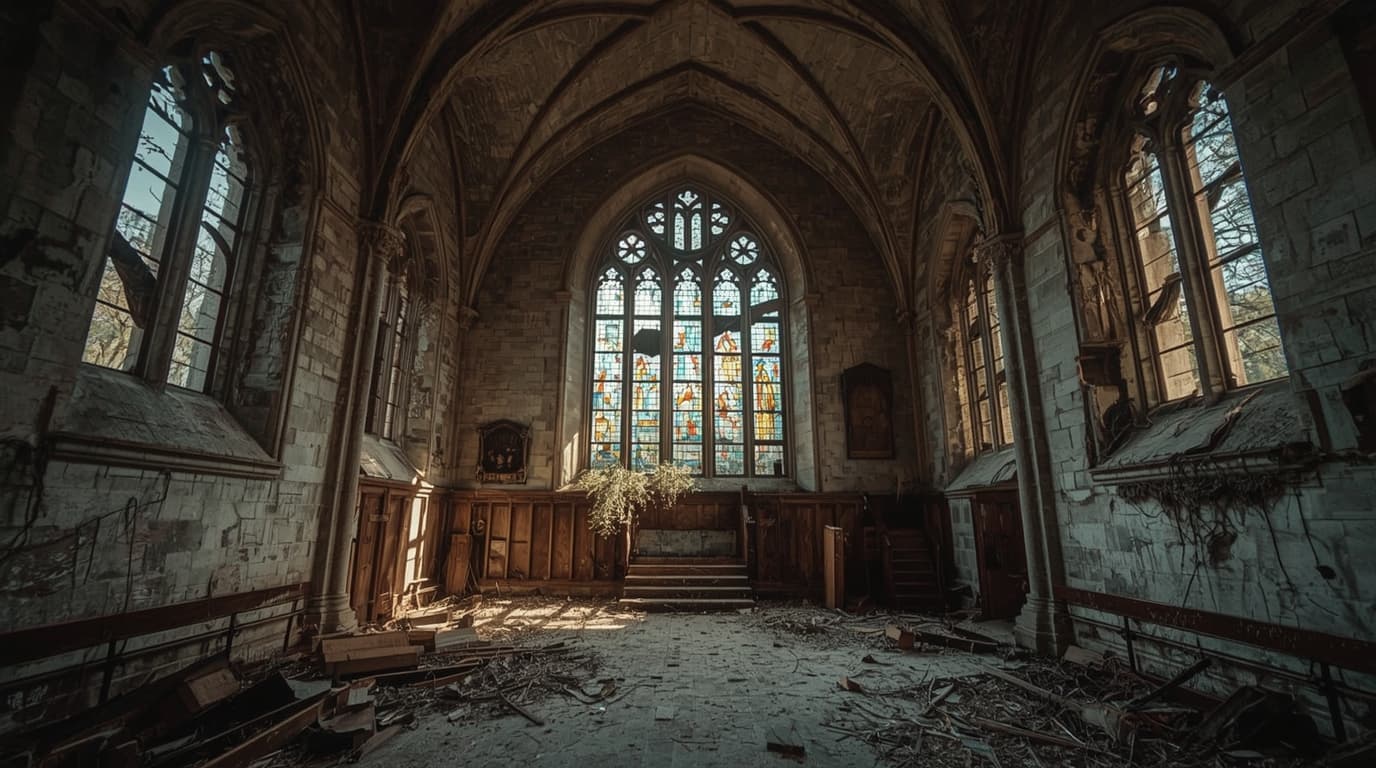
Where can you do urbex in Le Havre?
Le Havre urbex is mainly centered on former port edges, disused industrial plots, warehouses, workshops, and transition zones around the wider harbor city. Exact site status changes often because of redevelopment, fencing, and security controls, so the most reliable approach is to use verified mapping rather than random public coordinates.
Quick summary
- Le Havre is best known for port-related and industrial urbex rather than manor houses or rural ruins.
- Many places that look abandoned are still active logistics, storage, or private commercial sites.
- Public lists age badly because demolition, sealing, and redevelopment are frequent.
- Responsible urbex in Le Havre means no forced access, no theft, no damage, and no location leaking.
- Verified maps save time because they filter out fake, duplicated, or outdated spots.
- Coastal weather, unstable structures, and industrial hazards matter as much as navigation.
Quick facts
| Topic | What to know |
|---|---|
| Best-known urbex profile | Abandoned port and industrial environments |
| Common site types | Warehouses, workshops, depots, edge-zone factories, service buildings |
| Main challenge | Many areas are private, active, fenced, or monitored |
| Best planning method | Verified listings, legal awareness, daylight scouting |
| Key risks | Structural collapse, broken flooring, asbestos, water edges, security zones |
| Best fit for beginners | Only lower-risk, clearly accessible, non-sensitive places |
Why is Le Havre interesting for port and industrial urbex?
Le Havre is interesting for urbex because its identity is tied to maritime trade, heavy logistics, reconstruction, and large industrial belts. That combination creates a cityscape of docks, storage buildings, rail-side infrastructure, workshops, and service compounds where use can decline, shift, or disappear over time.
For photographers, this often means big volumes, raw concrete, rusted steel, repetitive lines, and weathered surfaces. The visual language is different from palace or hospital urbex. It is harsher, more functional, and often more exposed.
It also explains why searches for friches portuaires Le Havre and friches industrielles Le Havre are so common. People are usually looking for vast spaces with maritime or industrial character, not small isolated ruins.
The important nuance is that industrial atmosphere does not automatically mean abandonment. In Le Havre, active and inactive zones can sit very close to each other. That is why a verified source matters.
What kinds of abandoned places can still be found around Le Havre?
Around Le Havre, the most plausible urbex categories are disused industrial buildings, old warehouses, former workshops, utility structures, smaller service premises, and transitional edge sites awaiting redevelopment or demolition.
In practice, the city and its surroundings may include:
- former storage halls
- disused workshop buildings
- old depots and maintenance structures
- industrial offices left empty after relocation
- peripheral factories in decline
- abandoned places in Le Havre linked to transport or port support activity
What you should expect less often is the postcard version of urbex. Le Havre is not mainly about ornate castles or grand sanatoriums. Its strength is the atmosphere of labor, cargo, weather, concrete, and infrastructure.
This also means site quality varies a lot. Some places are visually strong but inaccessible or unsafe. Others are modest in appearance but valuable for texture, history, or photographic composition.
How can you find verified urbex spots in Le Havre?
The best way to find urbex spots in Le Havre is to avoid recycled lists and use a source that checks whether a place is still there, still relevant, and still worth your time. Verification matters more in port cities because closures and redevelopment move quickly.
A useful process looks like this:
- Start with a curated map, not social media rumors.
- Check the type of site you want: port, industrial, office, religious, or transport-related.
- Review risk level, recent status, and surrounding context.
- Plan only daylight observation from lawful access points unless you have permission.
- Never assume a site is abandoned just because it looks empty.
If you want a broader overview first, Browse all urbex maps gives you the main MapUrbex entry point. If you want to understand why many lists are unreliable, read Why Most Urbex Lists Are Fake, and How to Find Real Places.
For people comparing local searches, Abandoned Places Near Me in 2026: How to Find Verified Urbex Spots Safely explains the difference between generic search results and verified data.
What legal and safety issues matter most for urbex Le Havre?
The main issues in urbex Le Havre are private property, port security, unstable structures, and industrial contamination. In a harbor city, legal and physical risk can both rise quickly.
A few points matter more here than in many inland towns:
- Port-adjacent zones may be sensitive, monitored, or operational.
- Empty-looking compounds can still belong to active businesses.
- Floors, roofs, stairwells, and catwalks may be weakened by corrosion.
- Coastal wind and rain can make access routes slippery and dangerous.
- Old industrial materials may include asbestos, oils, sharp metal, or broken glass.
- Water edges, pits, and rail areas add extra hazard.
The responsible rule is simple: never force entry, never climb unstable structures for photos, never cross barriers, and never publish exact access details publicly. Preservation-first urbex protects both places and people.
When is the best time to plan an outing to abandoned port and industrial sites in Le Havre?
The best time to plan is during stable daylight, ideally in dry weather and with enough time for calm observation. Le Havre's coastal conditions make timing more important than many beginners expect.
Morning or late afternoon often works best for photography because it improves contrast on metal, concrete, and broken surfaces. At the same time, those periods still offer enough visibility to assess hazards.
Avoid high wind, heavy rain, and low-light improvisation. In industrial environments, poor footing is often a greater risk than dramatic collapse. If a site looks flooded, recently damaged, or freshly sealed, treat that as a stop signal.
For beginners, solo exploration is a poor idea. Even when staying outside barriers and acting lawfully, remote edge zones can be confusing and slow to navigate.
How does MapUrbex help you explore Le Havre more responsibly?
MapUrbex helps by reducing guesswork. Instead of chasing viral coordinates, you can focus on verified locations, category-based research, and practical preparation.
That matters in Le Havre because the city's urbex value is concentrated in changing industrial landscapes. A random list may send you to a demolished site, an active company compound, or a fenced logistics area. A curated map is more efficient and more responsible.
MapUrbex is also designed for preservation-first users. The goal is not to expose fragile places. The goal is to help people research better, avoid fake spots, and plan with legal and safety awareness.
If your interest extends beyond factories, Abandoned Hotels and Casinos: The Most Beautiful Luxury Urbex Spots shows how different abandoned categories produce very different exploration strategies.
FAQ
Is urbex legal in Le Havre?
No general urbex exception exists in Le Havre. If a site is on private property, fenced, restricted, or clearly closed to the public, entering without authorization can be illegal. Always prioritize permission, public viewpoints, and lawful access.
Are abandoned port sites in Le Havre easy to access?
No, many are not. Port-related areas often have stricter security, active operations nearby, or rapid redevelopment. They may look empty from outside while remaining controlled spaces.
Should you trust coordinates shared on social media?
Usually not. Social posts often recycle old information, copy other lists, or omit legal and safety context. In Le Havre, that problem is amplified because industrial sites change status quickly.
What is the best type of Le Havre urbex for beginners?
The best option is a lower-risk, clearly documented place with simple surroundings and no sensitive industrial context. Beginners should avoid high structures, waterfront edges, sealed buildings, and security-heavy zones.
Why do verified maps matter more in cities like Le Havre?
Verified maps matter more because port and industrial districts evolve quickly. A spot can be demolished, repurposed, fenced, or monitored within a short time. Current verification saves wasted trips and reduces risky decisions.
Conclusion
Urbex Le Havre is best understood as a search for abandoned port and industrial environments, not as a hunt for random viral ruins. The city's appeal comes from scale, atmosphere, and maritime-industrial history, but those same qualities create fast-changing legal and safety conditions.
If you want to explore this area seriously, use verified information, respect property and preservation rules, and avoid outdated public lists.
Access the free urbex map
