 MapUrbex
A practical guide to urbex in Brittany, with verified planning advice for abandoned manors, factories, ghost villages and folklore-rich sites.
Urbex in Brittany: Guide to Abandoned Manors, Factories and Ghost Villages
Brittany is one of the most varied regions in France for urbex. In a relatively compact area, you can find abandoned manor houses, former industrial sites, isolated farms, chapels, military remnants and small settlements shaped by depopulation.
The region also carries a powerful folklore image. Searches for cursed places in Brittany and Celtic legends often overlap with urbex, but useful planning starts with facts: site status, legal access, weather exposure and preservation. That is where verified mapping matters most.
What is urbex in Brittany?
Urbex in Brittany usually refers to the exploration of disused manors, factories, farms, religious buildings and occasional ghost villages across the Breton departments. The region stands out because maritime history, rural isolation and local folklore meet in the same landscape. In practice, the safest approach is to use verified locations, respect property rights and avoid rumor-based coordinates.
Quick summary
- Brittany is known for abandoned manors, factories, military remains and scattered rural ruins.
- The strongest appeal comes from variety: coast, inland villages, forests and former industrial zones.
- Searches for cursed places often point to folklore, not confirmed paranormal evidence.
- Tides, rain, unstable floors and remote terrain are major risk factors in the region.
- Responsible urbex means no trespassing, no forced entry and no damage.
- MapUrbex focuses on curated, preservation-first locations rather than random pins.
Quick facts
| Aspect | What to know |
|---|---|
| Most searched site types | Abandoned manors, factories, ghost villages, chapels, bunkers |
| Regional identity | Maritime heritage, granite architecture, rural isolation, Breton folklore |
| Main practical risks | Structural instability, moisture, slippery floors, tides, private land |
| Best planning method | Verified and curated maps instead of copied coordinates |
| Useful starting points | Browse all urbex maps, Bretagne Urbex Map 2026, Top 50 Abandoned Places in Brittany: Verified Urbex Guide |
Why is Brittany one of the most distinctive regions for urbex in France?
Brittany is distinctive because several abandoned landscapes coexist there. You can move from a forgotten manor to a deindustrialized site, then to a coastal military structure, all within the same regional trip.
This diversity comes from the region's history. Brittany has aristocratic rural estates, fishing and maritime infrastructure, religious heritage, rail and industrial remnants, and villages affected by economic change. Architecture also matters. Granite walls, slate roofs and weather exposure give many Breton sites a strong visual identity that photographs very differently from inland France.
Another reason is density of atmosphere. Mist, sea wind, moorland and woodland settings reinforce the feeling of abandonment. That does not make every place mysterious, but it does explain why Brittany appears so often in searches for abandoned places, haunted ruins and visually striking exploration spots.
Which abandoned places define urbex in Brittany?
The main categories are abandoned manors, factories and ghost villages, but the region is broader than those three labels. Brittany offers a mixed inventory rather than one dominant site type.
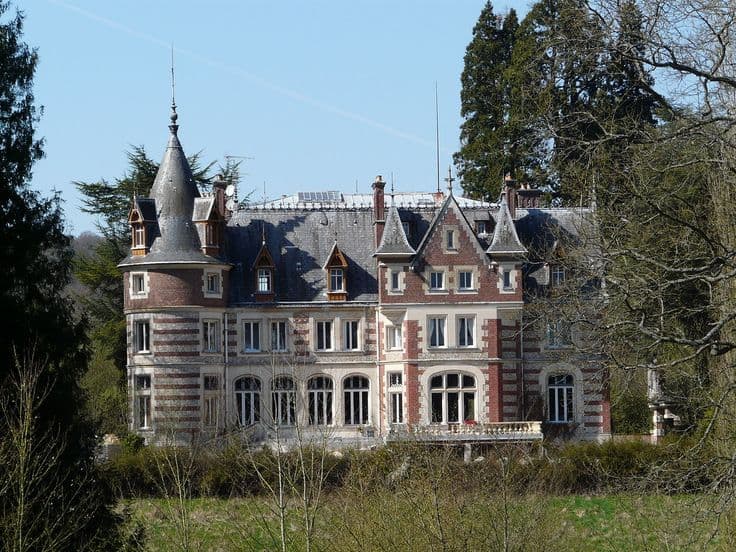
Abandoned manors are among the most searched locations because they combine architecture, social history and photogenic decay. Many are hidden in wooded estates or isolated countryside. They often look accessible from outside but are structurally fragile inside.
Abandoned factories in Brittany tend to be smaller and more dispersed than the giant industrial complexes found elsewhere in Europe. They include workshops, agro-industrial sites, warehouses and local production facilities. Their interest is often historical rather than monumental.
Ghost villages in Brittany are usually small hamlets, partial ruins or depopulated settlements rather than entire cinematic towns. In many cases, the appeal comes from silence, overgrown lanes and a sense of interrupted daily life.
You will also find:
- abandoned farms and agricultural buildings
- chapels, schools and small civic buildings
- coastal bunkers and military remnants
- empty hotels, sanatoriums or boarding facilities in select areas
- ruins marketed online as cursed places in Brittany
The last category needs caution. A site described as cursed is often simply a ruin with a local story, an accident in its history or a folklore association added later by social media.
How do cursed places and Celtic legends shape the experience?
Cursed places and Celtic legends shape the imagery of urbex in Brittany more than they shape the facts of access. They add narrative value, but they do not replace verification.
Breton folklore is rich and persistent. Stories around the Ankou, korrigans, the drowned city of Ys and other local figures still influence how ruins are described online. A ruined chapel, a cliffside structure or an isolated manor is quickly framed as haunted or forbidden, especially when no clear history is available.
For readers and explorers, the key distinction is simple. Folklore is cultural context. It can explain why a place attracts attention, but it is not evidence about ownership, safety or legality. If a location is promoted mainly through legends, verify even more carefully before planning any visit.
This is also why the phrase Celtic legends urbex works as a content angle but should not be your main planning method. Good exploration decisions come from site condition, land status, local restrictions and route preparation.
How can you explore Brittany responsibly and legally?
Responsible urbex in Brittany means preservation-first behavior, legal caution and realistic safety planning. The region rewards preparation and punishes improvisation.
Start with access status. Many of the most attractive ruins are on private land. No map or article removes the need to respect ownership. Do not trespass, do not force an entry point and do not treat an open door or broken fence as permission.
Then plan for environmental conditions. Brittany's weather changes fast. Wind, rain and humidity affect footing, visibility and structural stability. On the coast, tides matter just as much as architecture. Some approaches can become dangerous or impossible within a short time.
Finally, think preservation. Do not move objects for photos, do not remove artifacts and do not publish sensitive details that could accelerate vandalism. Responsible urbex protects places by reducing impact.
Safety reminder: never force access, never enter a visibly unstable structure and never ignore private property, tides or storm conditions. Verified information reduces risk, but it does not remove it.
Where should beginners start if they want verified spots?
Beginners should start with verified, curated tools rather than with random social media coordinates. That saves time and usually avoids the most misleading rumors.
A useful first step is to compare regional resources and focus on site type. If you are mainly interested in manor houses, filter for architectural ruins. If you prefer industrial spaces, prioritize former workshops and depots. If you want atmosphere, look for rural ruins and partial ghost villages.
For structured planning, use Browse all urbex maps, check the regional overview in Bretagne Urbex Map 2026, and compare broader selections through Top 50 Abandoned Places in Brittany: Verified Urbex Guide. These resources are more practical than rumor threads because they are curated around verification and route logic.
FAQ
Is Brittany good for beginner urbex?
Yes, Brittany can suit beginners if they stay selective. The variety of easy-to-understand site types is a strength, but beginners should avoid coastal risk, unstable floors and isolated properties without clear status.
Are abandoned manors in Brittany easier to find than factories?
Online, manor houses are more visible because they photograph well and carry stronger stories. In reality, both categories exist, but factories are often less obvious, more altered or still partially in use.
Are ghost villages in Brittany real?
Yes, but the term is often exaggerated. In Brittany, it more commonly refers to hamlets, partially deserted settlements or clusters of ruins rather than a fully intact empty town.
Should you visit places described as cursed?
Only if the site is legal to access and safely documented. The label cursed usually reflects folklore, local reputation or online storytelling, not a practical assessment of the location.
What makes Brittany different from other French urbex regions?
The main difference is the combination of maritime heritage, rural stone architecture, military history and strong local folklore. Few French regions present that mix so consistently.
Conclusion
Urbex in Brittany is defined by diversity more than by one iconic ruin type. Manor houses, factories, hamlets, chapels and coastal remains all contribute to the region's appeal. The folklore around cursed places and Celtic legends adds interest, but good planning still depends on verification, legality and preservation.
If you want a reliable starting point, use curated resources instead of copied coordinates. That approach is better for safety, more useful for route building and more respectful of the places themselves.
Access the free urbex map
