 MapUrbex
A practical guide to urbex in Belgium: regions, common site types, legal and safety basics, and how to plan responsible visits with verified maps.
Urbex Belgium: Responsible Guide to Abandoned Places and Urban Exploration
Urbex Belgium attracts photographers, architecture lovers, and local-history enthusiasts because the country concentrates many different site types in a small area. Former factories, military structures, villas, castles, schools, and hospitals can all appear within a relatively short drive.
That appeal comes with limits. Many abandoned places in Belgium are privately owned, structurally unstable, or under redevelopment. A useful urbex guide Belgium should begin with legality, safety, and preservation rather than with hype.
MapUrbex focuses on verified locations, curated maps, and responsible urbex planning. The goal is to help people document places carefully without promoting trespass, forced entry, or damage.
What is the best way to do urbex in Belgium responsibly?
The best way to approach urbex Belgium is to verify a location's current status, respect ownership, avoid illegal entry, and choose low-risk places with clear conditions. Responsible urban exploration Belgium means no forced access, no vandalism, no removal of objects, and no sharing of sensitive coordinates that could accelerate damage.
Quick summary
- Belgium is one of Europe's most concentrated urbex destinations because industrial, military, residential, and institutional sites are relatively close together.
- The best abandoned places in Belgium are not always the most famous ones; recent verification matters more than viral reputation.
- Wallonia is often associated with industrial heritage, while Flanders and the Brussels area add military, transport, religious, and residential sites.
- Belgian weather speeds up decay, so a location can become much more dangerous within a short period.
- A strong urbex guide Belgium should prioritize legality, structural caution, and preservation-first behavior.
- MapUrbex is built for verified planning, not for reckless exploration.
Quick facts
- Country: Belgium
- Primary keyword focus: urbex Belgium
- Common site types: factories, hospitals, castles, villas, forts, schools, farms
- Main risks: private property, weak floors, water damage, glass, sharp metal, surveillance
- Best use of maps: route planning, regional filtering, current-status checking, responsible research
- Best mindset: document carefully, leave no trace, and never force entry
Why is Belgium a major destination for urban exploration?
Belgium is a major destination for urban exploration because it combines dense infrastructure, long industrial history, and short travel distances. In one weekend, explorers can move from former industrial belts to rural mansions, empty religious buildings, or disused infrastructure.
The country's visual range is unusually broad for its size. Former mining regions, steel-related facilities, forts, decaying chateaus, schools, and modern institutional buildings all coexist within a compact geography. That makes urban exploration Belgium especially attractive to photographers who want different architectural styles without crossing very long distances.
Another reason is speed of change. Some abandoned places in Belgium are demolished, secured, repurposed, or cleaned out quickly. Because turnover is high, verified information is more useful than old forum posts or recycled social media lists.
Which abandoned places are most common in Belgium?
The most common abandoned places in Belgium are factories, hospitals, castles, military sites, farms, schools, and transport-related structures. Industrial heritage is especially visible, but the Belgian scene is more varied than many beginners expect.
| Site type | Where it often appears | Why people document it | Main caution |
|---|---|---|---|
| Factories and workshops | Wallonia and older industrial belts | Machinery, scale, textures | Weak floors, asbestos, sharp metal |
| Hospitals and care institutions | Urban fringes and regional towns | Atmosphere, corridors, medical architecture | Contamination, unstable interiors |
| Castles and villas | Rural areas and outskirts | Decorative details, staircases, facades | Private estates, hidden collapse |
| Military sites and forts | Historic defense zones | Concrete structures, tunnels, layered history | Darkness, water, restricted areas |
| Farms and manors | Countryside | Everyday heritage, quiet decay | Fragile roofs, nearby residents |
| Stations and transport sites | Former logistics and rail areas | Industrial design, platforms, infrastructure | Active rail danger, surveillance |
For broader regional coverage, see Belgium Urbex Map: Best Abandoned Places and Responsible Exploration Guide and Urbex Belgium: Top 30 Abandoned Factories and Hospitals to Explore.
How should you plan an urbex trip in Belgium?
A good urbex trip in Belgium starts with verification. Do not assume that a site shown in an old video, archived thread, or reposted pin is still abandoned, still standing, or still safe.
Plan around five checks:
- Current status: Is the place still intact, or has it been demolished or redeveloped?
- Ownership and access: Is it private, municipal, industrial, fenced, or monitored?
- Structural risk: Are there broken stairs, roof failures, wet floors, shafts, or unstable ceilings?
- Context: Is the site isolated, near homes, or inside an active logistics or rail zone?
- Exit options: Can you leave safely without climbing, crossing tracks, or entering hazardous ground?
Belgium's climate also matters. Rain, moisture, moss, and rot can make the same corridor or staircase much riskier than it looks in photos. Winter often improves outdoor visibility, while spring and summer can hide holes and debris under vegetation.
If you want a starting point for route planning, Browse all urbex maps or review Belgium Urbex Map: 20 Places to Explore Around Brussels, Liège and Antwerp (2026 Guide).
What legal and safety rules matter most in Belgium?
The most important rule is simple: abandonment does not equal permission. Many abandoned places in Belgium are on private land, still insured, monitored, or awaiting redevelopment.
Responsible exploration should follow these principles:
- Do not trespass.
- Do not force doors, windows, fences, or boards.
- Do not take objects.
- Do not post sensitive coordinates publicly.
- Do not enter active rail, tunnel, or industrial zones.
- Do not explore alone in unstable buildings.
- Leave immediately if you encounter residents, workers, or security.
The biggest physical risks are falls, rotten floors, nails, broken glass, water damage, and poor air quality. Equipment can help, but it does not remove structural danger. If a building looks compromised, the correct decision is not to enter.
Which Belgian regions are most associated with urbex?
The main Belgian urbex regions are usually discussed as Wallonia, Flanders, and the Brussels area. Each has a different profile.
Wallonia is strongly linked to former industrial landscapes. Mines, steel-related infrastructure, workshops, hospitals, and large institutional sites are common in this part of the country.
Flanders often combines rural properties, military remnants, transport sites, religious buildings, and residential abandonments. Density is high, but access conditions can be sensitive because many areas are managed closely or are near active redevelopment.
Brussels and its periphery offer a smaller but important cluster of institutional, residential, and infrastructure locations. Urban density also means more surveillance and less margin for mistakes.
This regional mix is why a curated map is usually more useful than a generic list of abandoned places in Belgium. Site type, access context, and recent verification matter as much as geography.
How does MapUrbex help you explore Belgium more responsibly?
MapUrbex helps by organizing verified locations into curated maps built for responsible urbex. The purpose is not to push visitors toward reckless behavior, but to give them better context before they decide whether a site is relevant, current, or too sensitive.
In practice, that means three advantages:
- Better filtering: focus on regions and site categories instead of unreliable rumors.
- Less outdated information: reduce dependence on years-old lists that no longer reflect reality.
- More preservation-first planning: avoid random exposure of fragile locations.
If you want a broad starting point, Access the free urbex map. For a larger database, Browse all urbex maps.
Frequently asked questions
Is urbex legal in Belgium?
Urbex is not a legal exemption. In Belgium, the key issue is access. If a site is private, closed, fenced, or restricted, entering without permission can be illegal. Always treat ownership and posted warnings as decisive.
What should you bring for urban exploration in Belgium?
Bring a charged phone, flashlight, backup light, sturdy footwear, water, and basic first-aid items. Keep equipment compact. The most important tool is judgment about whether a site should be entered at all.
Are abandoned castles in Belgium easy to access?
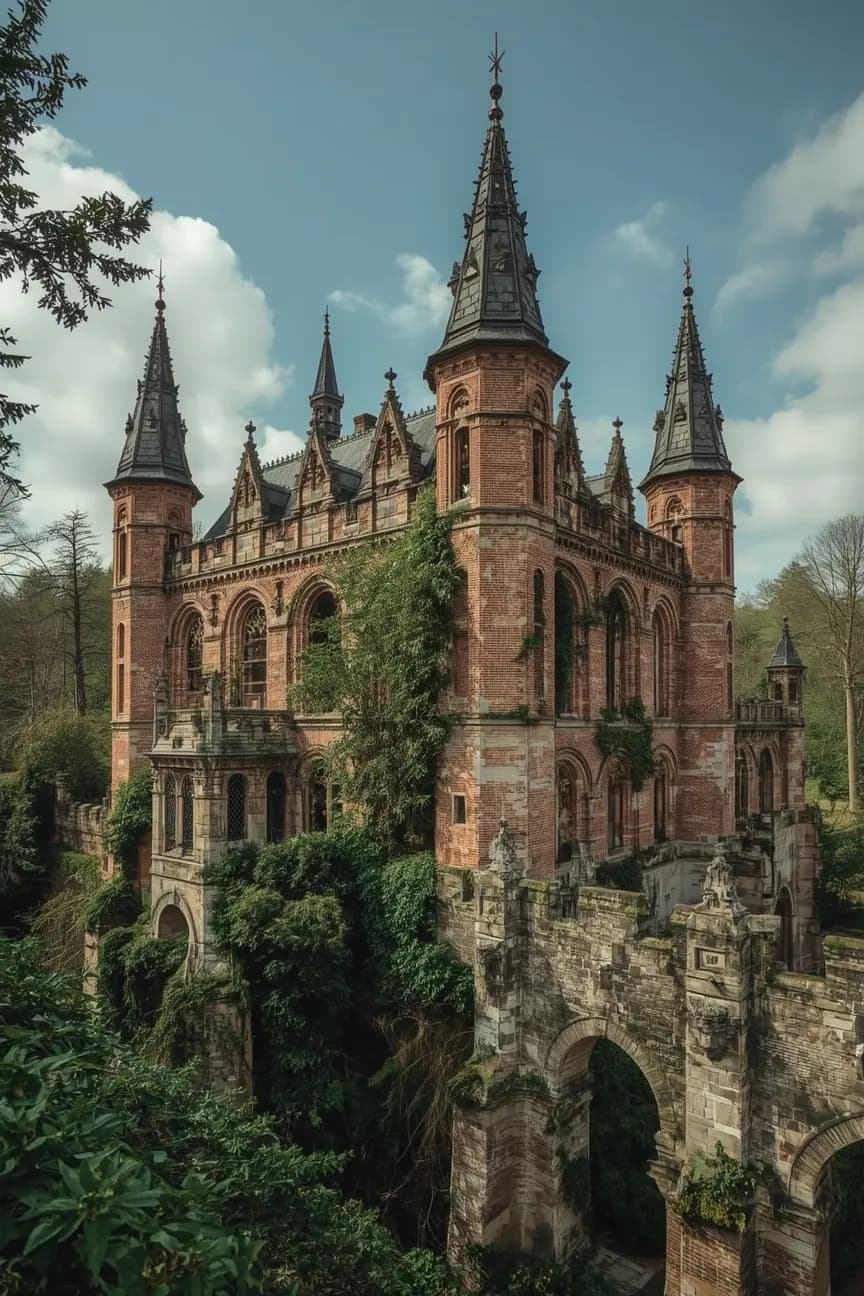
No. Many abandoned castles and villas in Belgium are on private estates, behind gates, or in visible rural settings. Interiors can also hide severe structural decay behind photogenic facades.
What is the best season for urbex in Belgium?
There is no perfect season. Autumn and winter often improve visibility around overgrown sites, while spring and summer may offer better light. However, moisture is a year-round factor in Belgium, so floor and stair safety should never be assumed.
Can beginners do urban exploration in Belgium?
Beginners should start cautiously and only with low-risk, clearly understood locations. A responsible urbex guide Belgium is more useful than a list of secret spots. Research, legality, and restraint matter more than adrenaline.
Conclusion
Urbex Belgium is compelling because the country concentrates industrial ruins, castles, institutions, and transport heritage within short travel distances. But that same density creates risk: many sites are private, unstable, or changing quickly.
The best approach to urban exploration Belgium is legal-aware, preservation-first, and based on verified information. A good visit leaves no trace, creates no extra damage, and respects the fact that not every abandoned place should be entered.
Access the free urbex map
